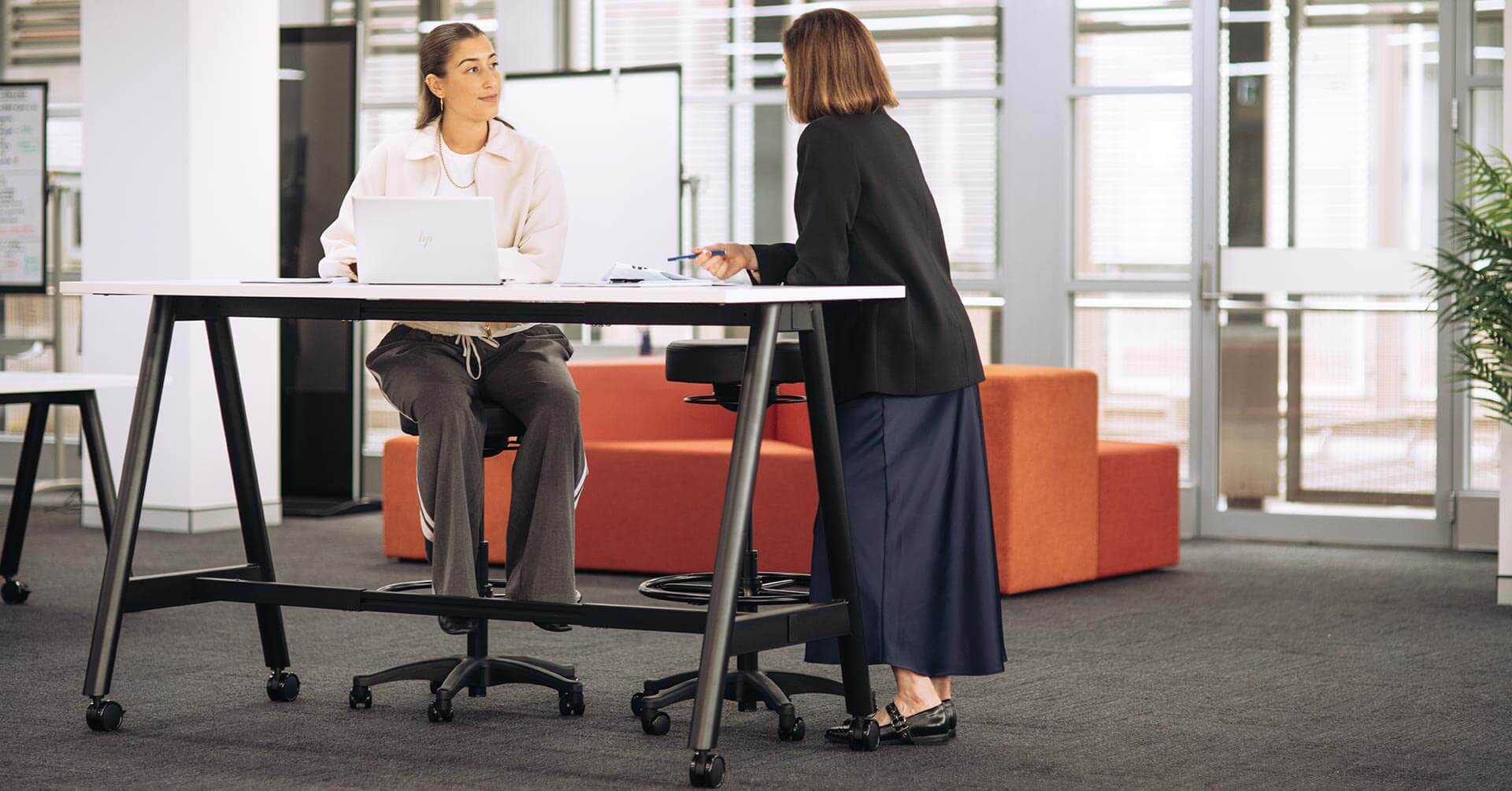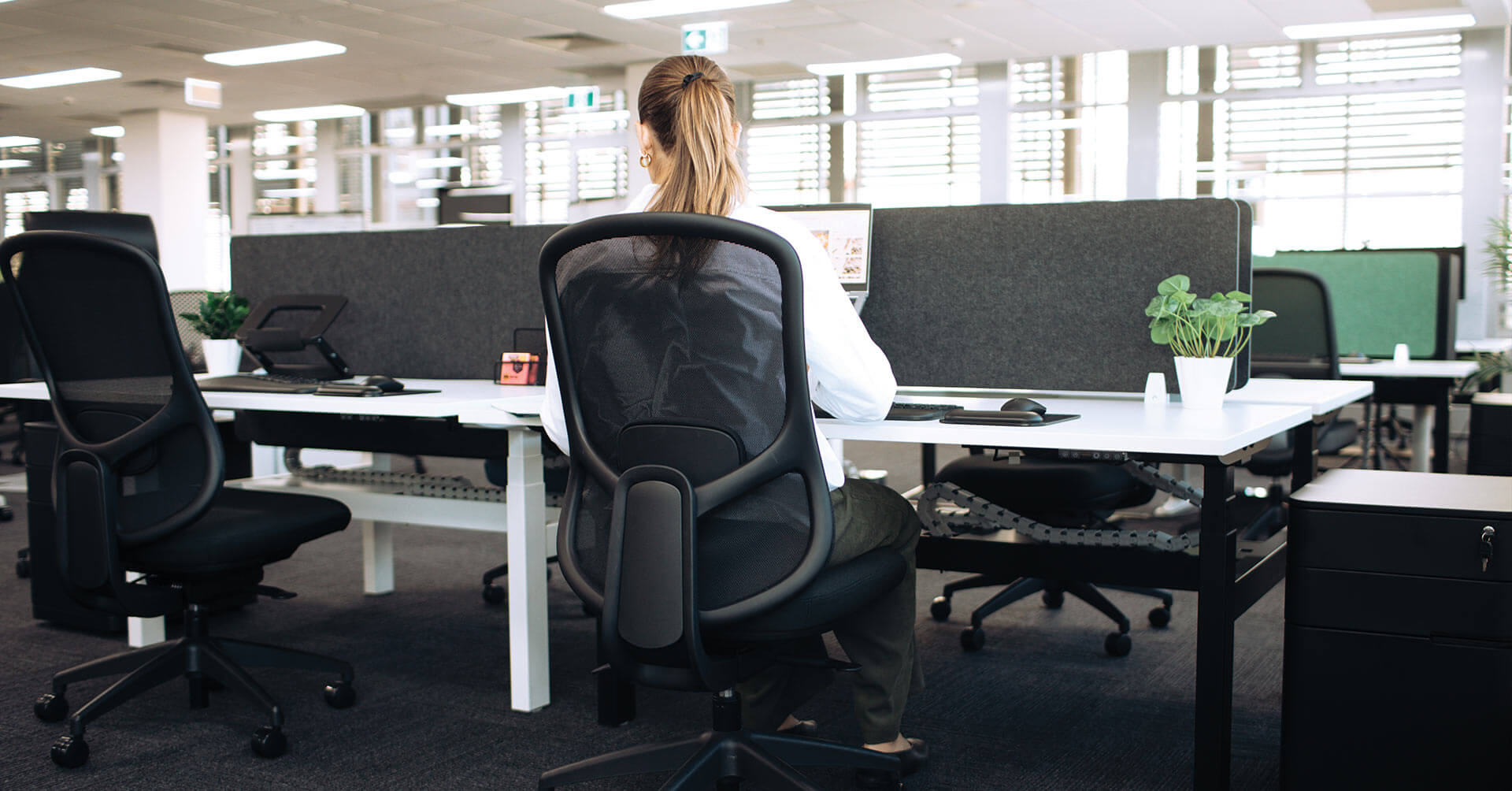
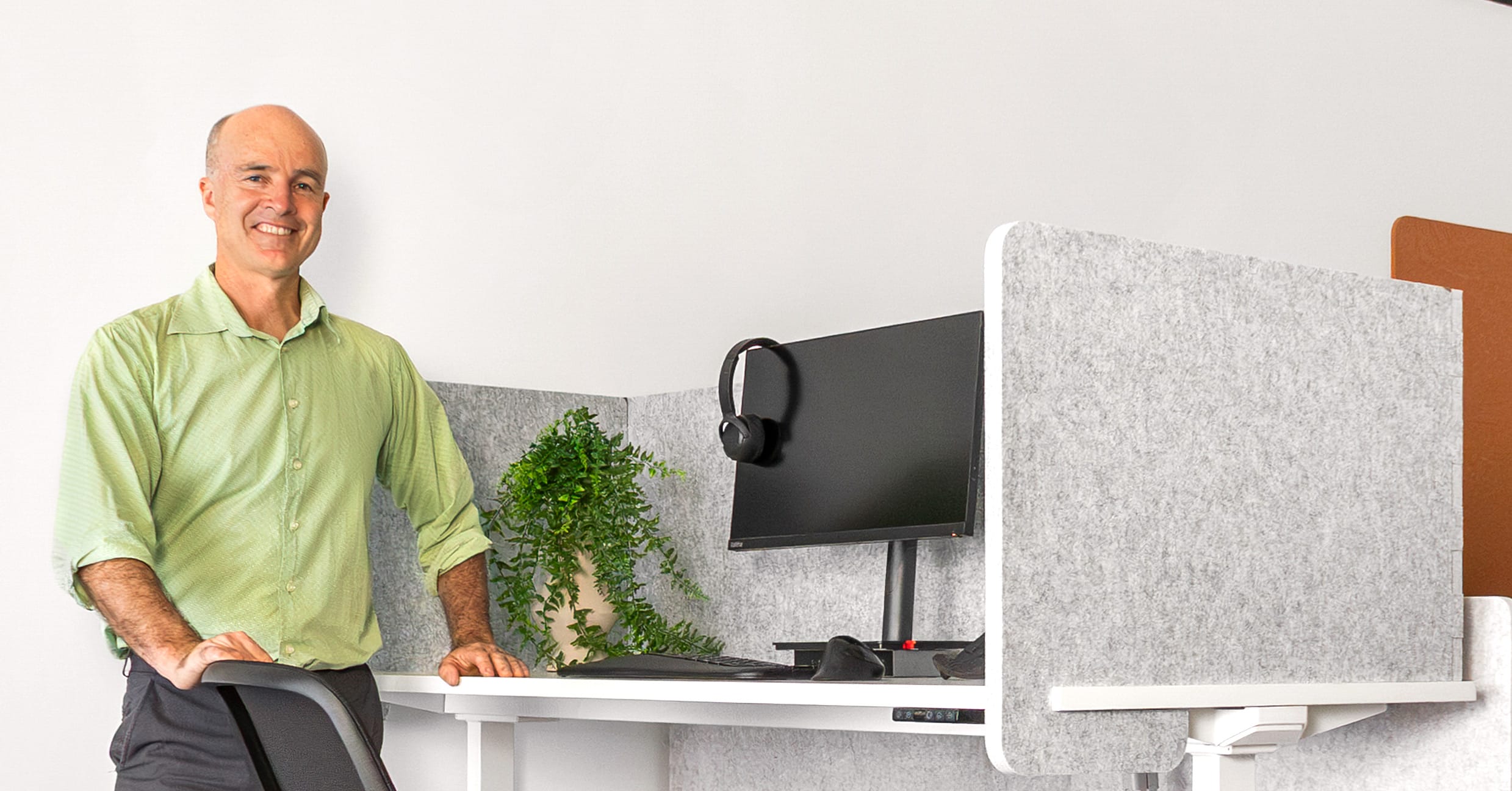
Yes, we sell ergonomic office chairs. And yes, a lot of thought, research, and testing go into creating seating options that support your body throughout the workday. But no, we don’t want you sitting all day long!
Here at Buro, we know that even the best ergonomic chair isn’t meant to hold you still for eight hours straight.
Your body needs to move. Regular movement keeps your blood circulating and your muscles engaged. It’s essential for your mental health and can even help you sleep better at night.
So we asked our go-to ergonomics expert, Occupational Physiotherapist Dave Hall, to share his insights on staying active at work. From movement cues to height-adjustable desks, here are five practical ways to break the habit of sitting at your desk for too long and bring more movement into your workday.
1. Tie movement to everyday work cues
One of the easiest ways to build a new habit is to link it to something you already do. That’s why Dave Hall suggests turning everyday work actions into prompts to stand, stretch, or move.
“Stand when a colleague calls, hold walking check‑ins, or start team meetings with a quick stretch,” he says. “Let routines become movement triggers.”
At first, you may need to remind yourself to move during these moments, but before long, those cues start to feel automatic. Over time, everyday tasks become natural prompts to move your body and shift your posture.
2. Swap typing for talking
Typing tends to encourage rounded shoulders, a forward-leaning neck, and hands fixed on the keyboard, which places significant strain on the neck and upper back.
Finding tasks where you can talk instead of type frees you from your desk, gets you moving, and gives your neck and shoulders a break.
Voice dictation is as easy as speaking into your phone, and it can be a surprisingly efficient way to draft emails, prepare for meetings, or brainstorm new ideas.
Don’t know where to begin? Dave suggests you try to:
- Walk outside while dictating a message into your phone.
- Pace around your office while drafting an email.
- Step outside for fresh air while brainstorming new ideas.
If you feel a little silly, slide on some headphones and pretend you’re leaving a message. Once you get used to moving while doing these tasks, the benefits of better circulation, clearer thinking, and a break from static posture will quickly outweigh any feelings of self-consciousness.
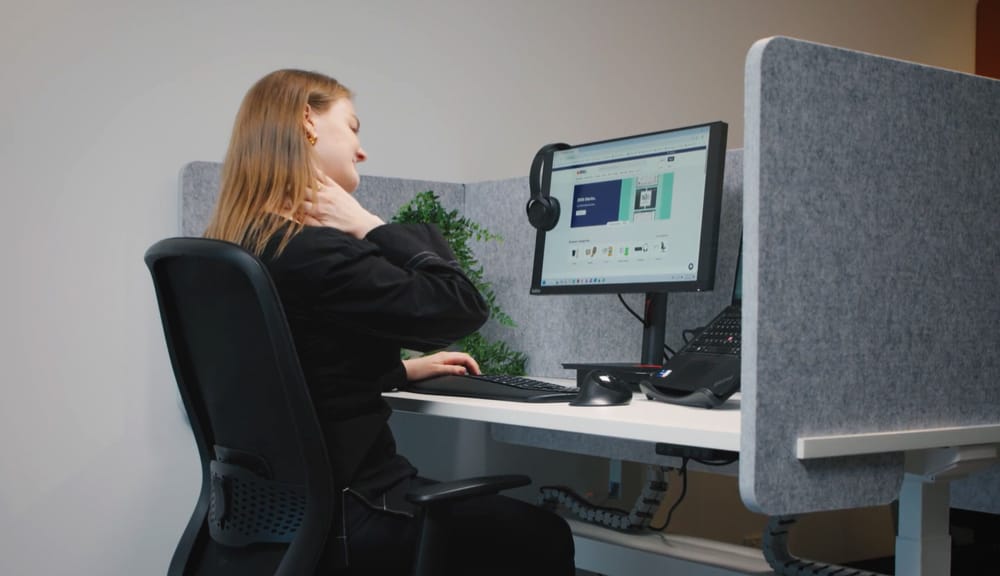
Give your neck and shoulders a break by talking instead of typing.
3. Take meetings on the move
Dave is a big believer in making meetings mobile. It’s one of the simplest ways to add movement to your day.
Meeting in person? Try a walk-and-talk around the block. If that isn’t practical, consider a quick, high-energy standing session instead. During longer discussions, encourage people to shift positions, swap seats, or take a quick break to refill their cups partway through.
For online meetings, the same idea applies. Put on your headphones and take the call while walking around your office, home, or even the block.
As a rule of thumb, Dave recommends avoiding sitting for more than about 30 minutes at a time. A quick stretch, a posture shift, or a short walk is often enough to reset your body.
4. Use reminders to build new habits
Behavioural psychology research suggests it takes around 66 days for a new habit to become automatic.
While you’re trying to get this new habit to stick, reminders can help. Set movement alerts throughout the day, just as you might set a reminder to take out the bins or leave for a hair appointment.
At first, these reminders might feel a little artificial, but most people find their body quickly begins to expect those movement breaks. Before long, you’ll naturally start to notice when it’s time to stand or stretch without needing the alert at all.
And if you love tailor-made advice, there are some excellent workplace wellbeing apps that track your movement and offer individualised advice on how to add more movement into your day.
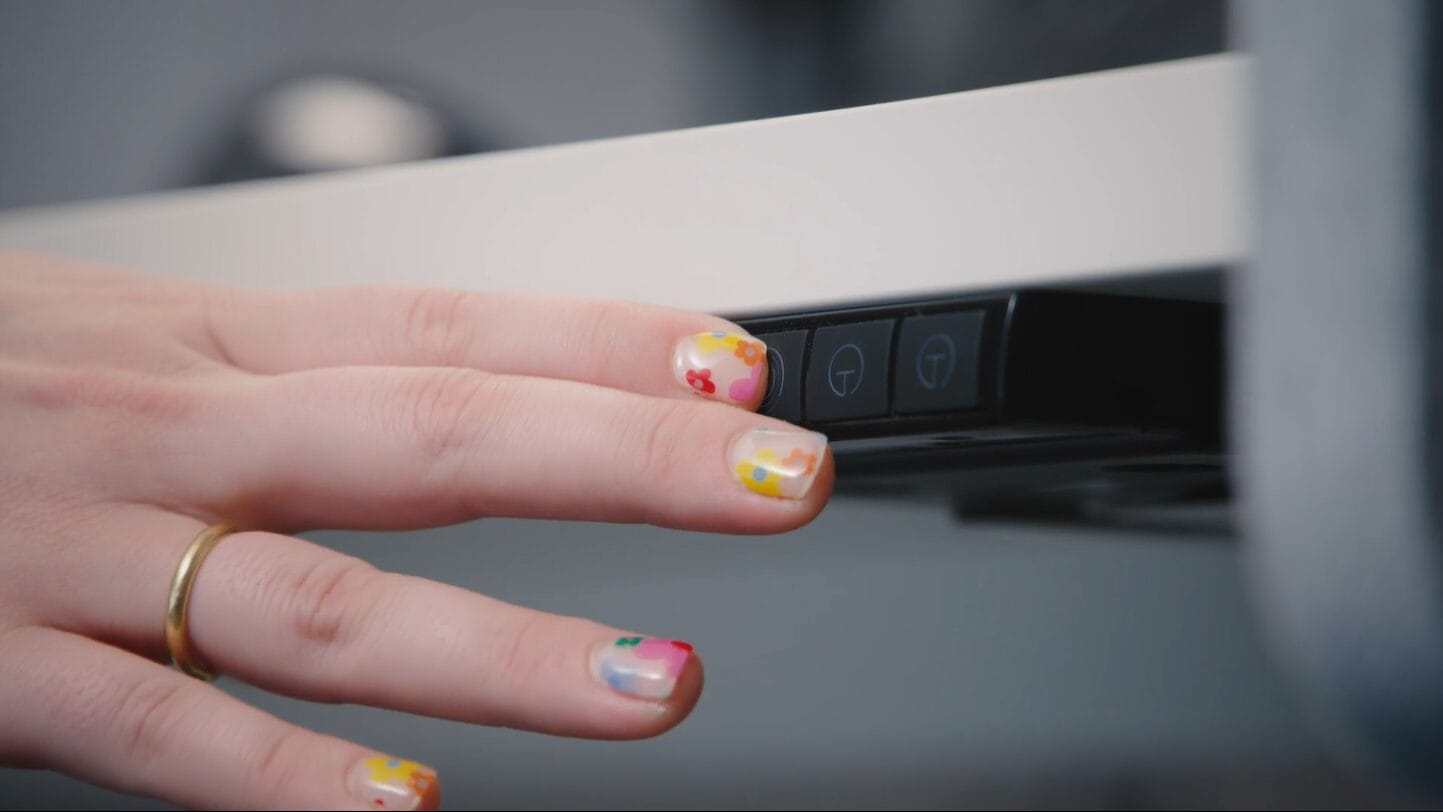
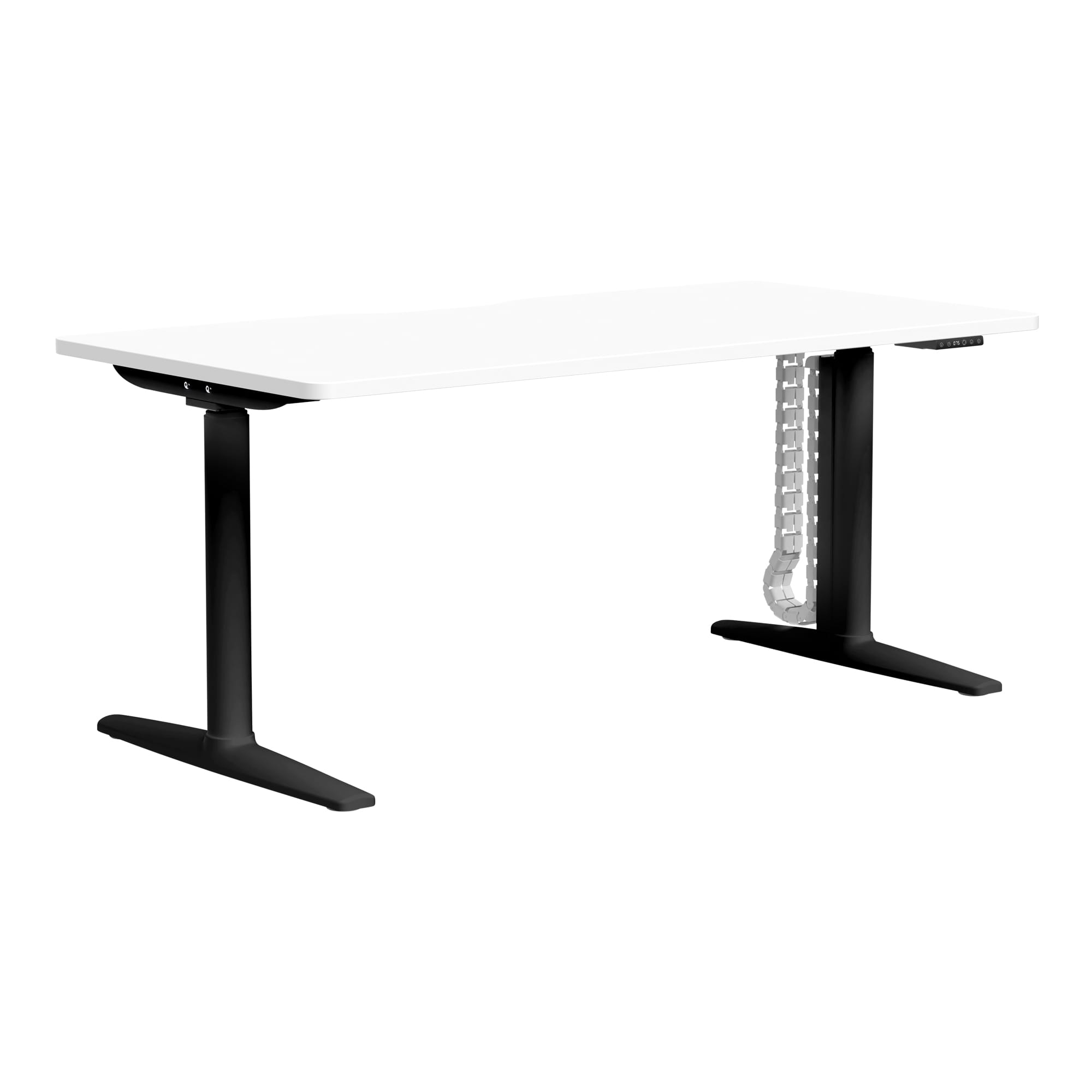
With smooth one-touch controls, the Buro Altri Height Adjustable Desk, exclusive to Winc, lets you move from sitting to standing without interrupting your workflow.
5. Use a sit-stand desk to make movement easier
The furniture you choose can either keep you static or encourage you to move. Height-adjustable desks (often called sit-stand desks) do the latter. They let you switch between sitting and standing, so you can vary your posture and avoid prolonged sitting.
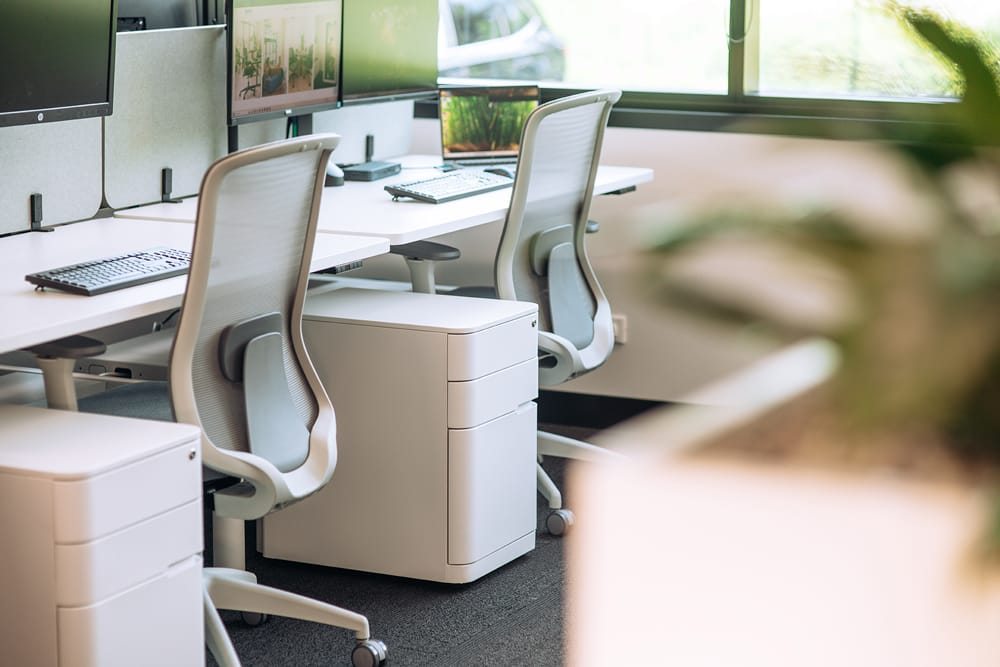
Buro Syntra Height Adjustable Desks
Buro's sit-stand desks feature built-in technology, ‘healthy spine mode’, best used while standing. When engaged, the desk makes automatic height adjustments while you work, so slowly you won’t notice, but your body will. Up 12 cm for 3 mins. Stop for 2 mins. Down 12cm in 2 mins. The cycle can be stopped at any time by pressing the healthy spine mode button. The cycle of continuous movement helps keep you moving and changing posture.
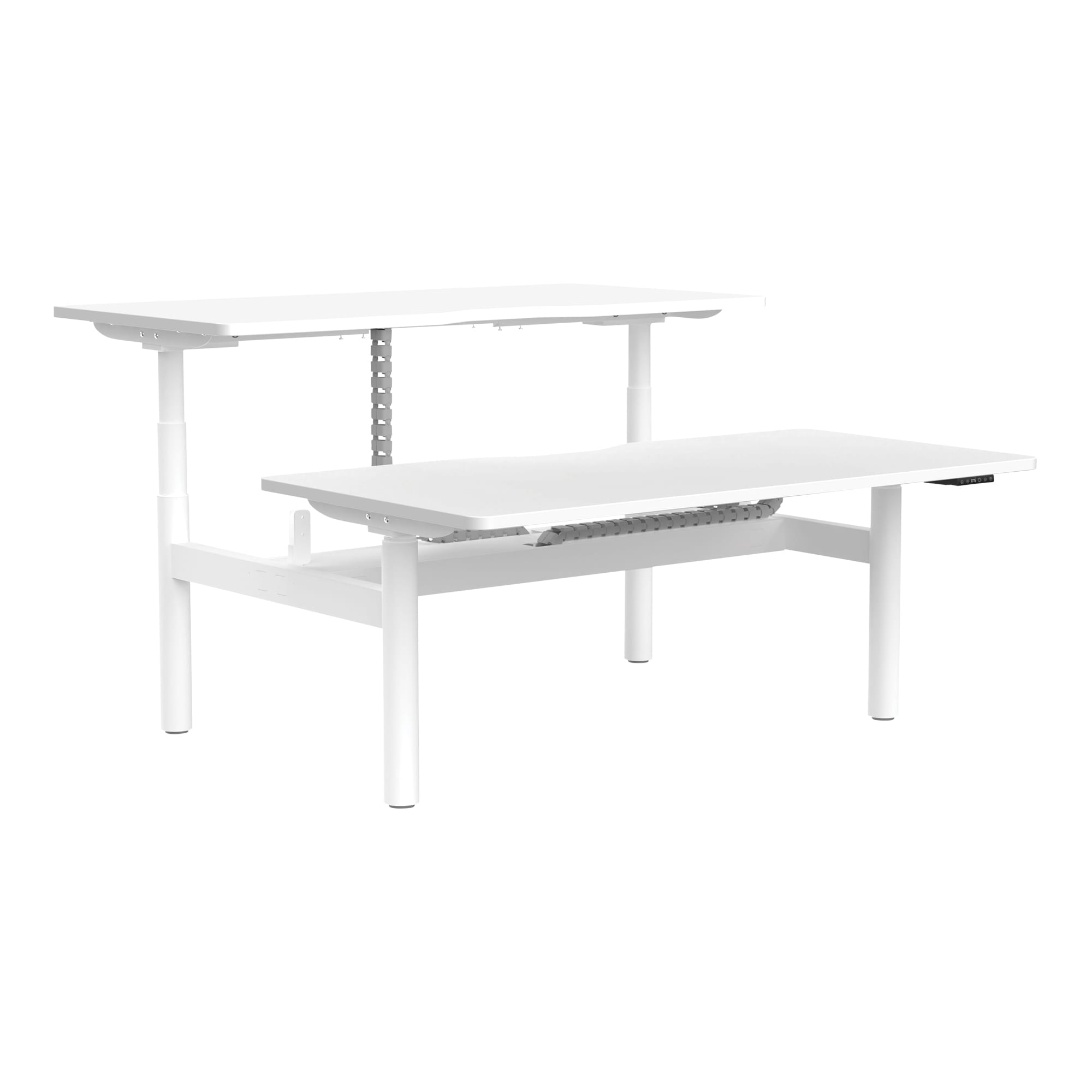
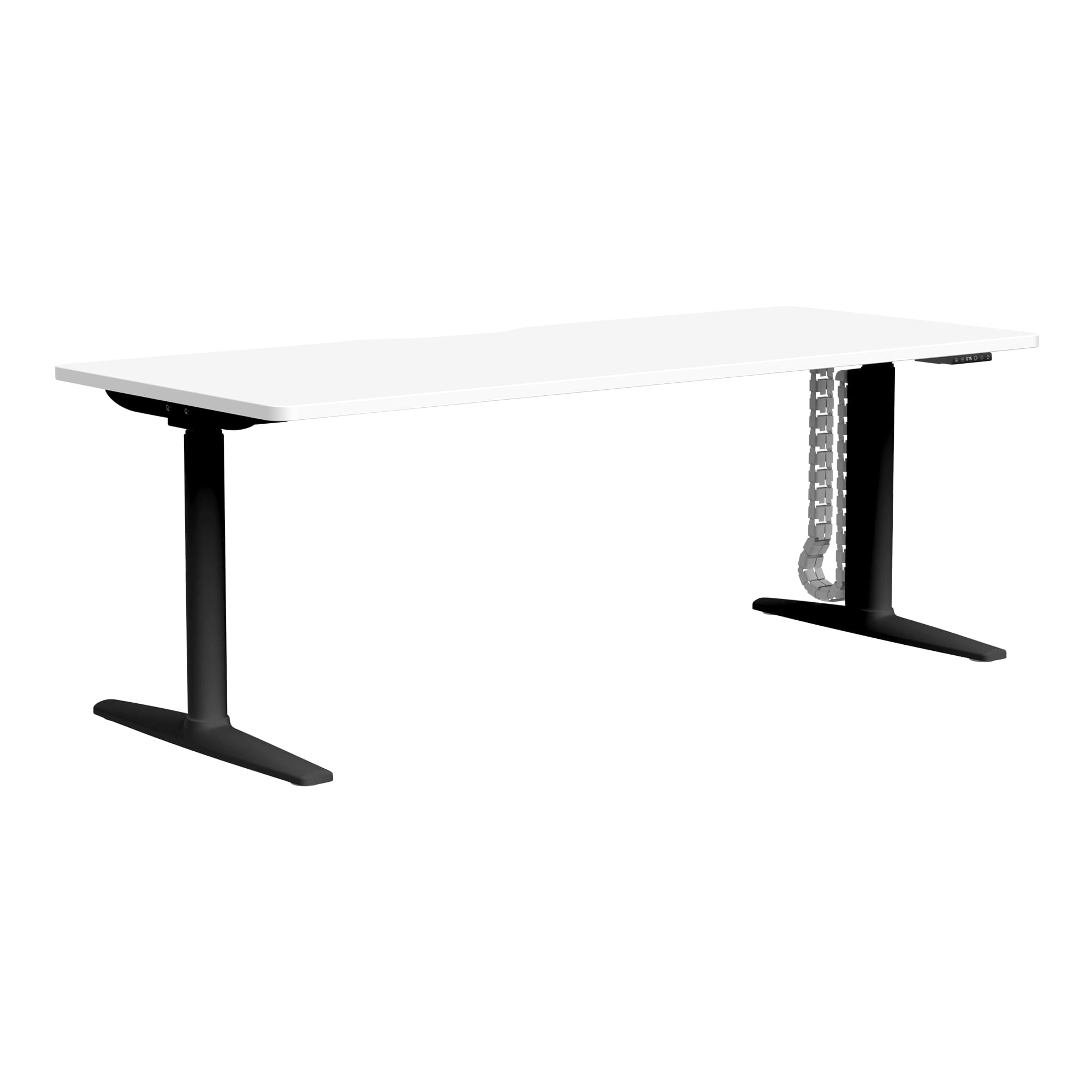
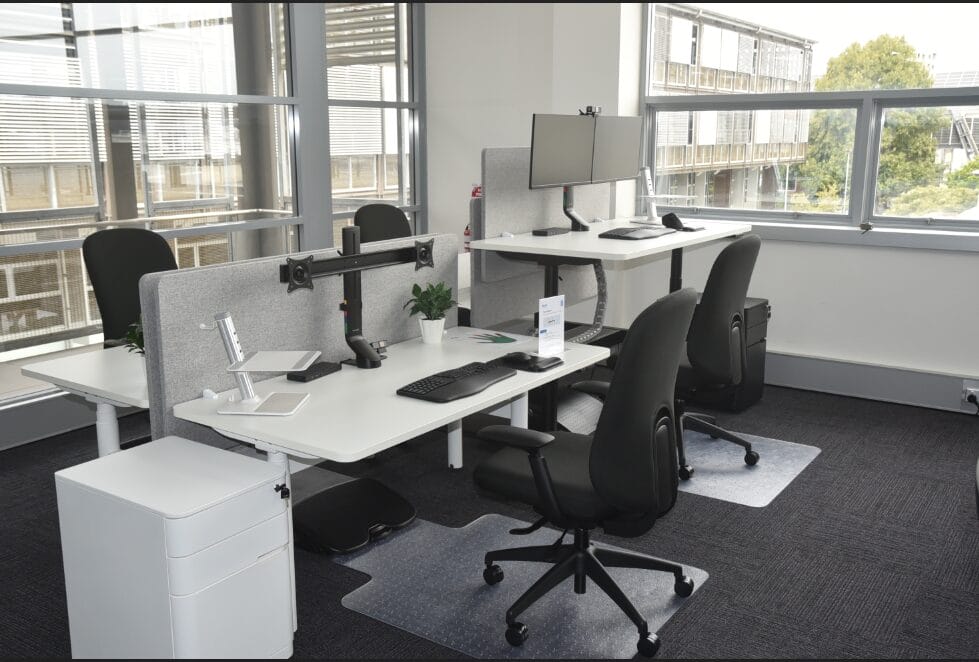
The sit-stand desk range includes both single and back-to-back configurations, suiting a variety of workplace layouts. Dave Hall was particularly impressed that these desks come with a wide height range, which means they can be used by shorter and taller people who often find sit-stand desks don’t work for them.
Ready to bring more movement into your workday?
Sometimes the best ergonomic advice really is the simplest:
Stand up. Stretch. Move a little.
A few small habits, combined with thoughtfully designed office furniture, can transform how your body feels at the end of the day. Explore Buro’s range of ergonomic seating and height-adjustable desks designed to support comfort and make movement a natural part of your workday.