
In any workplace, productivity doesn’t happen in isolation. It’s shaped by how people feel throughout the day: their comfort, energy levels, and ability to stay focused without distraction. While technology and workflows often get the spotlight, one factor quietly plays a major role in performance: ergonomic seating.
When employees are uncomfortable, it shows. They shift constantly, lose focus, and tire earlier. Over time, this affects not only individual well-being but also team output, engagement, and absenteeism. Ergonomic seating isn’t just about comfort; it shapes how people feel, focus, and perform throughout the day. In this article, we'll break down the connection between ergonomics, productivity, and employee health.
Why comfort equals productivity
Comfort and productivity are closely linked. When the body isn’t properly supported, the brain has to work harder just to stay comfortable. Research into cognitive load and well-being shows that physical discomfort competes for mental resources, increasing cognitive load and leaving less attention available for the work itself. Even small issues can quietly pull focus away from the task at hand.
Ergonomic seating helps improve productivity not by eliminating movement, but by supporting natural, healthy movement throughout the day. Small posture changes, fidgeting and shifting are normal and beneficial micro movements that keep muscles active and improve circulation. Well‑designed ergonomic chairs are built to encourage this kind of dynamic sitting, providing support that adapts as the user moves. When ergonomic seating works with the body rather than restricting it, employees can change position comfortably without distraction, helping them stay focused, energised and engaged in their work.
Over the course of a full workday, this has a real impact. Studies examining physical fatigue, posture, and task performance show that prolonged sitting in non-supportive postures increases muscle fatigue, which is associated with slower reactions, reduced accuracy, and a higher likelihood of errors later in the day. When people are comfortable, they tend to maintain energy levels for longer, make fewer mistakes, and deliver more consistent performance.
In this sense, comfort isn’t a luxury. It’s a foundation for productive work.
The science behind ergonomic chairs
The science behind ergonomic seating lies in how the body and brain respond to prolonged sitting. Ergonomics draws on biomechanics, physiology, and human factors research to reduce physical strain and improve how people interact with their work environment.
Physical ergonomics
Physical ergonomics is what most people think of when they hear the term ergonomics. In the workplace, physical ergonomics focuses on reducing musculoskeletal strain by supporting natural posture and encouraging healthy movement.
- Helps reduce neck, shoulder, and lower-back discomfort.
- Lowers the risk of musculoskeletal injuries and disorders.
- Supports comfort during prolonged sitting.
Cognitive ergonomics
Cognitive ergonomics looks at how the brain processes information, emotion, and stress. When workplaces are designed to work with natural human responses, employees can focus more easily and feel less mentally drained.
- Reduces mental strain caused by physical discomfort.
- Supports focus, decision-making, and emotional well-being.
- Helps maintain attention and engagement throughout the day.
Organisational ergonomics
Ergonomics also applies at a systems level. Organisational ergonomics focuses on how work environments, policies, and tools support safe, consistent ways of working.
- Reduces ambiguity in workstation setup and usage.
- Supports a stronger safety and well-being culture.
- Helps create workplaces that are easier to navigate and use.
Taken together, these physical, cognitive, and organisational elements explain why ergonomics is increasingly viewed as a holistic approach to workplace health and performance, often referred to as human factors and ergonomics, rather than a single chair or one-off adjustment.

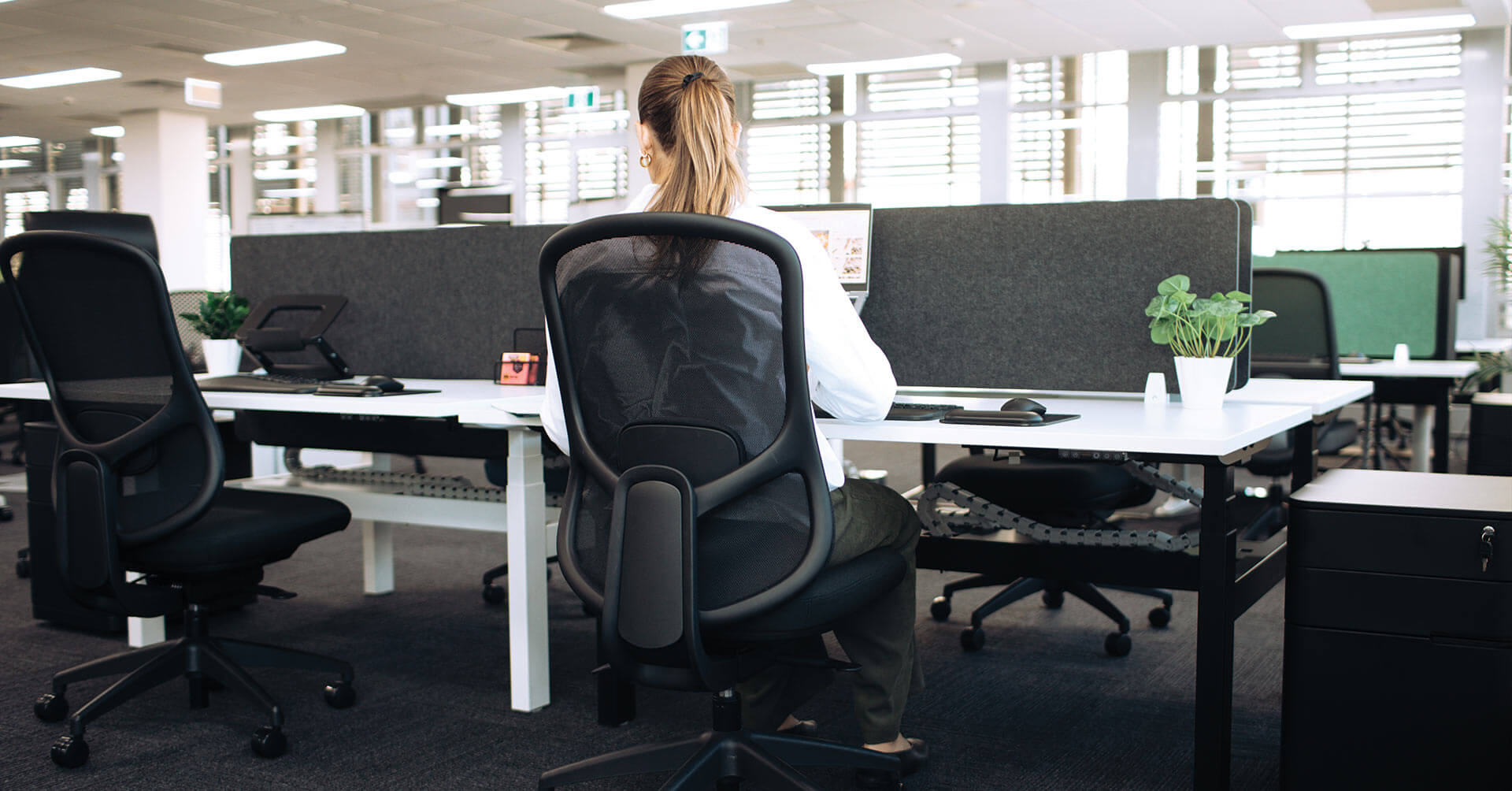
The Konfurb Luna in a modern office.
How Buro chairs support better performance
At Buro, ergonomic seating is designed with real workplaces and varied ways of working in mind. Our range includes desk chairs engineered to support people throughout long workdays, as well as meeting and multipurpose chairs designed for focused work in hybrid or flexible environments where people sit for shorter periods.
Buro chairs are built using proven ergonomic principles, including:
- Adjustable lumbar support to suit different users.
- Dynamic or synchronised tilt mechanisms that encourage movement.
- Seat height and depth adjustability to support neutral posture.
- Durable construction suited to high-use environments.
Rather than encouraging static sitting, Buro's seating is designed to support appropriate movement for the task at hand. In ergonomic desk chairs, this means enabling frequent micro movements that improve circulation and help reduce fatigue during prolonged sitting. In meeting and collaboration spaces, supportive but less adjustable seating allows people to remain comfortable and engaged without over‑prescribing posture for shorter, focused sessions.
By prioritising function, task‑appropriate ergonomics and long‑term durability, Buro supports organisations in creating healthier, higher‑performing workplaces.
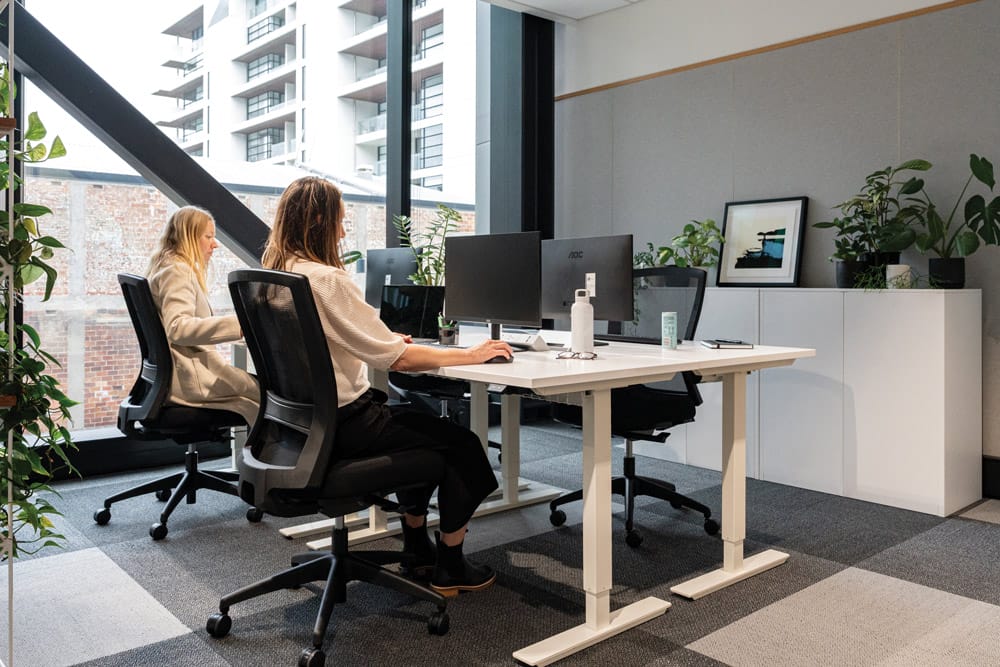
The Buro Mentor ergonomic chair.
Ergonomics is an investment in people
Ergonomic seating delivers real value. It helps employees feel better throughout the day, supports long-term health, and creates the conditions for better focus and productivity.
Explore Buro’s range online and learn more about ergonomic seating solutions to support healthier, more productive workplaces built for the realities of modern work.