Have you ever come home from a bad day at work and thought, ‘Must be my chair’s fault’?
Probably not!
When work leaves you feeling flat, you’re far more likely to blame an overwhelming workload or a poor company culture. And those things can be true, but the link between your physical comfort and your mood can be just as significant.
Safe Work Australia's 2025 report found that mental health conditions accounted for 12% of all serious workplace injury claims in Australia, a figure which has risen sharply over the past decade.
Of course, mental health is complex, and no chair can fix a toxic culture or an unmanageable workload. But emerging research into the psychology of comfort suggests workplace furniture plays a bigger role than many of us realise.
The physical foundation of psychological comfort
You might genuinely like your job but still be made miserable by the environment you’re working in. That’s the central idea behind the psychology of comfort, and researchers in this field appreciate that pain and discomfort are not simply physical problems.
A persistently sore back or low-level fatigue you can’t quite shake can take up a surprising amount of mental space. These physical experiences are frustrating, distracting, and zap you of your patience, all of which quietly chip away at your mental health.
Look at the working environment through the lens of a workplace wellness researcher, and you’ll see that physical comfort is non-negotiable. When your body feels good, your mind is free to enjoy the work.
And the data supports this theory.
A survey of 500 office workers found that a comfortable workspace was the most valued workstation attribute. And a systematic review examining more than two decades of ergonomics research found that poor ergonomics increases both physical and mental strain, while the right ergonomic chair measurably improves wellbeing and productivity.
Control is a comfort
The physical benefits of being able to adjust your chair’s seat height, lumbar position, and armrest to suit your body are easy to see. More surprising is the psychological value of having control over your own workstation.
Workplace comfort research suggests that being able to decide for yourself what feels comfortable creates a sense of agency that may matter as much as the physical environment itself. It sends a subtle message that your workplace recognises people have different needs, and those differences are valued.
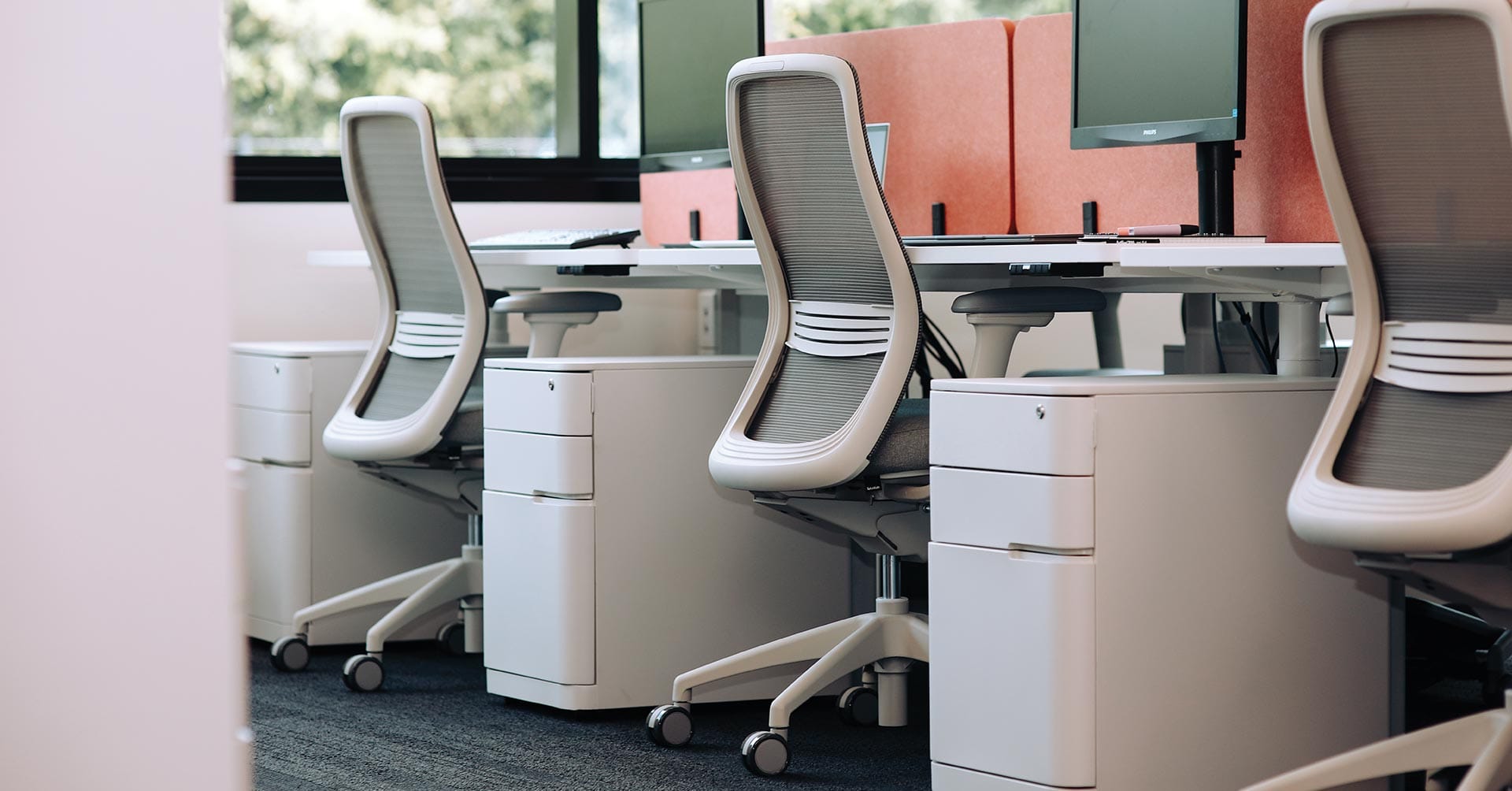
The Buro Mentor is a great way to offer office workers a little more say over their workstation. Its adjustable seat height, lumbar support, and armrests accommodate a wide range of body types, so everyone can find a setup that feels right for them.
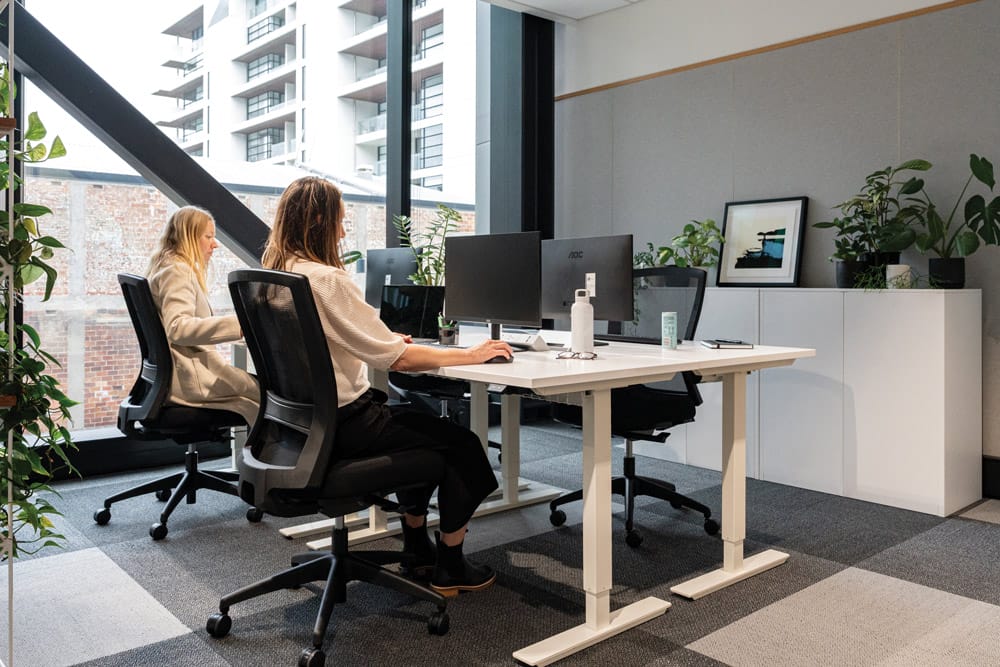
The Buro Mentor features Buro Dynamic Intelligence™, making it very easy for employees to get the right fit.
Why we need to keep people moving at work?
Think about how to break sedentary work habits and the physical benefits will probably come to mind first: less stiffness, better circulation, and fewer aches and pains. But regular movement can also change how people feel mentally, impacting everything from short-term mood to overall psychological wellbeing.
A study published in the British Medical Journal found that workers using sit-stand workstations experienced less daily anxiety as well as improved work engagement and quality of life. In a separate seven-week study, 87% of participants who alternated between sitting and standing reported increased energy throughout the day.
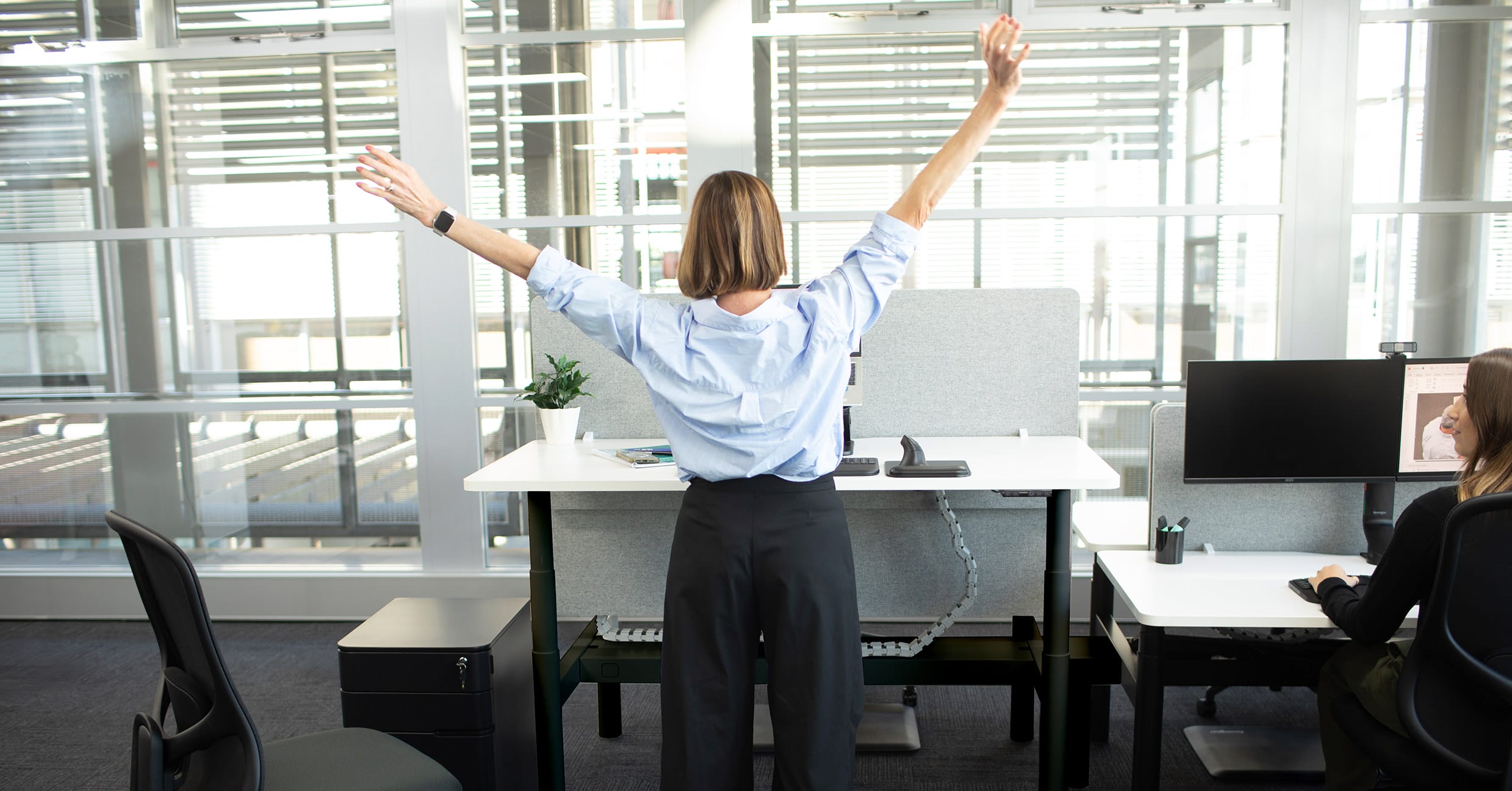
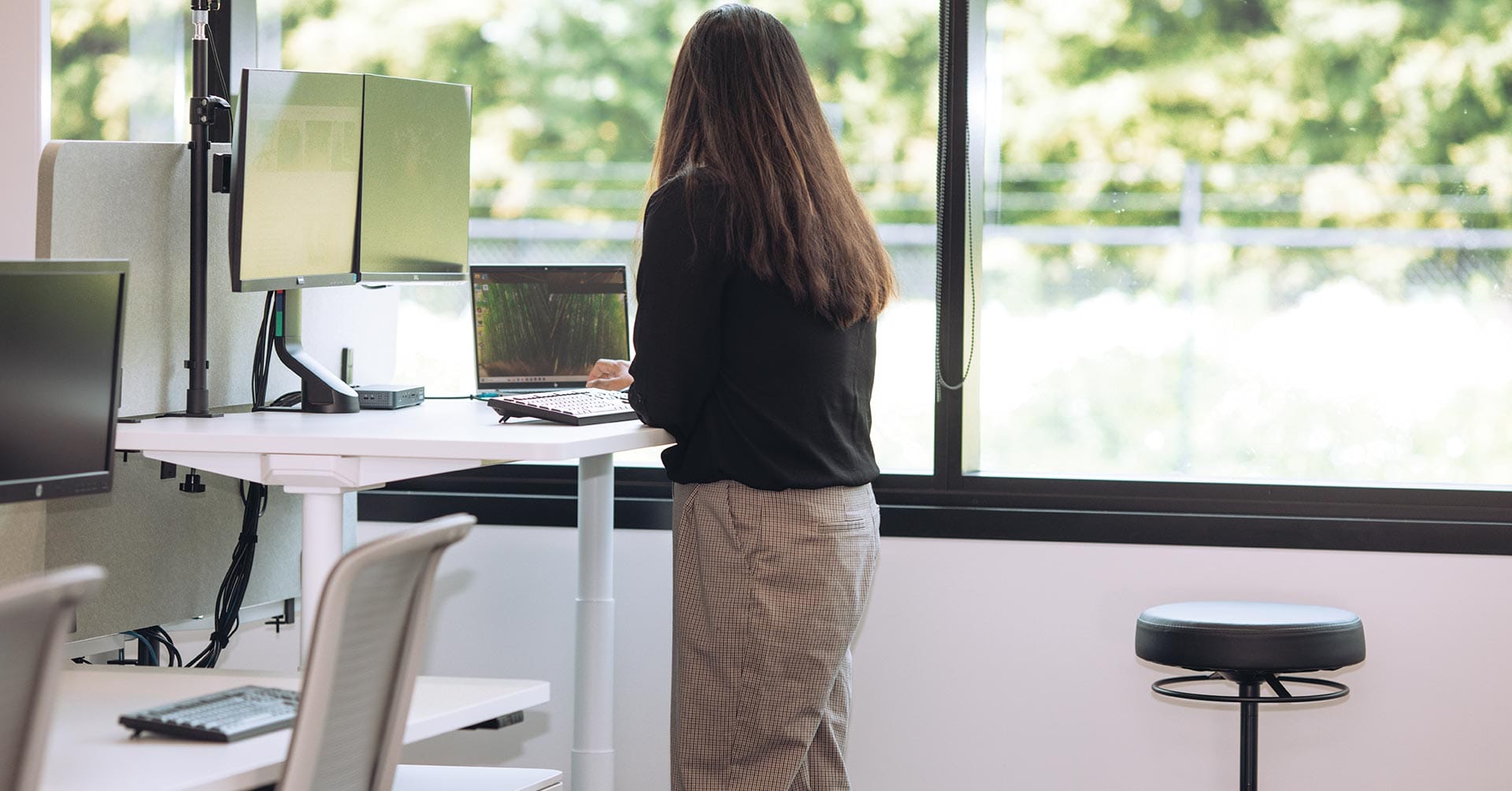
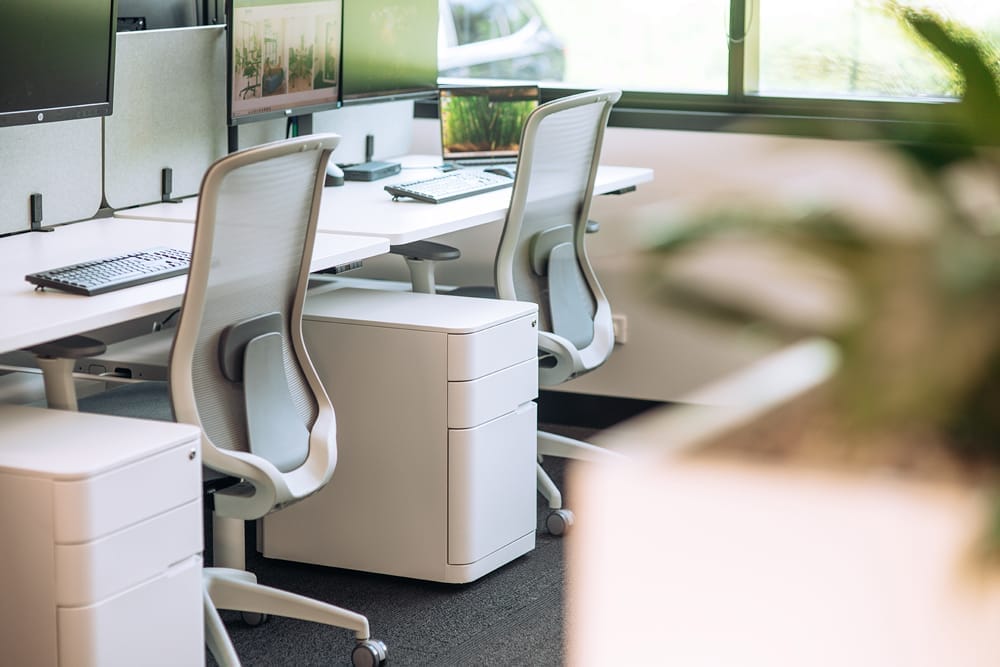
A height adjustable desk is one of the easiest ways to build more movement into a standard working environment. Buro's height adjustable desk range includes single and back-to-back configurations suited to open-plan offices. If you’re looking to make movement a natural part of the day rather than something people have to remember to do, sit-stand desks are the best place to start.
What a comfortable workplace actually signals
The psychology of comfort offers a new way to think about workplace furniture: ergonomic chairs and adjustable desks are not simply practical features, but factors that shape how people feel across the many hours they spend at work.
When the office environment supports different bodies and ways of working, people notice. It reduces the physical distractions that affect mood and focus, while giving employees greater control over how they move through their day.
A thoughtful, adaptable workplace says that comfort has not been treated as a luxury, and that the people using the space have been considered.
No chair can create workplace wellbeing on its own, but the right physical foundation can make it much easier for people to feel settled, supported, and ready to do their best work.
For practical guidance on moving more and sitting better throughout the workday, Dave Hall, Occupational Physiotherapist, shares his top tips here.