
Most of us know what an unhealthy workday feels like: too much sitting, too many notifications, and not enough physical activity. Occupational Physiotherapist Dave Hall knows that healthier work habits often come down to small, realistic changes throughout the day. From morning exercise to managing digital overload, here are his five practical tips on how to feel better at work.
1. Start your day with movement
While some of us love a late-night workout, usually, by the time the workday ends, we’re spent. Energy is low, and motivation is even lower. Before you know it, exercise has slipped off the bottom of the to-do list.
Dave’s solution? Move first. Simple as that.
“Begin your day with a walk, stretch, or quick burst of activity,” Dave says.
It doesn’t matter which type of exercise you choose. The goal is just to get your body moving early. That way, no matter how the rest of your day unfolds, you’ve already made movement part of it.
And, Dave points out, the benefits go beyond physical health.
“Moving early wakes up your body and sharpens your focus.”
For an added boost, Dave recommends getting outside if you can.
“Even a short dose of daylight and fresh air lifts your mood, eases eye strain, and helps recharge your battery.”
2. Match your tasks to your energy
So, you’ve moved your body and arrived at work feeling more awake. The next step? Work with your energy levels rather than against them.
We all peak at different times: some people feel their best first thing in the morning, while others hit their stride later in the afternoon. The key is to notice when you naturally work best and structure your workload around it.
“Do high‑focus work when you’re sharpest, and save lighter admin or routine tasks for lower‑energy times,” Dave says.
When you stop trying to force productivity at the wrong times, your workday starts to flow much more smoothly.
3. Make wellbeing a team habit
Have you ever noticed it’s a lot easier to exercise if you have someone keeping you accountable? Healthy routines stick best when they’re shared. That’s why Dave suggests building physical activity into team-based tasks where possible, whether that means holding a standing meeting or taking a walk with a colleague instead of sitting in the break room.
He’s also a big fan of adding exercise to the meetings themselves.
“Try to use the first minutes of meetings for simple stretches or light exercises - it gets you moving while boosting morale and team connection.”
Take workplace wellbeing a step further by organising group activities like a weekly lunchtime Pilates class or a social sports team.
4. Set up a workspace that promotes activity
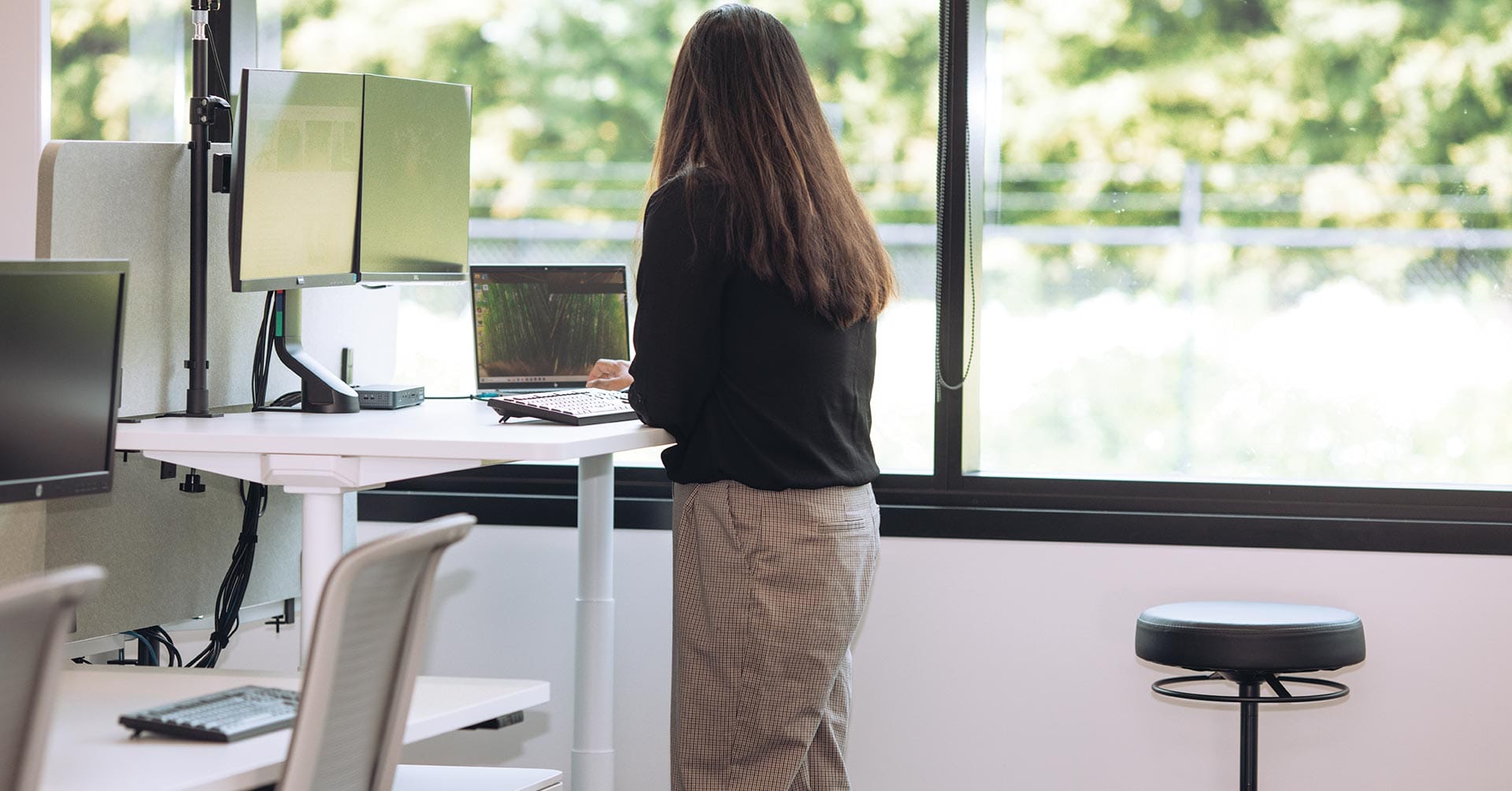
“Your desk chair should support movement, not lock you into one position for hours at a time,” Dave says. “Invest in ergonomic office furniture that encourages shifting your posture, and set up a workstation with room to move.”
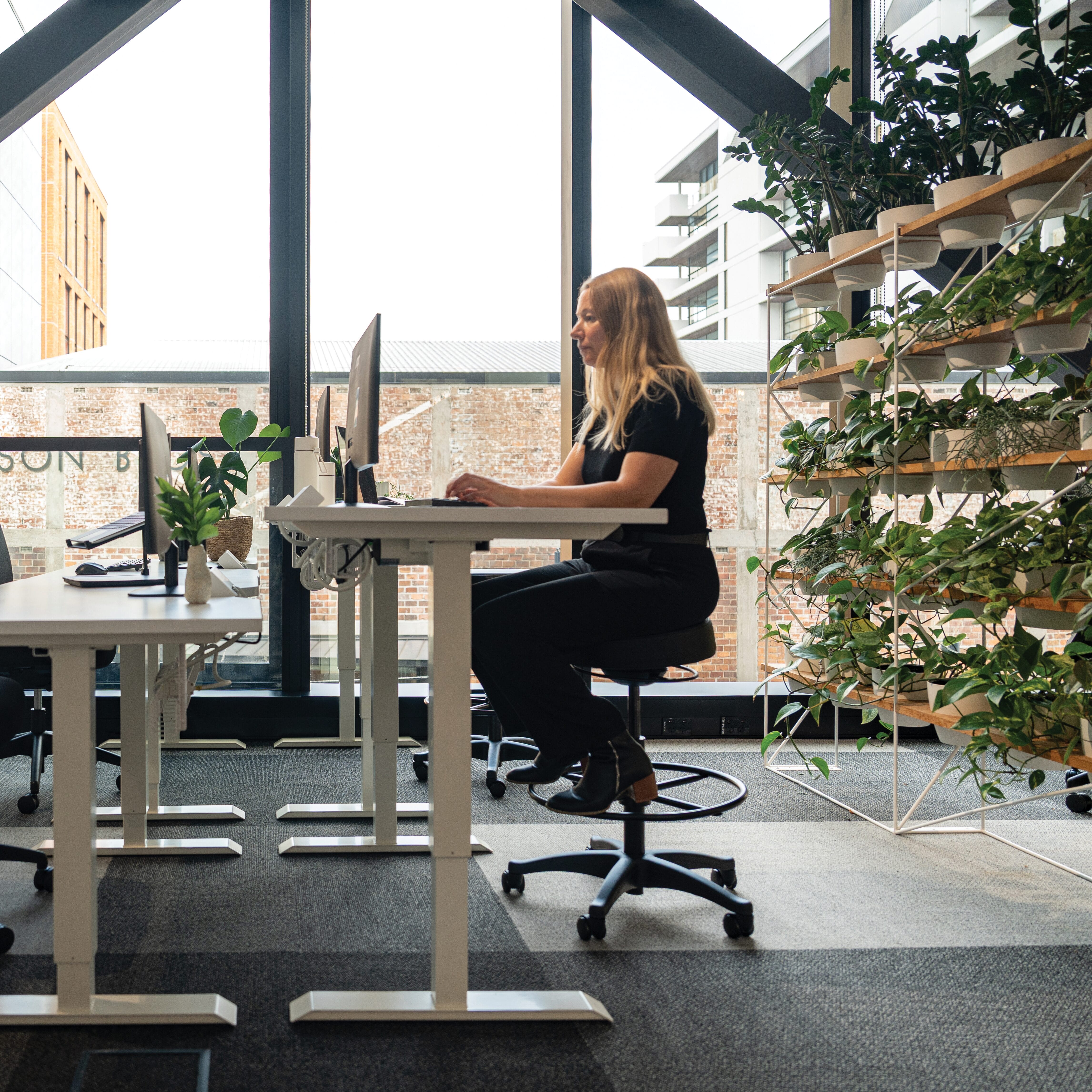
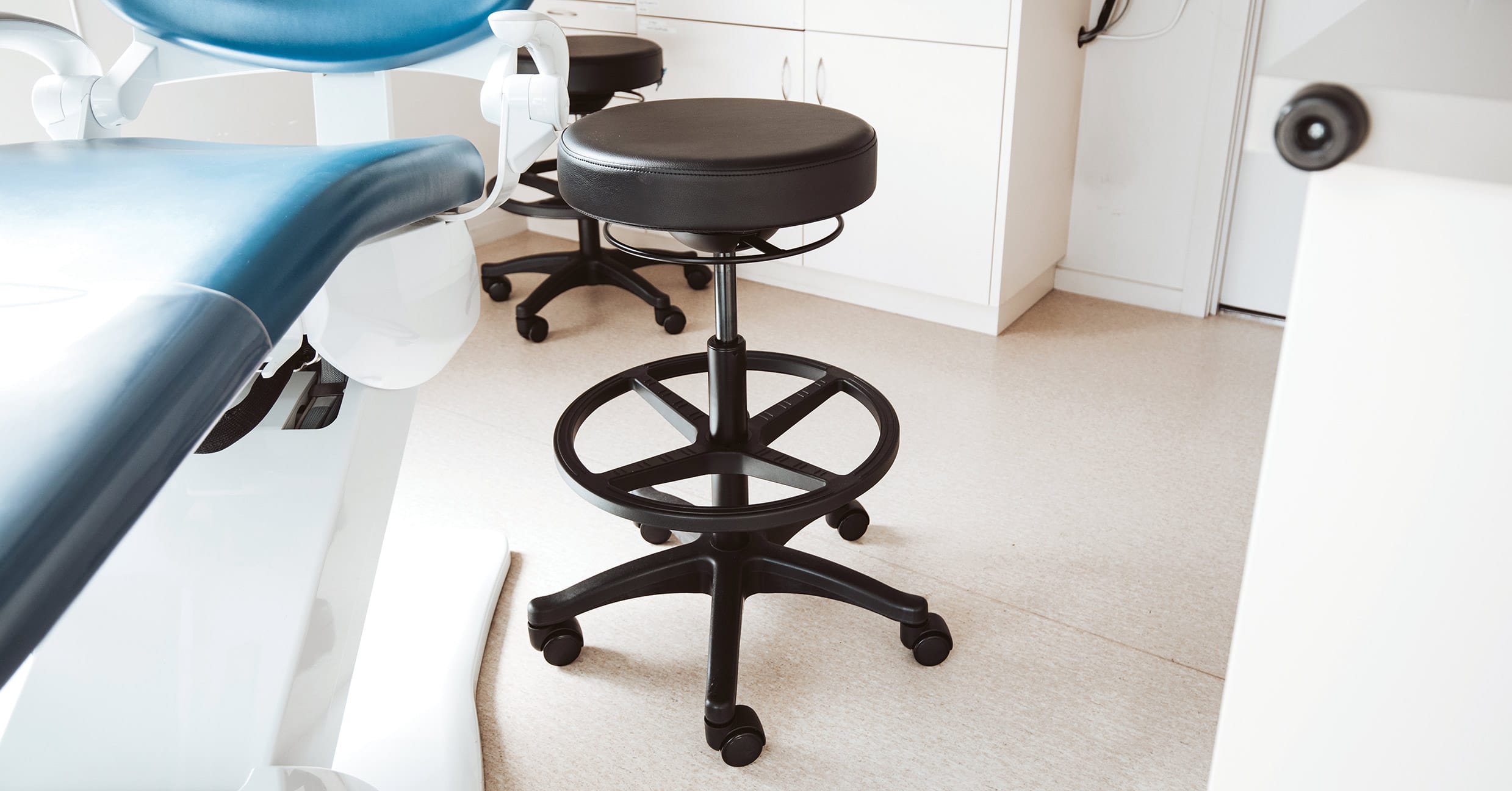
If you like to vary your posture frequently, active seating options such as the Buro Polo Stool encourage subtle shifts while working.
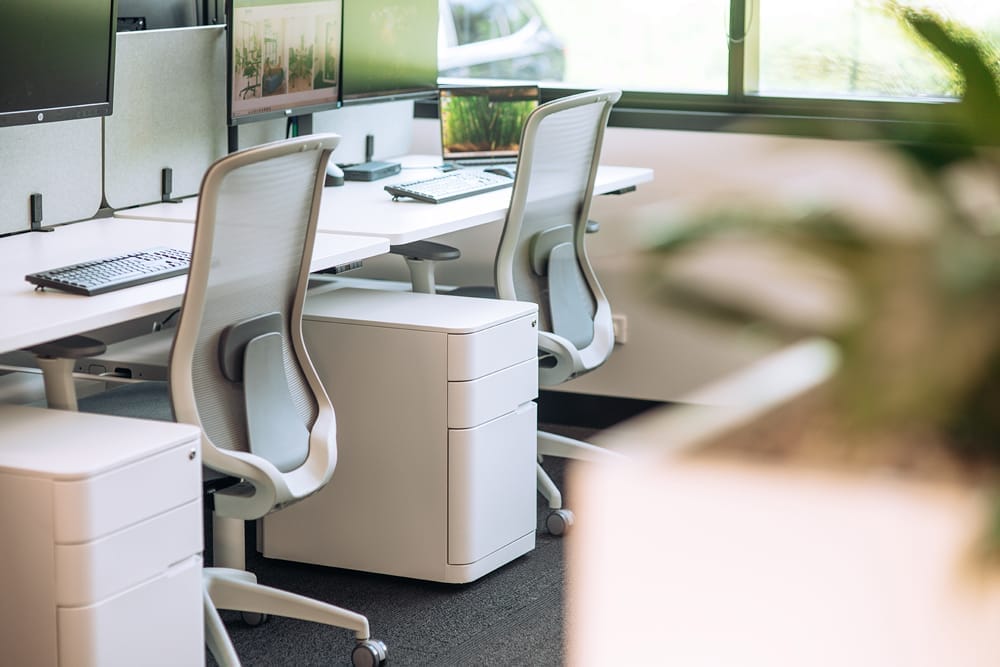
Height-adjustable desks like the Buro Syntra make it easier to alternate between sitting and standing.
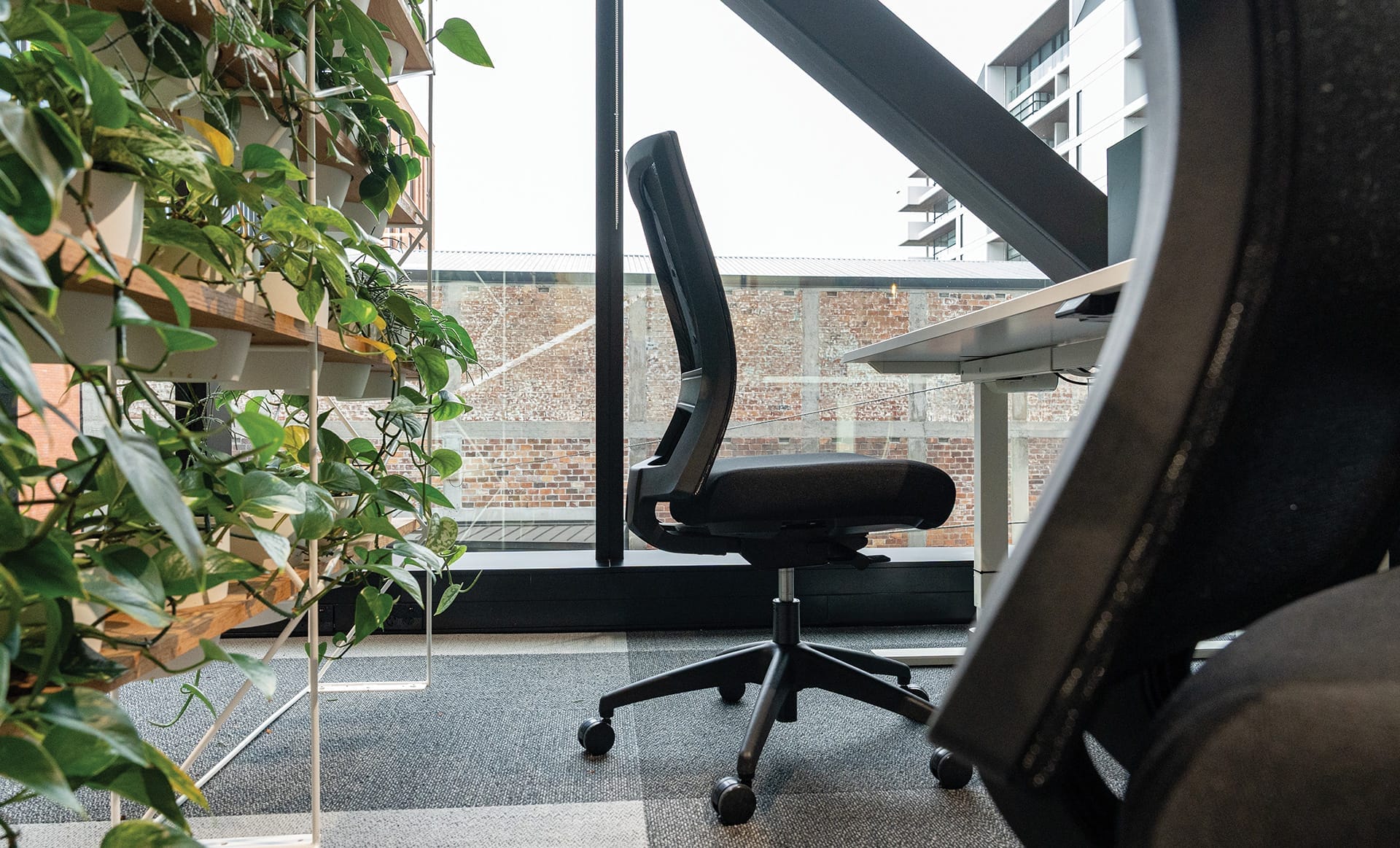
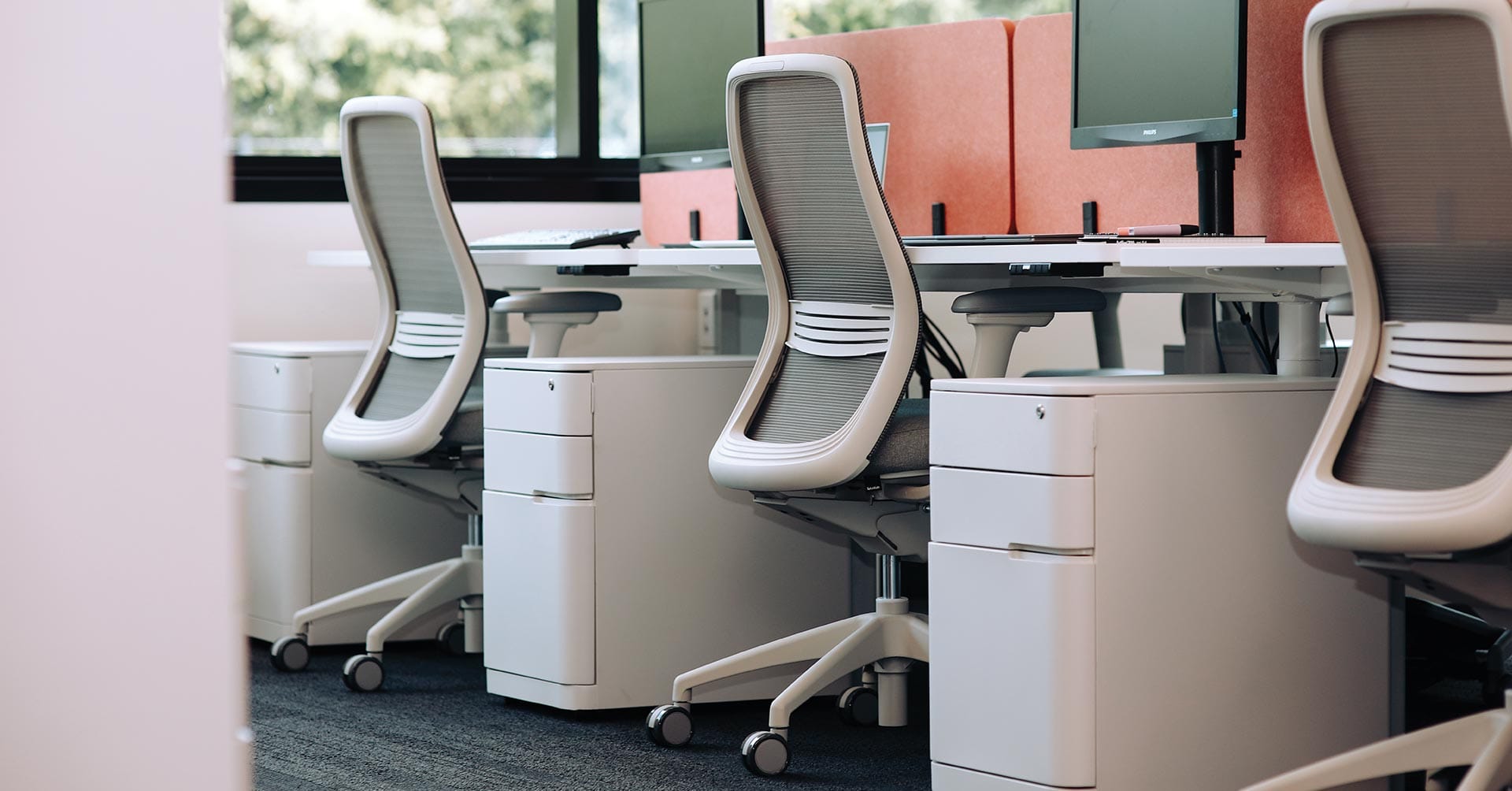
Ergonomic office chairs such as the Buro Mentor feature Buro Dynamic Intelligence technology that adapts intuitively to your weight and natural movement instead of keeping your body static and still.
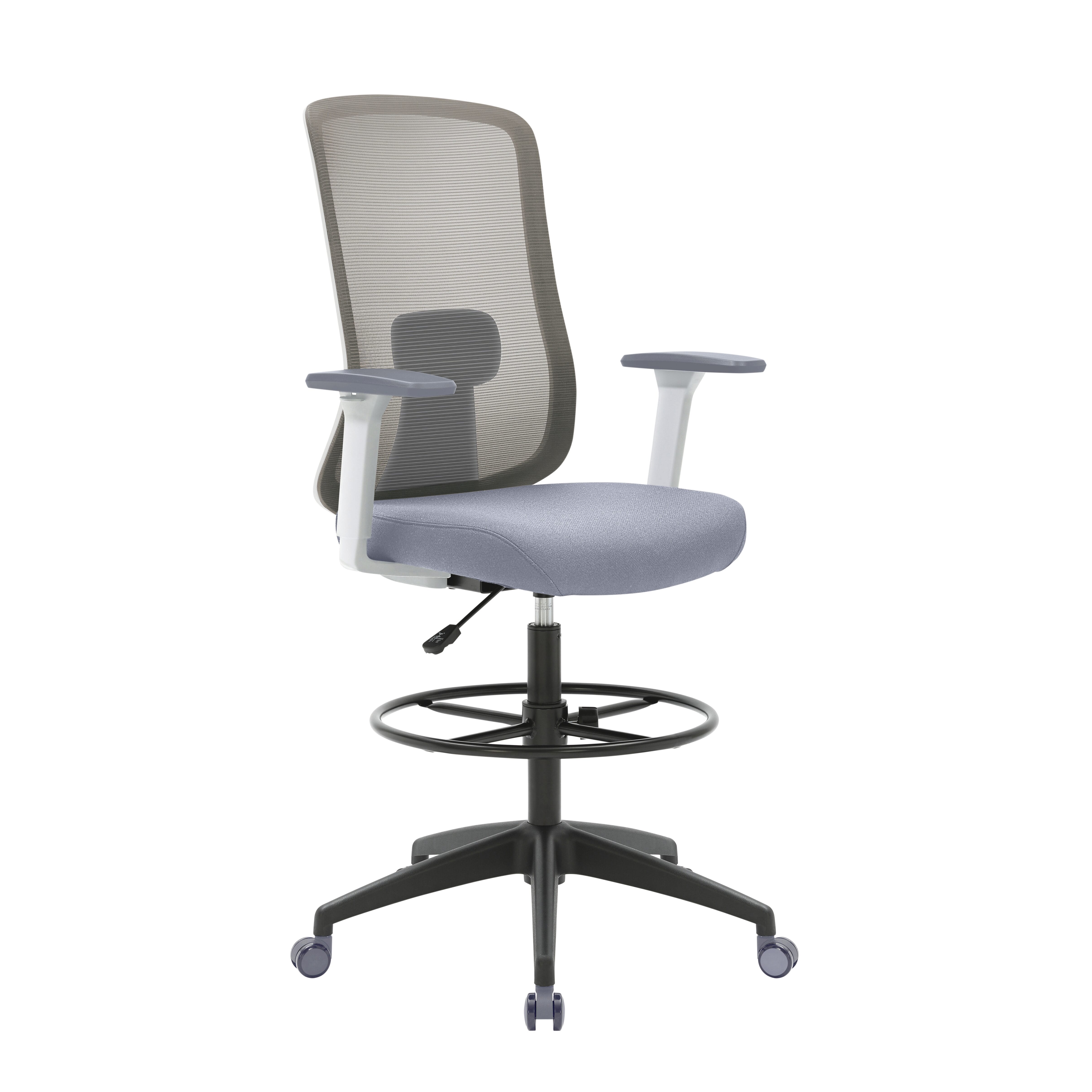
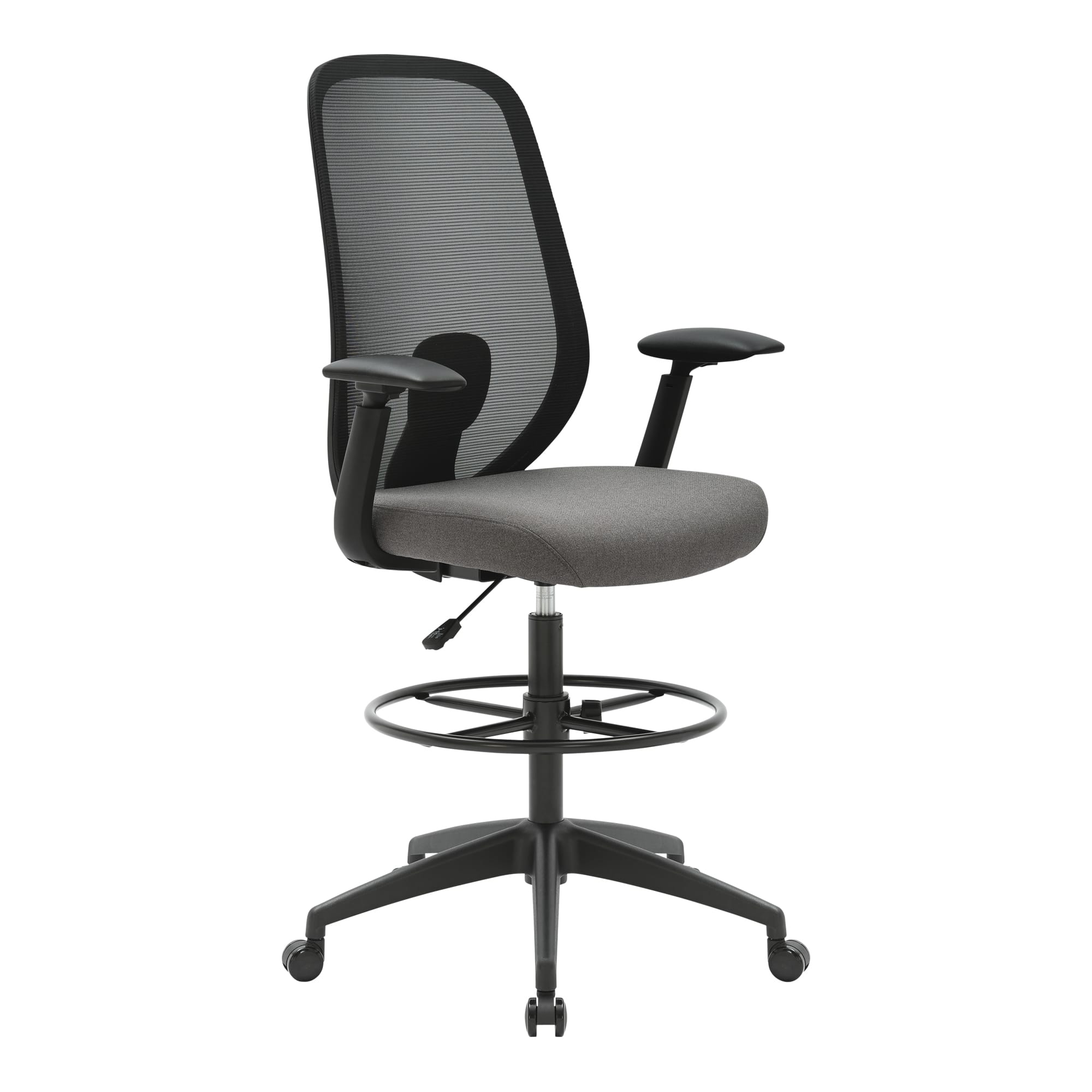
And more and more office workers are pairing chairs like the Buro Elan and Buro Force Drafting Chairs with sit-stand desks to create comfortable ‘perching’ positions somewhere between sitting and standing, making regular posture changes quick and easy.
5. Manage digital overwhelm
Even with all those healthy habits in place, modern work can still leave you feeling drained, especially when notifications, messages, and multiple screens are all competing for your attention.
Dave has five suggestions on how to manage digital overwhelm so you can feel better at work:
Reduce digital noise.
Try muting non‑essential notifications for a day, notice which ones you didn’t miss, and keep those turned off.
Switch from “always on” to intentional check‑ins.
Check your email, Teams, or messages in short, purposeful bursts instead of constantly monitoring them throughout the day.
Use the One Tab rule.
Select one single task to work on and keep only that tab or app open. Reducing visual clutter can help you concentrate for longer without feeling scattered.
Protect two focus pockets a day.
Block out two 30‑minute ‘no‑ping zones’ each day and treat them like meetings with yourself. Even short periods of uninterrupted work can reduce mental fatigue.
Create a calming end‑of‑day digital ritual.
Close all your tabs, set tomorrow’s top three priorities, and properly log off for the night — mentally as well as physically.
It’s easy to start feeling better at work
Workplace wellbeing is often shaped by the small things: moving regularly, protecting your focus, and creating a workstation that works with your body.
Explore Buro’s range of ergonomic office furniture designed to support movement, comfort, and healthier ways of working.