Most people don't think much about their chair until something starts to hurt. By then, hours of sitting in a poorly fitted environment have already had an effect. Ergonomics is the discipline that tries to get ahead of that.
It's about designing workplaces, products, and systems to fit the people who use them. In an office, that means seating, desk setup, and screen position that support your body naturally throughout the workday, rather than the other way around.
The chair is where most people start, and this guide covers what makes an ergonomic chair genuinely ergonomic and why it matters.
What is ergonomics?
Ergonomics is the process of organising workplaces, products, and systems to fit the people who use them, so they can work comfortably and efficiently. It's the difference between a workspace that supports your body and one that works against it.
For office workers, the risks are easy to miss. Sitting for long hours in a poorly fitted chair puts sustained load on the spine and shoulders, and that builds up over time. Poor posture, inadequate support, and not enough movement are among the most common causes of workplace discomfort, and most of them are preventable.
Ergonomics covers more than just the chair. Desk height, monitor position, and keyboard placement all play a role, as does how often you get up and move. Our office ergonomics checklist covers the full workstation setup. However, the chair is the foundation, and it's where most people see the biggest difference.
Ergonomic insights from an Osteopath
The Buro product development team have worked with Ergonomist and Osteopath Andrew Wilson, who provided detailed ergonomic assessments for each chair in the range. It's a collaboration that's directly shaped how Buro approaches seating design.
Andrew has spent 40 years practising as an osteopath. Many of the patients he treated for back and neck pain worked sedentary office jobs and spent long hours in poorly supported postures. That link between how people sat and the symptoms they developed is what led him to study ergonomics, with a focus on helping people avoid those problems before they start.
His work with Buro puts that thinking into the chairs themselves. Each assessment looks at how a chair supports the natural curve of the spine, how easily it can be adjusted, and whether it encourages movement rather than holding the body still. For a practical application of those principles, his guide to common postural mistakes and fixes is worth reading alongside this article.

What is an ergonomic chair?
The chair is where ergonomics has the most direct impact on your day. What separates a genuinely ergonomic chair from one that just looks the part is how well it supports your posture, how easily it adjusts to your body, and how it feels after several hours of use.
Supports good posture
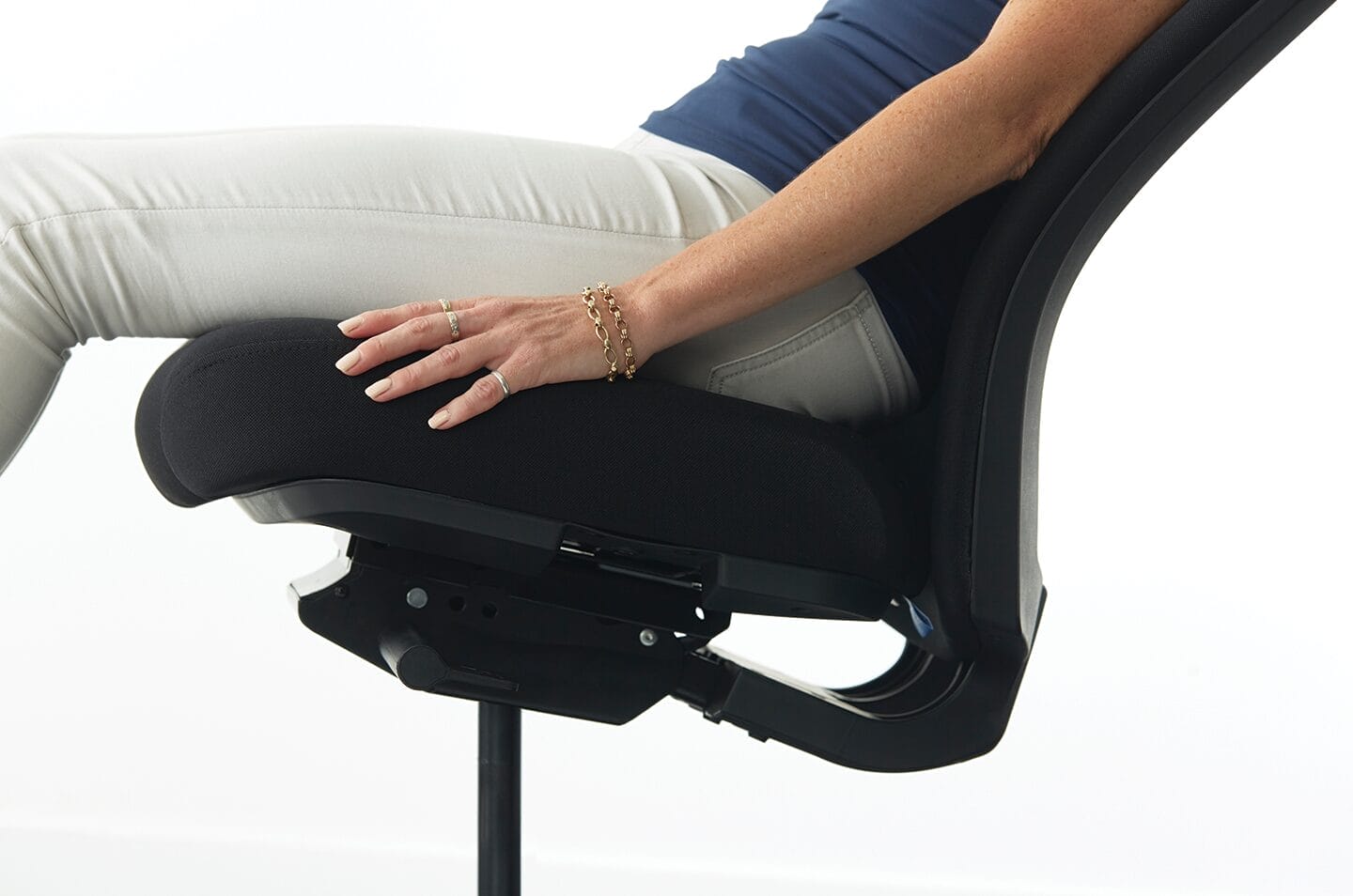
A well-designed ergonomic chair supports a range of postures rather than locking you into one. The three most common seated postures are an upright working position with the thighs sloping slightly forward, a neutral position with the thighs horizontal, and a more reclined position suited to calls or reading. A good chair handles all three.
When posture is well supported, the spine holds its natural curve, and pressure is distributed evenly across the seat and backrest. The muscles that would otherwise be working to hold you upright can relax. Over a long day, that makes a real difference to how you feel by the time you finish.
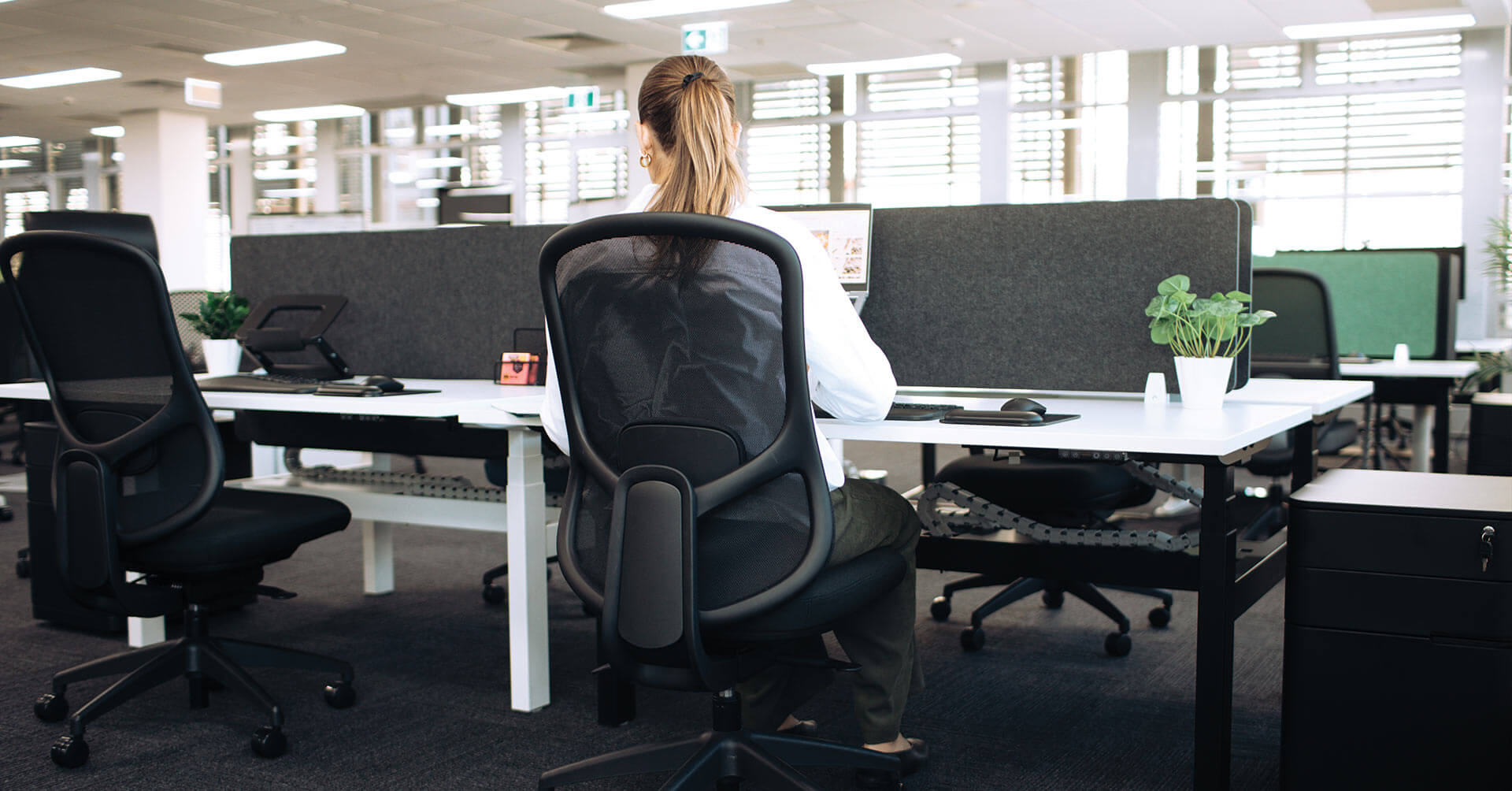
The Buro Mentor is a good example, with a mesh back that follows the shape of the spine and adjusts to support the lumbar region throughout the day.
Easy to adjust
An ergonomic chair should be easy to adjust while seated. Controls need to be within reach and clearly marked. If adjusting the chair means getting up or hunting for a manual, most people won't bother, and the benefit is lost.
Adjustability matters because bodies are different. Seat height, backrest angle, and lumbar support all affect how well a chair fits a particular person. In shared workplaces where multiple people use the same chair across shifts, being able to reset those settings quickly is especially useful.
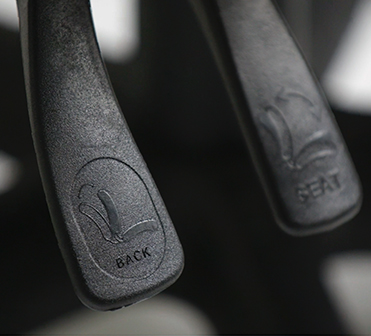
Clearly labeled levers make it easy to adjust the chair to suit you.
Feels comfortable over time
Comfort over a full day is different from comfort in the first five minutes. A chair that feels fine initially can become a problem after a few hours if the seat foam is too firm or the backrest doesn't follow the natural curve of your spine. Pressure points under the thighs or across the lower back are a common sign that a chair isn't the right fit.
A good ergonomic chair has even pressure distribution across the seat and a backrest that supports the spine down to the pelvis. Seat depth matters too; it should suit your body without cutting into the back of your legs. These are the details worth checking before you commit.
Ergonomics beyond the chair
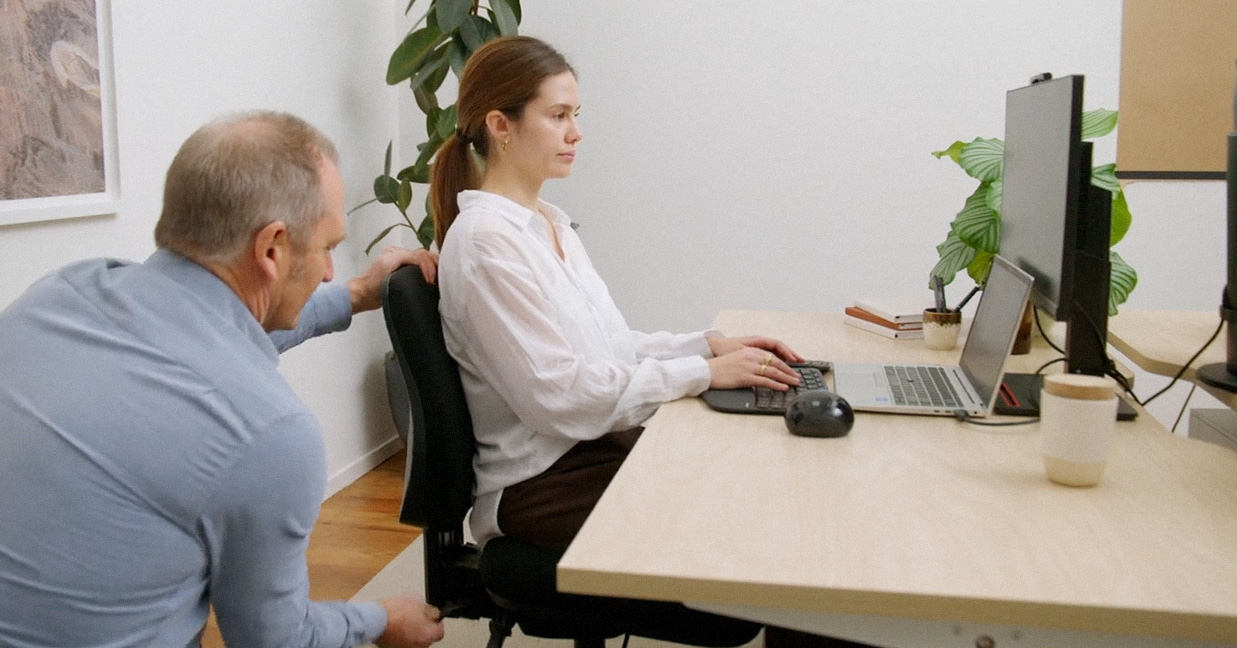
A good chair works best as part of a properly set up workstation. Desk height, monitor position, and how often you move all affect how your body feels by the end of the day. Andrew Wilson covers the key adjustments in these two short videos:
For more details, our workstation setup guide covers the same ground in full.
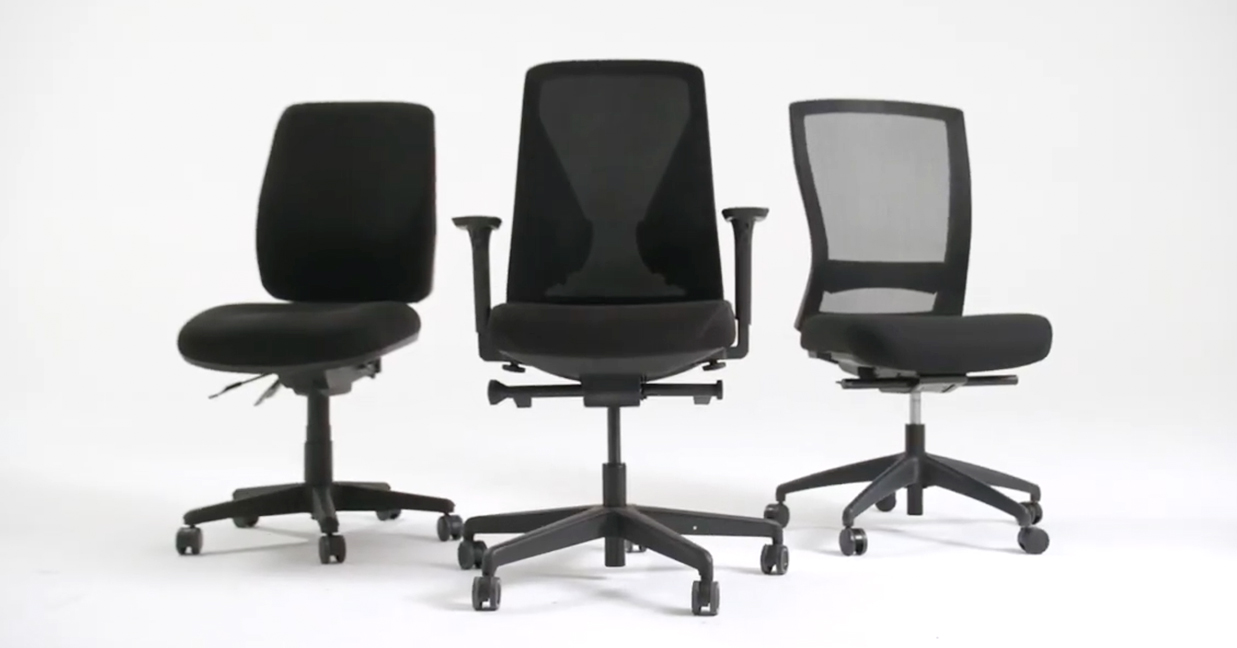
Three of our favourites: Buro Roma 3 Lever Mid Back, Konfurb Sense, and Buro Mentor Mesh Back.
Finding the right ergonomic chair
Understanding what makes a chair ergonomic is the first step. The next step is finding one that fits your body, your working environment, and how long you spend at your desk each day.
Buro's range covers a broad spread of needs, from mesh backs suited to warm offices and long hours to leather and fabric options for more formal environments. Check out the full range online to help make the best decision for your office.