Open-plan offices weren’t always the go-to layout.
In the early 1900s, workplaces were dominated by long rows of desks.
By the mid-20th century, cubicles were hailed as the ultimate productivity booster.
Then in the 2000s, the walls came down in favour of collaboration and connection, giving rise to the open-plan office you’re probably sitting in today.
Of course, open office design comes with challenges, like noise and distraction, and certain personality types (hello, introverts!) and professions (think engineers, writers, analysts) are more prone to fatigue in these environments than others.
The goal now is to design open-plan offices that strike the right balance between productivity and collaboration, connection and calm.

Toni Dickson, Manager & Senior Design Consultant at Fuze Interiors.
We asked a workplace design expert what makes open offices work
Fuze Business Interiors is a workspace design specialist that blends quality products with expert design to create workspaces people love.
Toni Dickson, their Manager and Senior Design Consultant, has over two decades of experience helping New Zealand businesses create functional, flexible workspaces that bring out the best in their people.
For Toni, the most rewarding part of her work is showing what’s possible within a workspace.
“I love that simple structural and cosmetic changes can transform a workplace and the experience of the people in it.”
The pros and cons of open office design
We all know the benefits:
- Better staff interaction and collaboration
- Flexible spaces that can adapt to growing teams
- Efficient use of office real estate
- A sense of transparency that reflects modern workplace culture.
But open office design also has its drawbacks.
“Concerns around sound transfer and staff distraction are always top of mind,” Toni says. “And confidentiality is important to consider when it comes to space planning.”
The key, she explains, is balance. Combining smart zone planning, acoustic solutions for open offices, and thoughtful furniture placement that makes openness feel intentional rather than overwhelming.
Read our blog on how high-quality furniture can deliver a great ROI.
Toni’s top five design tips for an open-plan office fit-out
1. Use furniture to define zones
Strategic furniture placement can create natural boundaries without the need for walls, keeping the open layout while distinguishing collaborative areas from quieter zones.
“Desking is a clear indication of a focus or work area. Soft seating can indicate a ‘break away’ or ‘collaborative’ space. And quiet pods can offer a spot for focused work.”
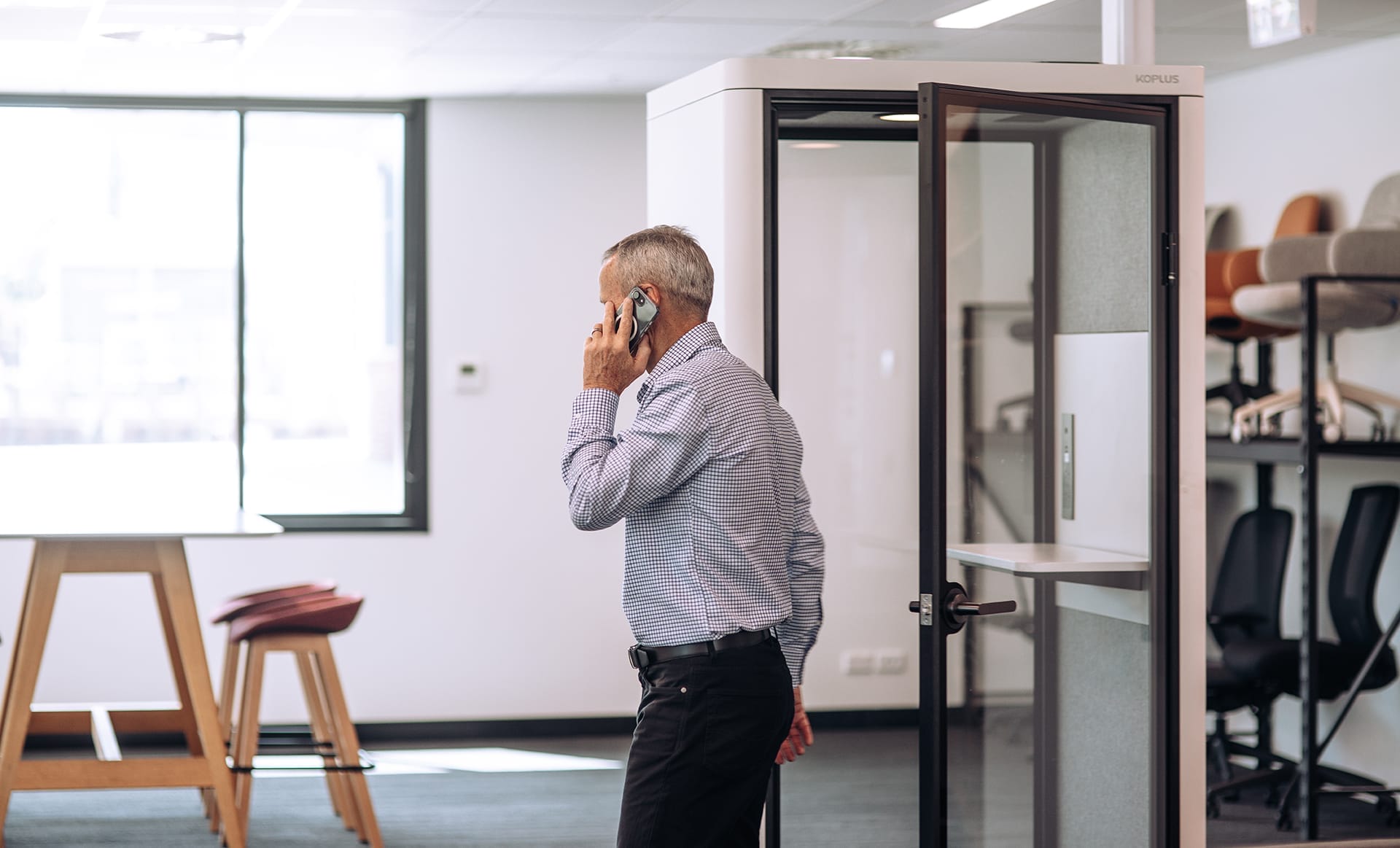
Quiet pods like the Koplus range allow for focused work and acoustic comfort without breaking the open feel of the office.
2. Balance acoustics with aesthetics
Acoustics are one of the biggest challenges in any office, open plan or not.
“Most buildings are designed with hard surfaces — gib, glass, concrete — all major contributors to sound reverberation and travel.”
Open-plan spaces are especially prone to noise, so the trick in an office fit-out is to soften the environment without losing visual appeal. Acoustic panels, soft furnishings, and ergonomic seating solutions with fabric finishes all help absorb sound while adding warmth and style.
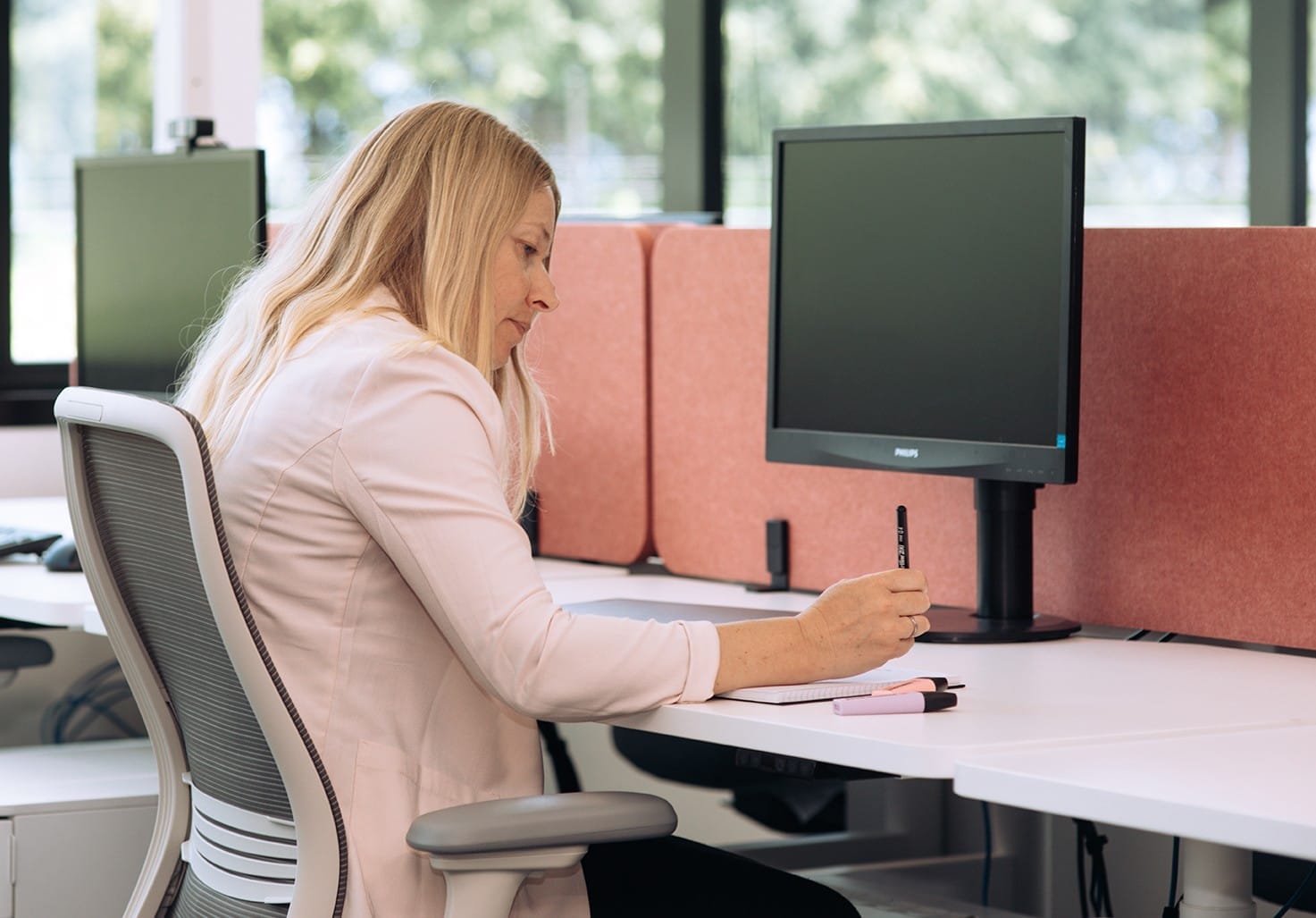
Use Boyd acoustic screens between desks to reduce sound transfer while complementing your modern office aesthetic.
3. Let furniture guide flow
Thoughtful furniture layout helps people navigate your office. It provides the breathing space they crave while also guiding foot traffic effectively.
Clearly defined pathways also enhance accessibility and offer your staff safe evacuation routes.
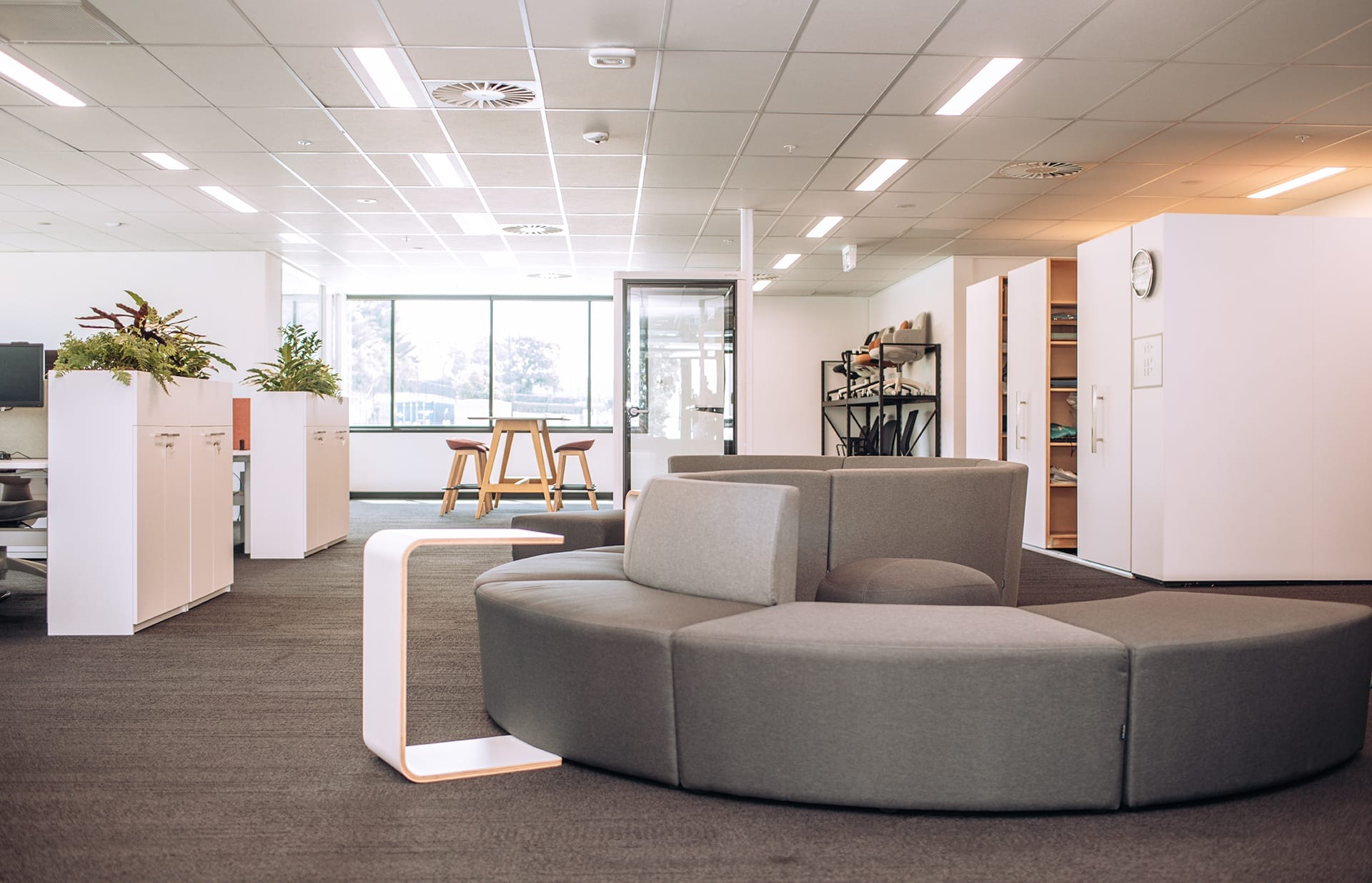
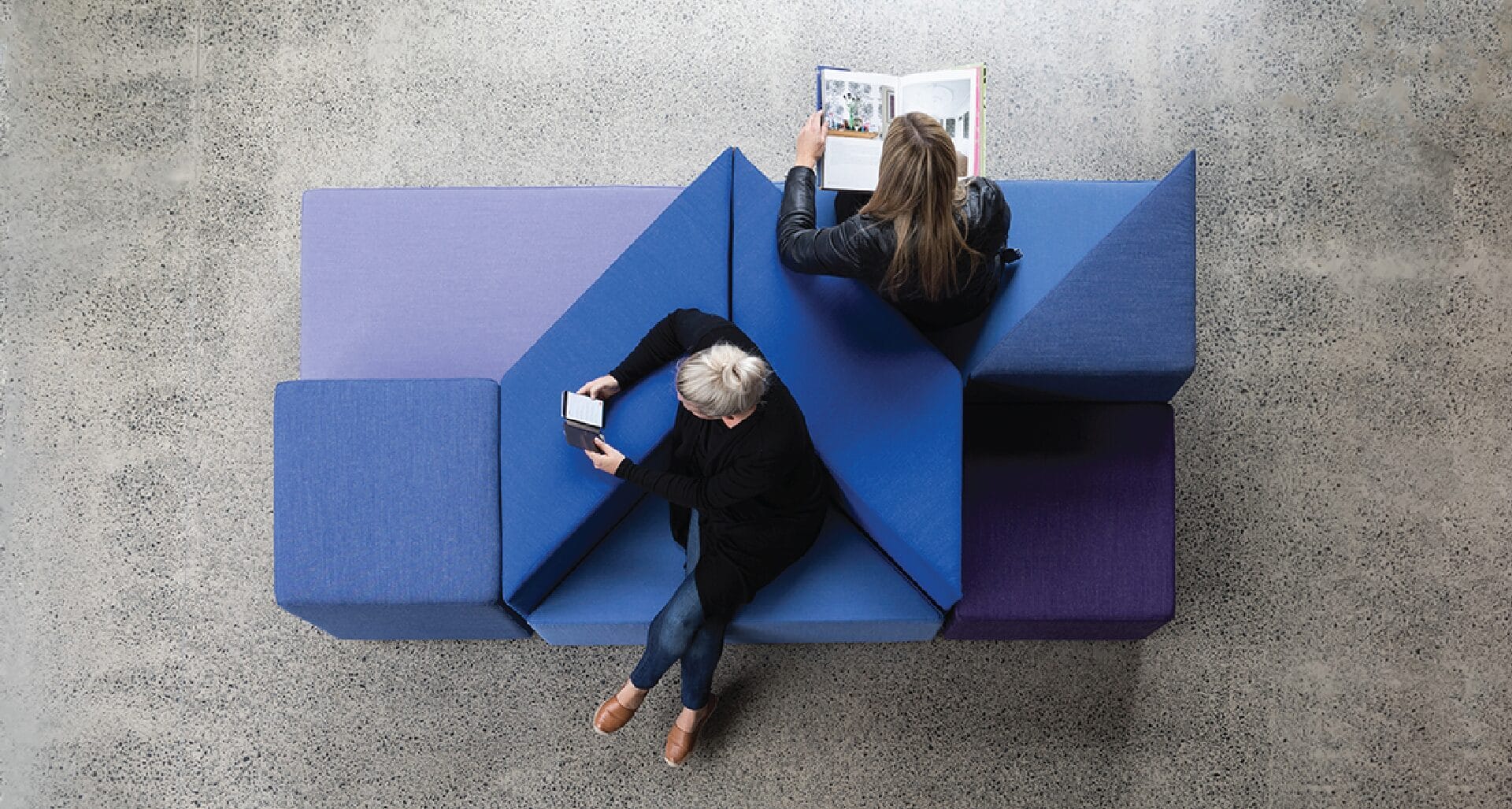
The Konfurb Arco Series’ agile modular seating system can guide movement and define pathways within an open office.
4. Support technology for hybrid work
Today’s offices rely on seamless connectivity and smart technology integration.
“Having technology that supports flexibility is crucial,” Toni says. “Connectivity that can work remotely for online meetings, digital whiteboards, and room booking apps means a variety of areas can quickly become a meeting space.”
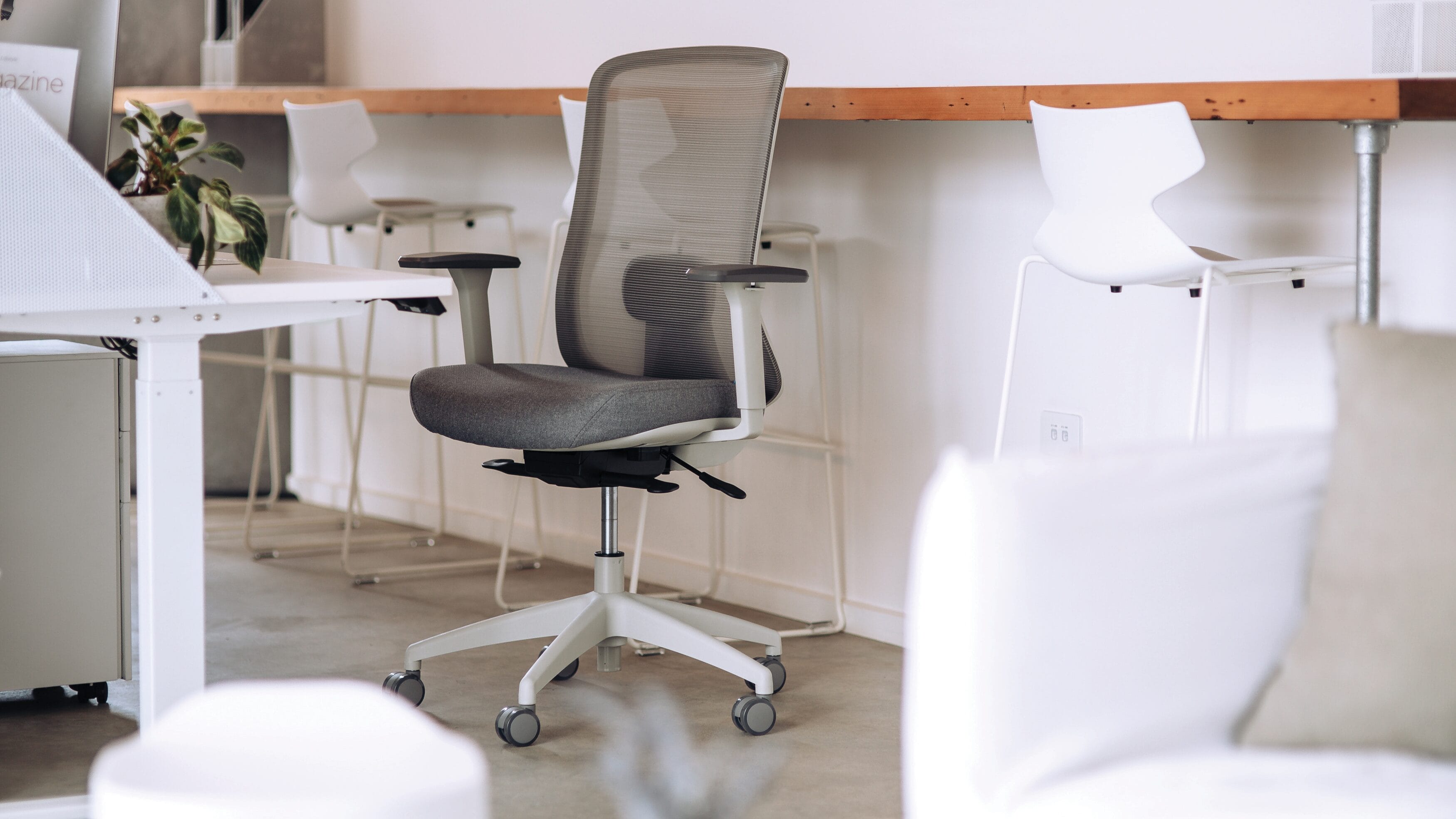
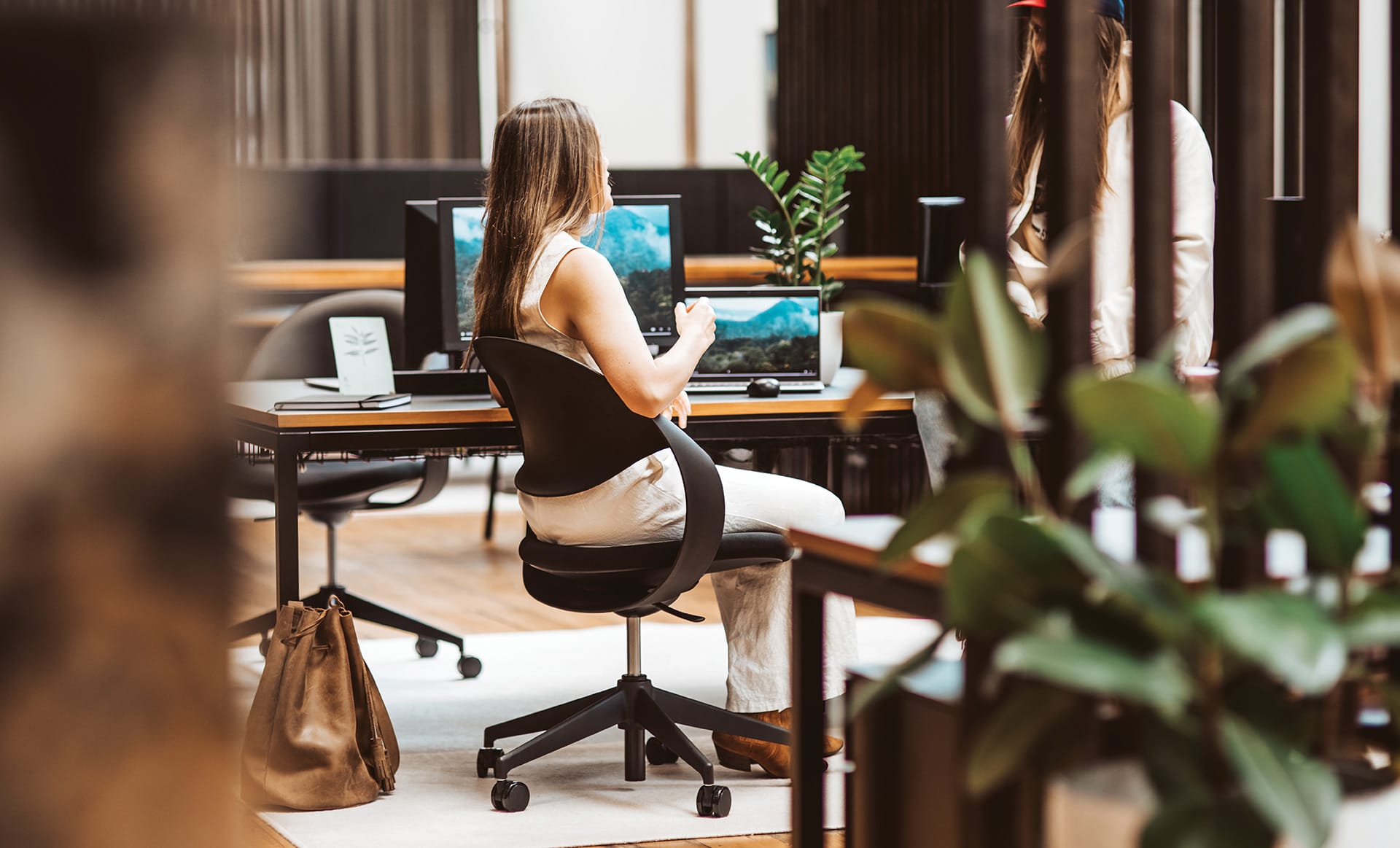
The Buro Elan is a light, adaptable task chair that works beautifully in hybrid-ready meeting zones with integrated tech.
5. Don’t underestimate lighting
Lighting has a major impact on how your people feel and perform. Whenever possible, maximise natural light and give people control to reduce glare. And make sure artificial lighting suits both the task and the zone. Toni recommends:
- Bright, even lighting in work areas
- Adjustable ambient light for meeting rooms
- Clear, bright lighting in kitchens and bathroom.
- Low-glare, indirect lighting for quiet or focus zones.
Read next: Beyond the break room: How to weave wellbeing into your workplace.
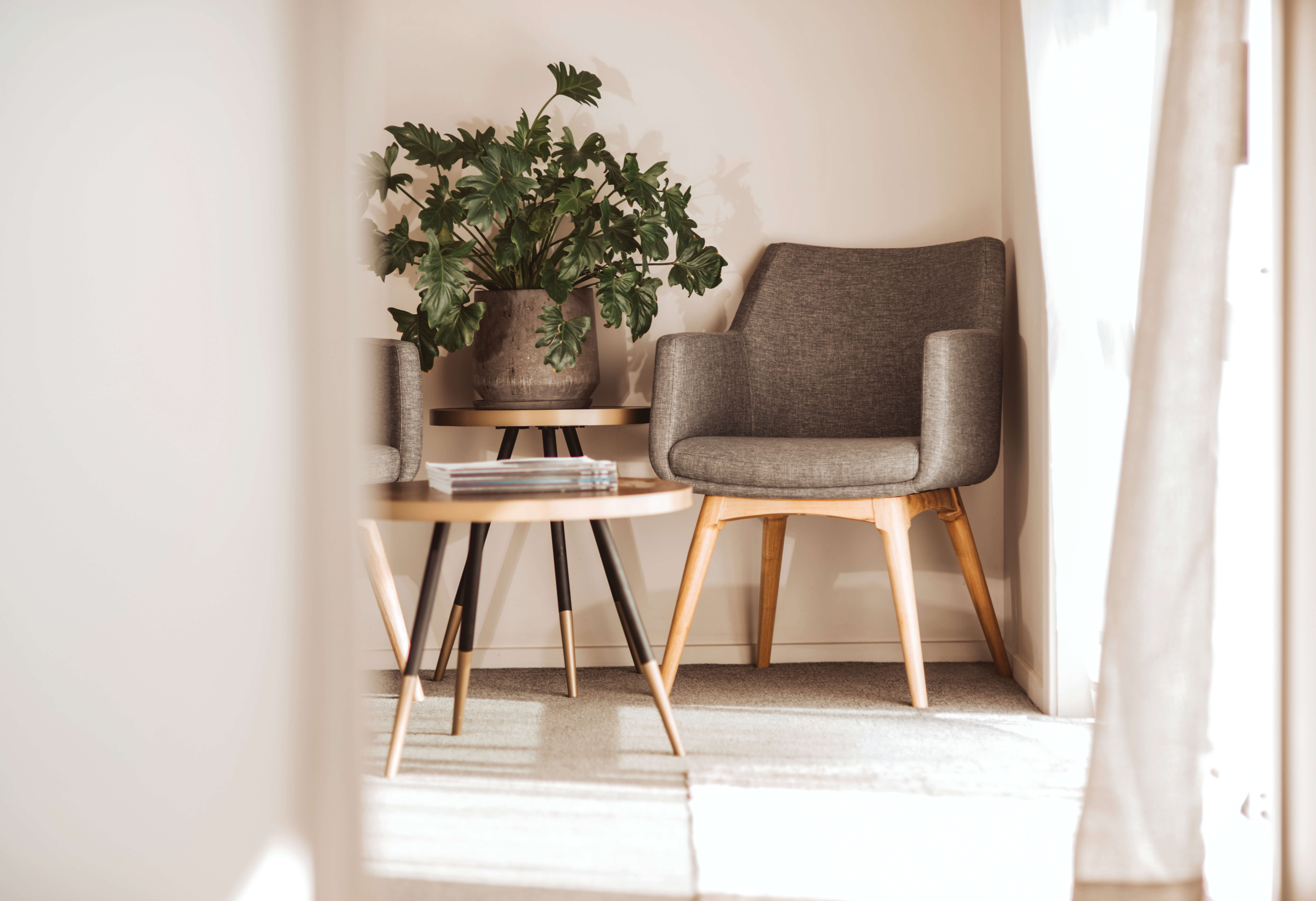
Maximise natural light by placing the comfy and chic Konfurb Hady in inviting, well-lit spaces.
Putting it into practice in the new ACCO/Buro working showroom
Toni’s advice comes at a fitting time. Buro was recently acquired by ACCO Brands, and we are currently reimagining the ACCO Brands Highbrook office in Auckland as an office furniture showroom concept that blends ergonomic seating solutions, smart layout, and flexible design.
“We wanted the Buro brand to shine while creating a multifunctional open-plan office that connects the teams and doubles as a user-friendly showroom,” Toni explains.
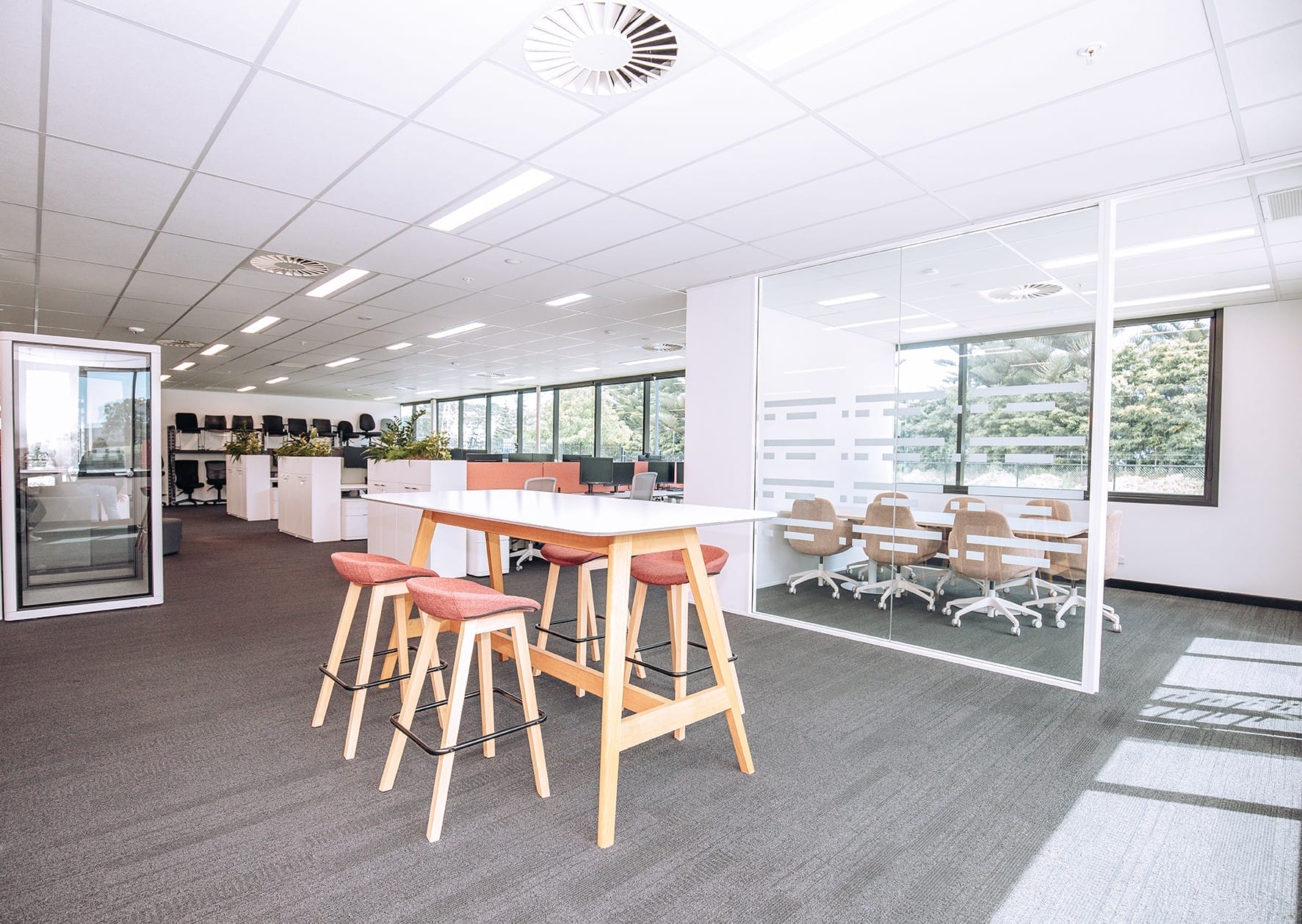
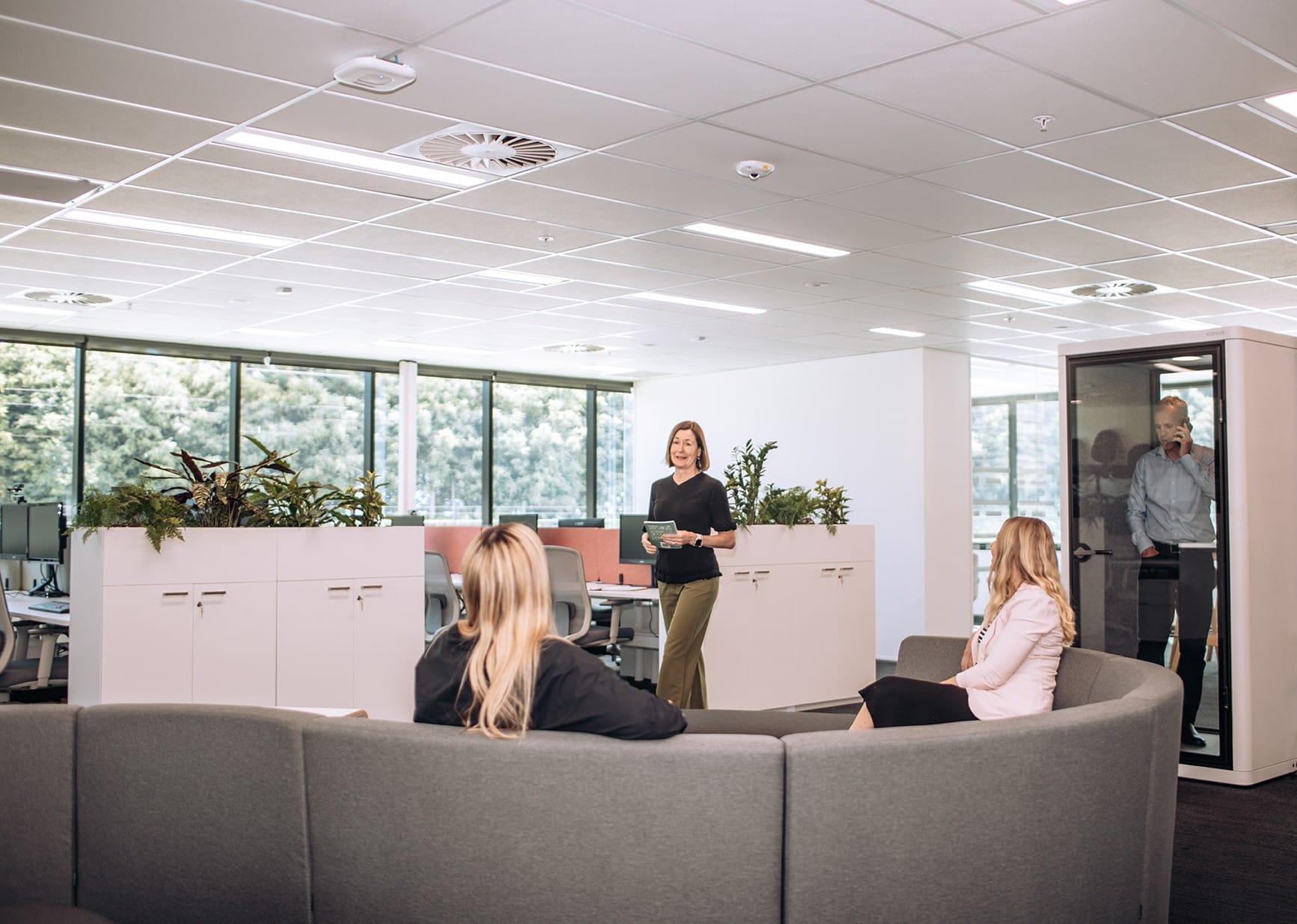
A flexible open-plan workspace created for connection, collaboration, and flow.
Toni focused on zone planning and flow. Storage units topped with plants by The Urban Garden bring in a touch of nature and divide the workspace and showroom without closing off the space.
“Furniture orientation was also key,” she adds. “High-back chairs and modular sofas can be configured to look great while directing sound away from the work zone.”
Konfurb Arco seating and Konfurb Gem ottomans allow for dynamic collaboration. Bar leaners and bar stools give staff space for informal catch ups. And the Koplus acoustic booths offer quiet spaces for private phone calls and team meetings.
The result is a perfect example of how Buro’s ergonomic chairs and office furniture perform in a real workplace, balancing openness with focus, aesthetics with wellbeing.
Planning an office fit-out?
Toni urges you to really explore the flexibility of your space. You want it to be adaptable and considered, so your team understands the flow and function.
“Talking through the process and options with a designer will help you design an open office that feels balanced. We do this every day!”
The new ACCO/Buro showroom is a great example of how thoughtful design, acoustic comfort, and ergonomic furniture can create an open workplace everyone will love. Make a time to come and see us!