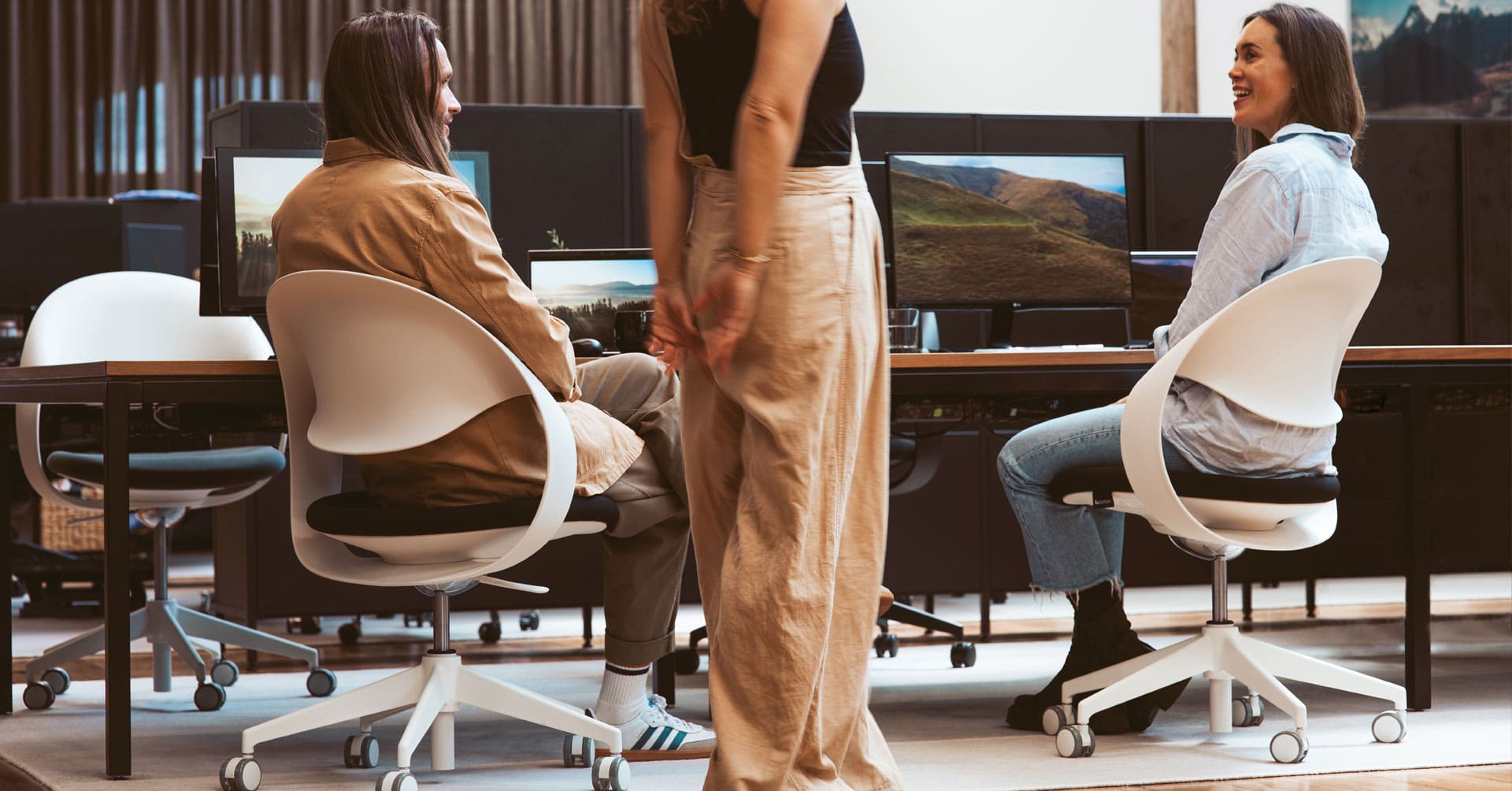
We all know what a distracted workday feels like: constant notifications, back-to-back meetings and that nagging sense you should always be available.
What if these days weren’t the norm? What if our workplaces protected our attention, so we finish the day feeling productive rather than worn out? What if we had brain-friendly workplaces?
Dr Mark Williams is a neuroscientist, bestselling author and international keynote speaker with more than 25 years’ experience researching and teaching how the brain shapes human behaviour. We spoke with Mark about what brain-friendly workplace design looks like, how AI is adding to cognitive load, and what organisations can do to help people work better.
What does a truly brain-friendly workplace look like in 2026?
“A brain-friendly workplace should treat attention as a budget rather than a renewable resource.”
In other words, our capacity for focused thinking is limited, so workplaces need to be deliberate about where and when that attention is used.
Most workplaces seem to assume that a person’s day has eight hours of what Mark calls “available cognition”. But it doesn’t. Mark says we may have only three or four hours of high-quality attention, with the rest spent coasting, recovering, and on administrative processing.
Mark says we should design our workplaces around this reality.
“Schedule the hardest thinking into the hours that actually exist, and stop distributing meetings as though every hour were interchangeable.”
How would organisations approach responsiveness?
“Response time should stop being a visible metric.”
Mark says things like green dots, read receipts and reply times can quietly become measures of performance, simply because they’re easy to see. The problem is that fast responses can start to look more valuable than focused, uninterrupted work.
A brain-friendly organisation would remove some of that pressure, making it clear that not every message needs an immediate response.
“There should be explicit escalation paths for genuine urgency, so that nobody has to monitor a channel just in case.”
Meetings are another area where attention can be easily lost.
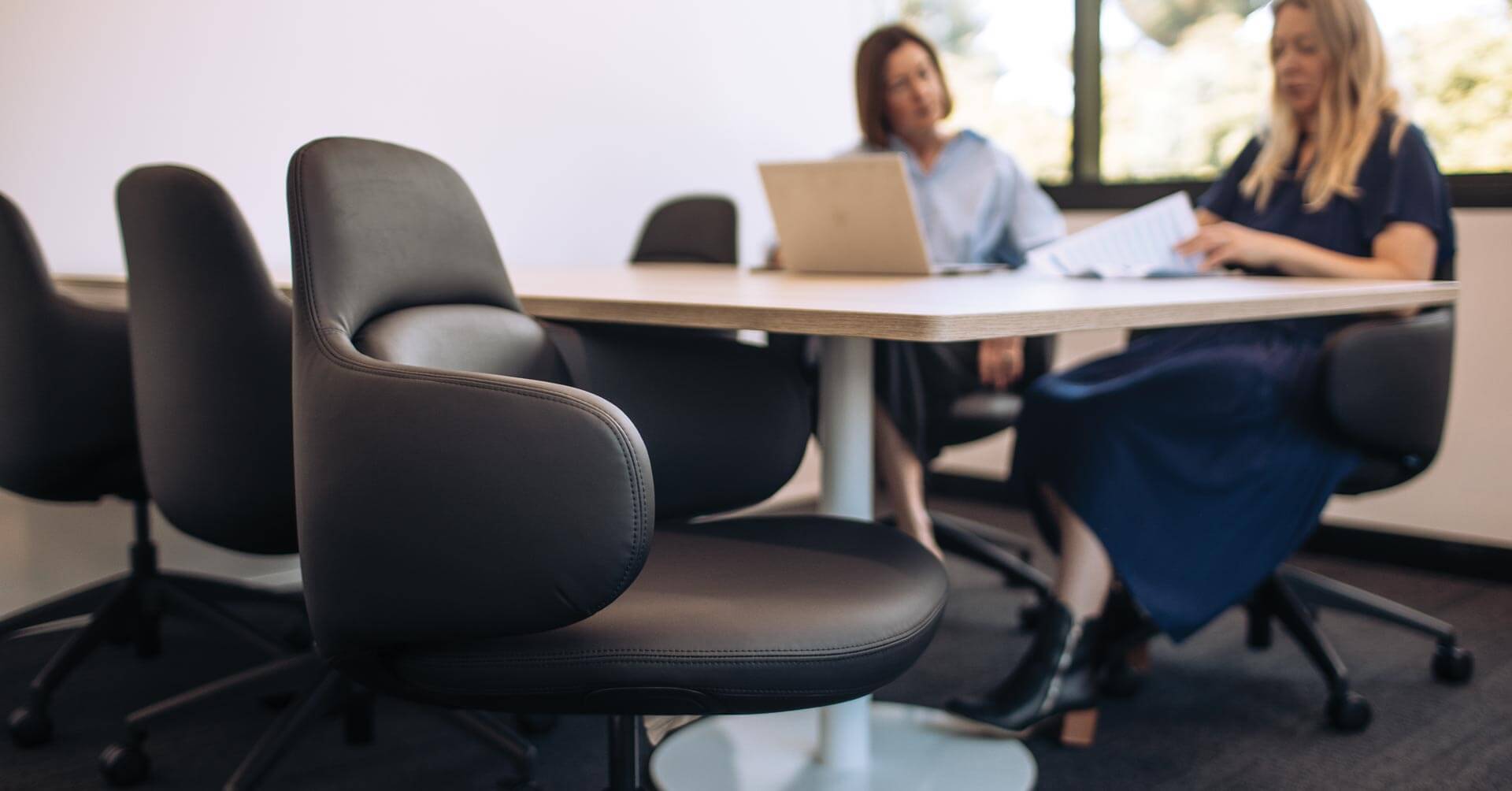
“A 60-minute meeting with eight people isn't an hour; it's eight hours plus the fragmentation damage to sixteen surrounding blocks.”
The true cost of a meeting includes the time it takes people to stop, switch focus, and get back into what they were doing.
“Organisations that take attention seriously make that arithmetic visible to whoever calls the meeting.”
How should workplaces support different ways of working?
“Space should be matched to task rather than to headcount.”
Mark says the real issue isn’t whether an office is open plan or made up of individual rooms. It’s whether people can move between different settings depending on what they need to do.
That could mean enclosed quiet areas for focus, small rooms for two-person problem-solving, and open spaces for genuinely social work.
“The failure mode isn't openness; it's uniformity. What is needed is an environment for every cognitive mode.”
How do workplaces accidentally undermine attention and performance?
One of the biggest mistakes is treating fast responses as a sign of productivity. When reply speed is the thing everyone can see, focused work can start to look like absence rather than progress.
Other problems include meetings scattered throughout the day, messages treated as urgent by default, and open-plan offices designed in the name of collaboration.
Interestingly, research found that face-to-face interaction drops by roughly 70% after companies move to an open-plan layout, while electronic messaging increases to compensate.
“The opposite of the stated goal.”
What happens in the brain when we switch tasks?
“The human brain cannot multitask.”
Instead, we rapidly switch from one task to another, and every switch comes at a cost. The brain has to reload what it was doing, while part of our attention can stay stuck on the previous task.
That means the next thing we turn to gets less of our full attention.
The average time spent on a single screen before switching is now around 47 seconds, down from about 2.5 minutes twenty years ago, and interrupted tasks can take significantly longer to resume.
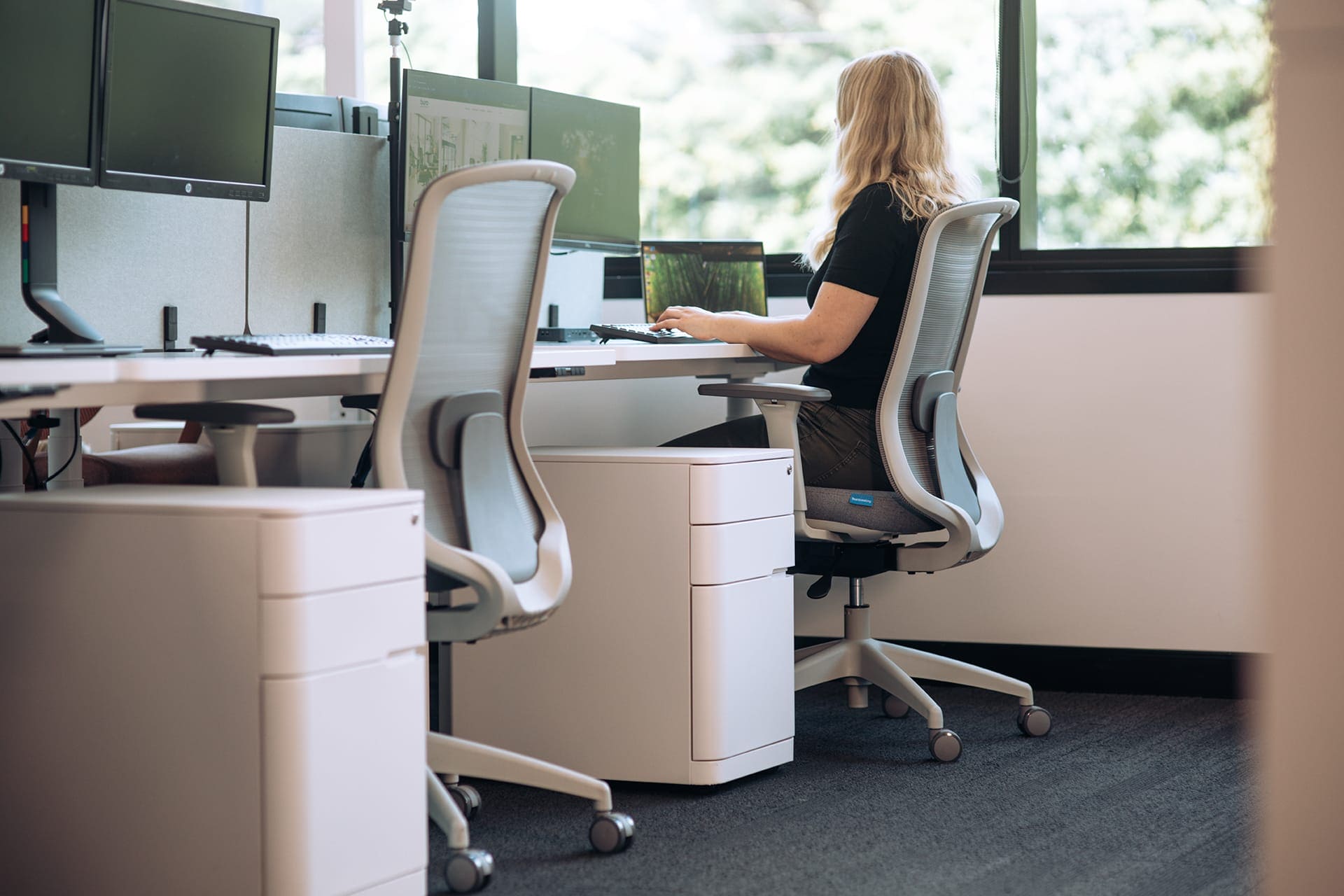
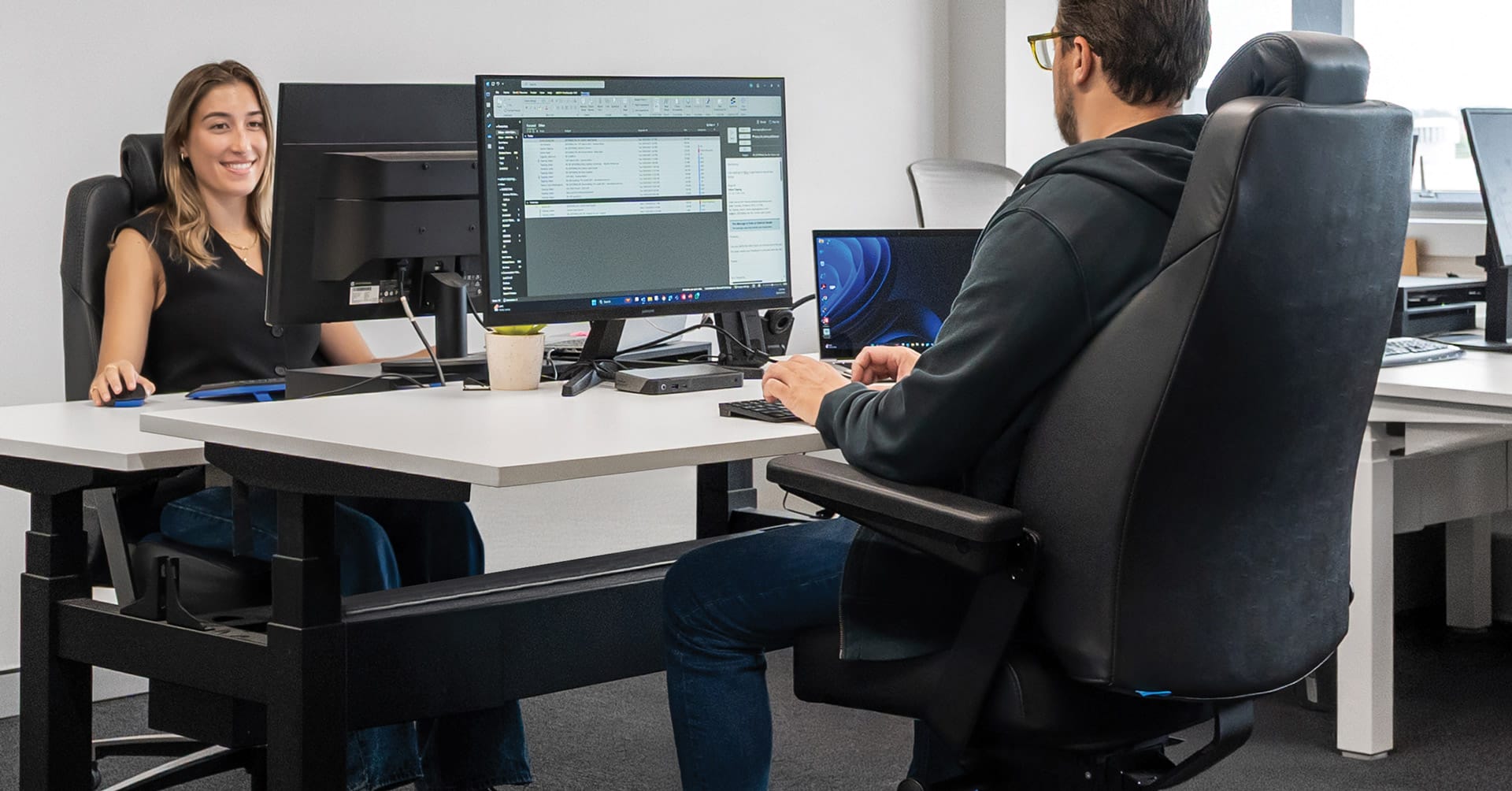
The Buro Syntra Height Adjustable Desk range gives people the freedom to change position throughout the day.
How is AI affecting attention and cognitive load?
“AI shifts effort from production to verification.”
Mark says the challenge is that checking AI-generated work is not necessarily easier than creating it. To judge whether something that sounds convincing is actually correct, people still need the knowledge and expertise to assess it properly.
AI also increases the sheer volume of work that can be produced. More drafts, reports and ideas mean more material for people to review, and that evaluation still takes time and attention.
Research from Microsoft Research and Carnegie Mellon University also found reduced critical thinking effort when workers had higher confidence in AI outputs.
“Quality is the cost of quantity.”
What makes an office worth the commute?
Mark says the strongest case for being in the office is the work that genuinely benefits from people being together: building trust, repairing misunderstandings and learning by watching more experienced colleagues.
“Rows of desks serve none of that.”
If the office is optimised for solo focus work, Mark argues that remote work will often win.
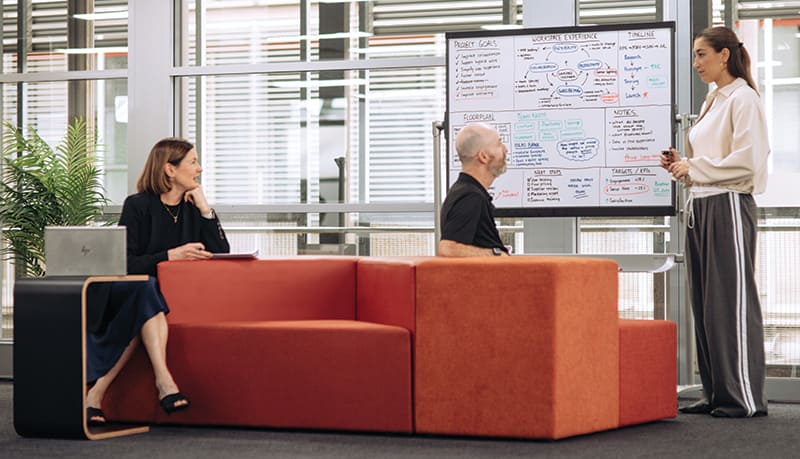
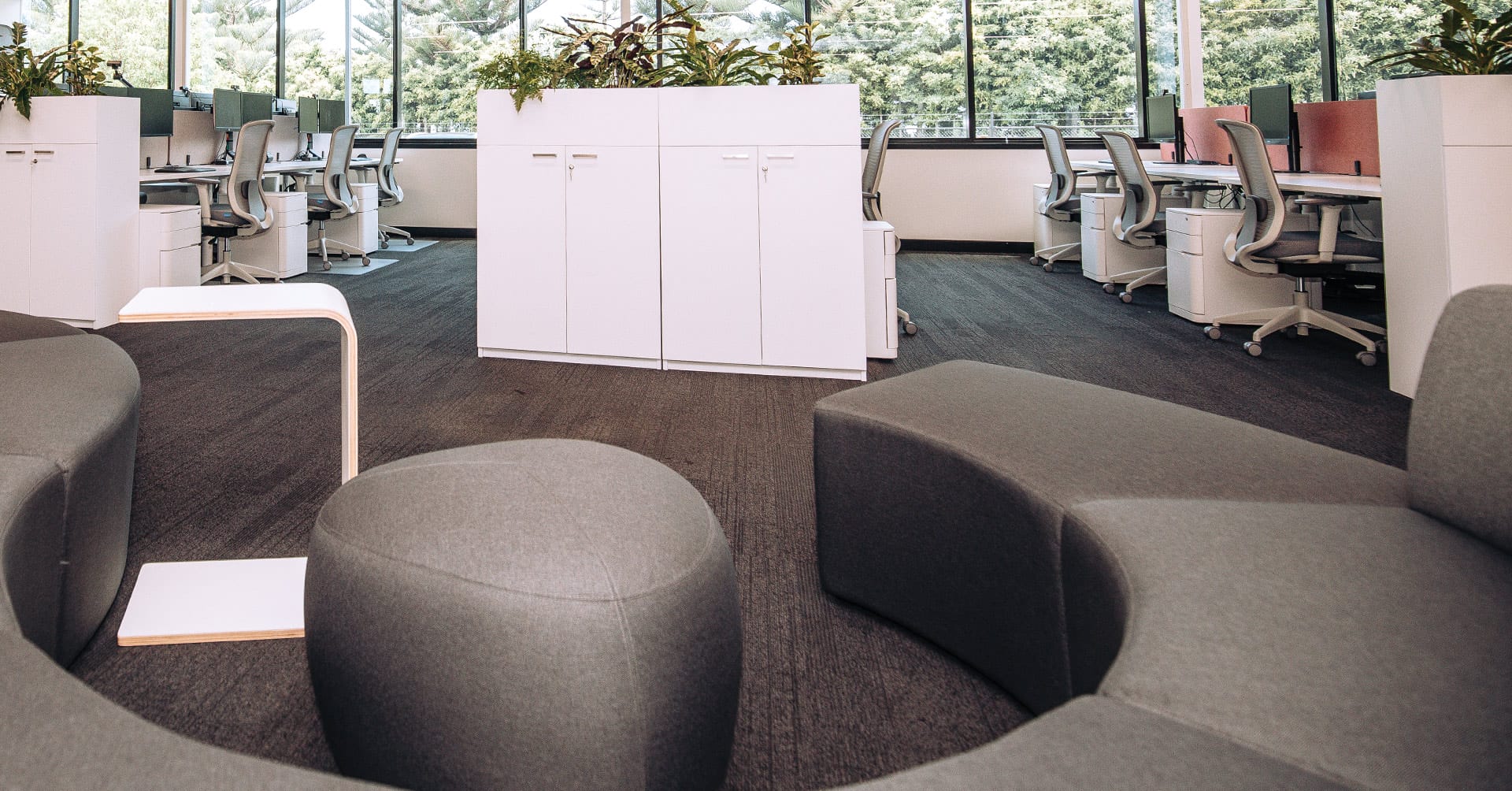
Soft seating provides spaces for team work.
What should employers prioritise in workplace design and behaviour?
For Mark, the practical priorities are clear:
- acoustic control and genuinely protected quiet zones
- varied space types matched to task
- daylight exposure and plants for circadian regulation and wellbeing
- scheduling that concentrates collaboration into shared days rather than scattering it
He points to Atlassian and Canva as organisations already putting some of these principles into practice.
“They both try to reduce cognitive load with clear, structured workflows. They have psychological safety as a core leadership metric. Flexible work, which reduces cognitive strain and supports autonomy. Neurodiversity hiring pathways with structured communication and predictable processes. And meeting-light cultures to reduce cognitive overload.”
These examples show that a brain-friendly workplace isn’t only about the physical environment.
“Most importantly, the leaders' behaviour would be understood as the actual policy.”
That means looking at things like default calendar settings, whether messaging tools create pressure to respond, what gets publicly praised, and how leaders behave themselves.
“A leader who sends messages at 11 pm has overridden every written policy about boundaries.”
What are you helping organisations with right now?
“I’m currently focused on helping organisations understand how modern environments shape the brain, and how evidence-based, human-centred practices strengthen attention, innovation, wellbeing and connection, increasing productivity.”
These themes run throughout Mark’s books, keynote presentations, media interviews and articles, all of which can be found on his website.
References
- Bernstein, E. and Turban, S. (2018). The Impact of the ‘Open’ Workspace on Human Collaboration. Harvard Business School / Harvard University.
- Mark, G. (2023). Regaining Focus in a World of Digital Distractions. University of California, Irvine; Steelcase.
- Lee, H-P. et al. (2025). The Impact of Generative AI on Critical Thinking: Self-Reported Reductions in Cognitive Effort and Confidence Effects from a Survey of Knowledge Workers. Microsoft Research and Carnegie Mellon University.
Designing workplaces with the brain in mind
A good workplace doesn’t just look good on paper. Its design should make it easier to focus, work well with others and move between different kinds of work without unnecessary friction.
For more on how workplace design is evolving, take a look at Buro’s Workplace Design Trends Report.