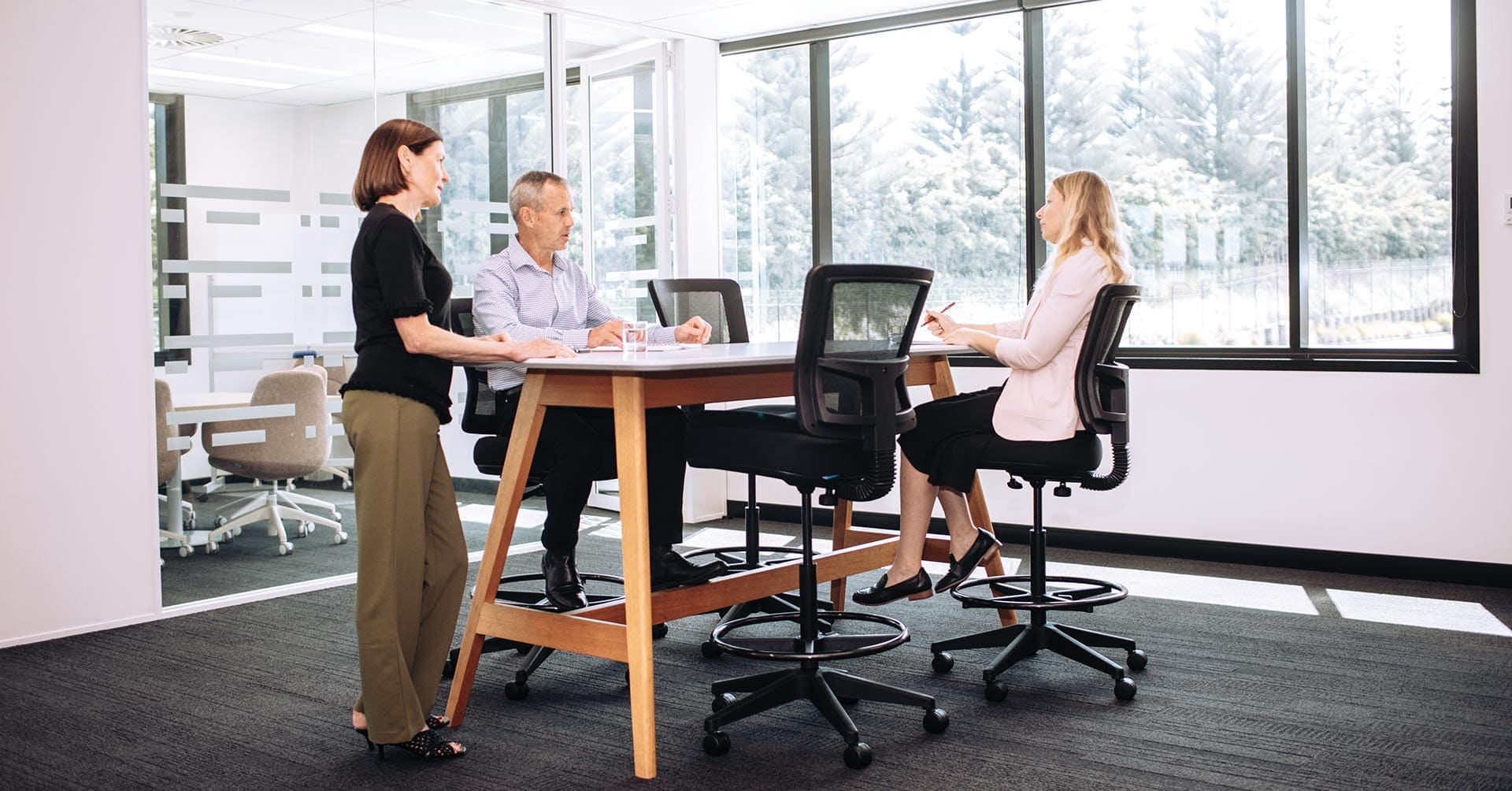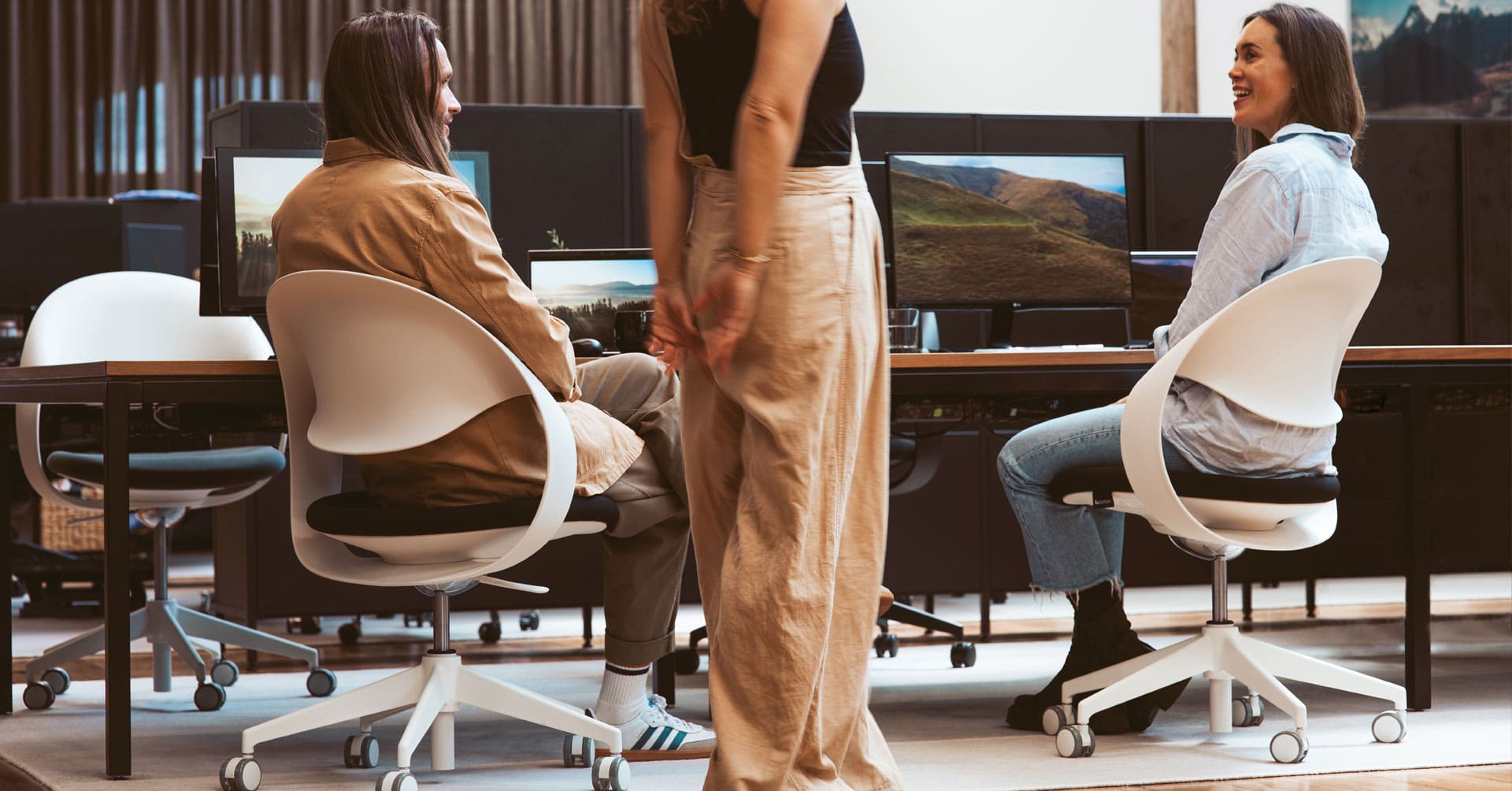
A fit-out tends to show how well it’s been planned within the first year or two. The chair that was fine at the start can become uncomfortable. Meeting rooms can feel tighter than expected. Storage can be an afterthought that teams end up working around.
Getting commercial furniture right for an office fit-out comes down to decisions made early, before anything gets ordered. This guide covers what those decisions are and how you can get them right.
Start with the brief, not the catalogue
Before choosing any products, it helps to map the space by how it will actually be used, not just by headcount or square metres, but by activity.
Most commercial offices include a mix of zones:
- Task workstations where people spend most of their day.
- Meeting and collaboration spaces that are used intermittently by groups.
- Reception and waiting areas that shape first impressions.
- Breakout spaces that support informal work and downtime.
Each has different functional needs, different levels of use, and different seating requirements.
At this stage, it’s also worth having conversations with the people who will be using the space. How do they actually work? Where do things slow down? What do they tend to avoid in the current setup? These insights often reveal gaps that don’t show up on a floor plan.
Starting with this level of clarity means you’re selecting office fit-out furniture with purpose, rather than choosing products first and trying to make them fit later. It also helps create a more consistent feel across spaces.
Ergonomics is the non-negotiable
Most people spend between five and seven hours a day in their task chair, so comfort over time matters.
In a commercial context, ergonomics means more than lumbar support. A chair should adjust to the person using it across seat height, seat depth, armrest and back support.
For high-use environments, look for seating that carries AFRDI 142 certification. That standard tests for the structural and functional demands of genuine commercial use, not the lighter requirements applied to residential furniture.
Buro's ergonomic chair range covers task seating for standard office environments through to heavy-duty 24/7 use, with options across mesh and upholstered finishes to suit different spaces.
Match durability to use intensity
Not all furniture marketed as commercial grade performs the same way. Chairs used all day by a rotating team has different requirements from chairs used for occasional meetings. It’s an easy detail to miss during planning.
Observing how spaces are used across a typical week can help pinpoint these differences early on.
For task workstations, prioritise frame construction, mechanism quality, weight ratings, and durable upholstery. In event conference spaces priorities shift towards stackability, strength, and ease of movement.
Buro's conference chair range includes stacking and sled-base options built for commercial use, with finishes and configurations suited to training rooms, and event spaces.
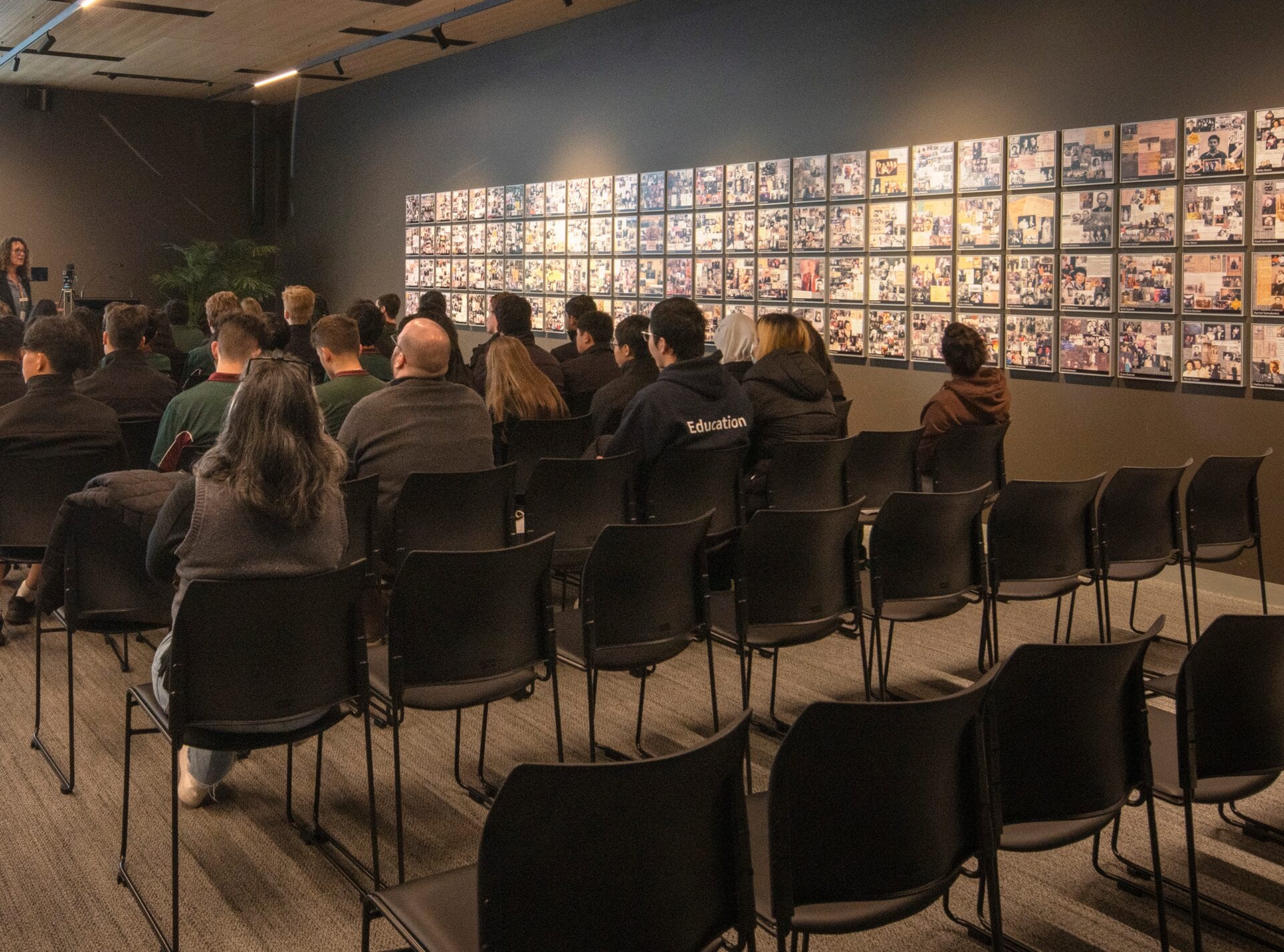
Buro Maxim conference chairs, featured in the Melbourne Holocaust Museum.
Desks, storage, and the workspace as a system
Seating often gets the most attention, but desks and storage play just as important a role in how a workspace functions.
A well-specified chair paired with the wrong desk, or with storage out of reach, creates small points of friction that build up over time. These details shape how people work day to day.
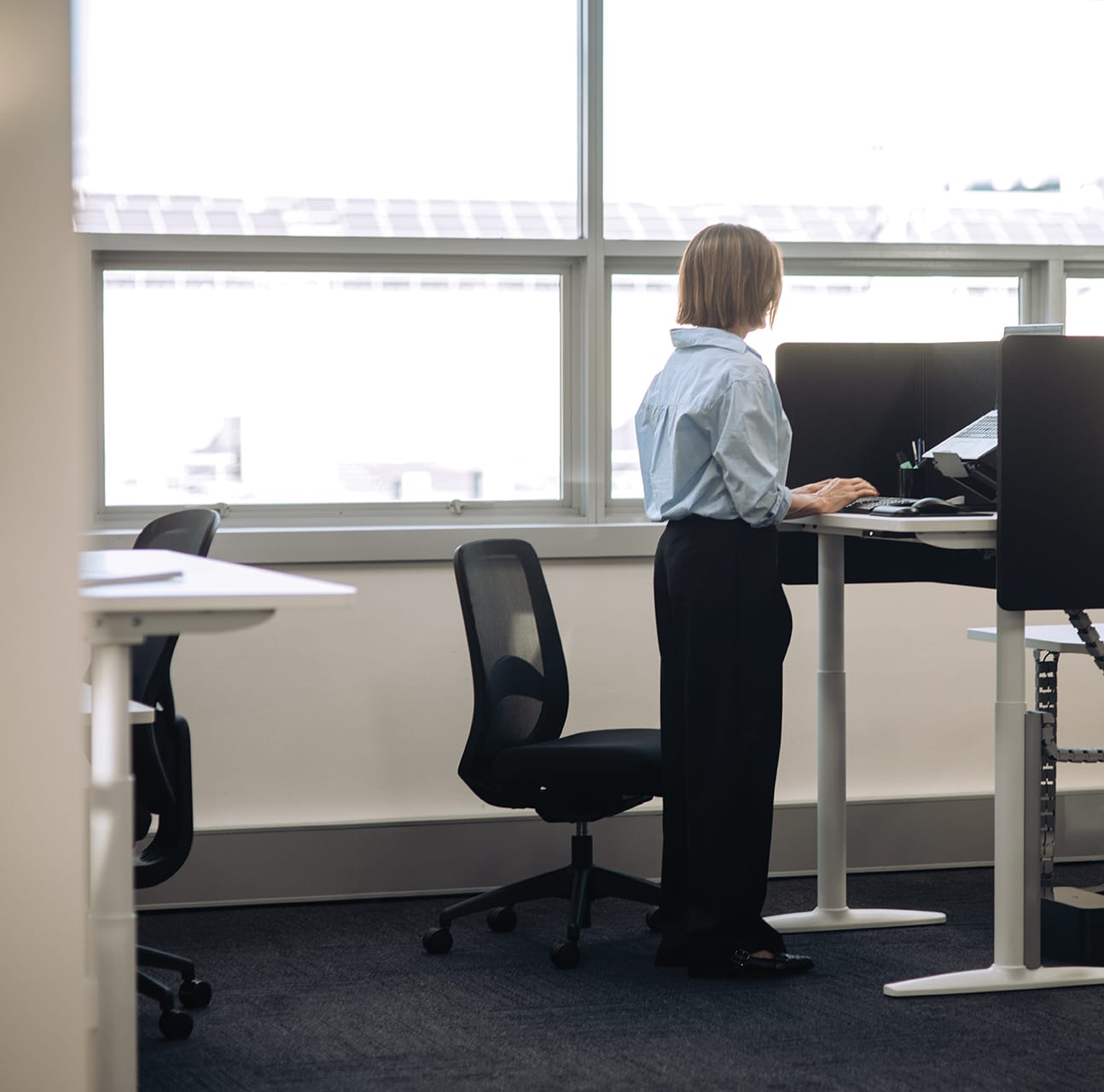
Height adjustable desks have become standard in most Australian commercial fit-outs. Moving between sitting and standing throughout the workday reduces the physical load of prolonged sitting and gives people more control over their comfort and focus. Buro's height-adjustable desk range includes single and back-to-back configurations suited to open-plan environments.
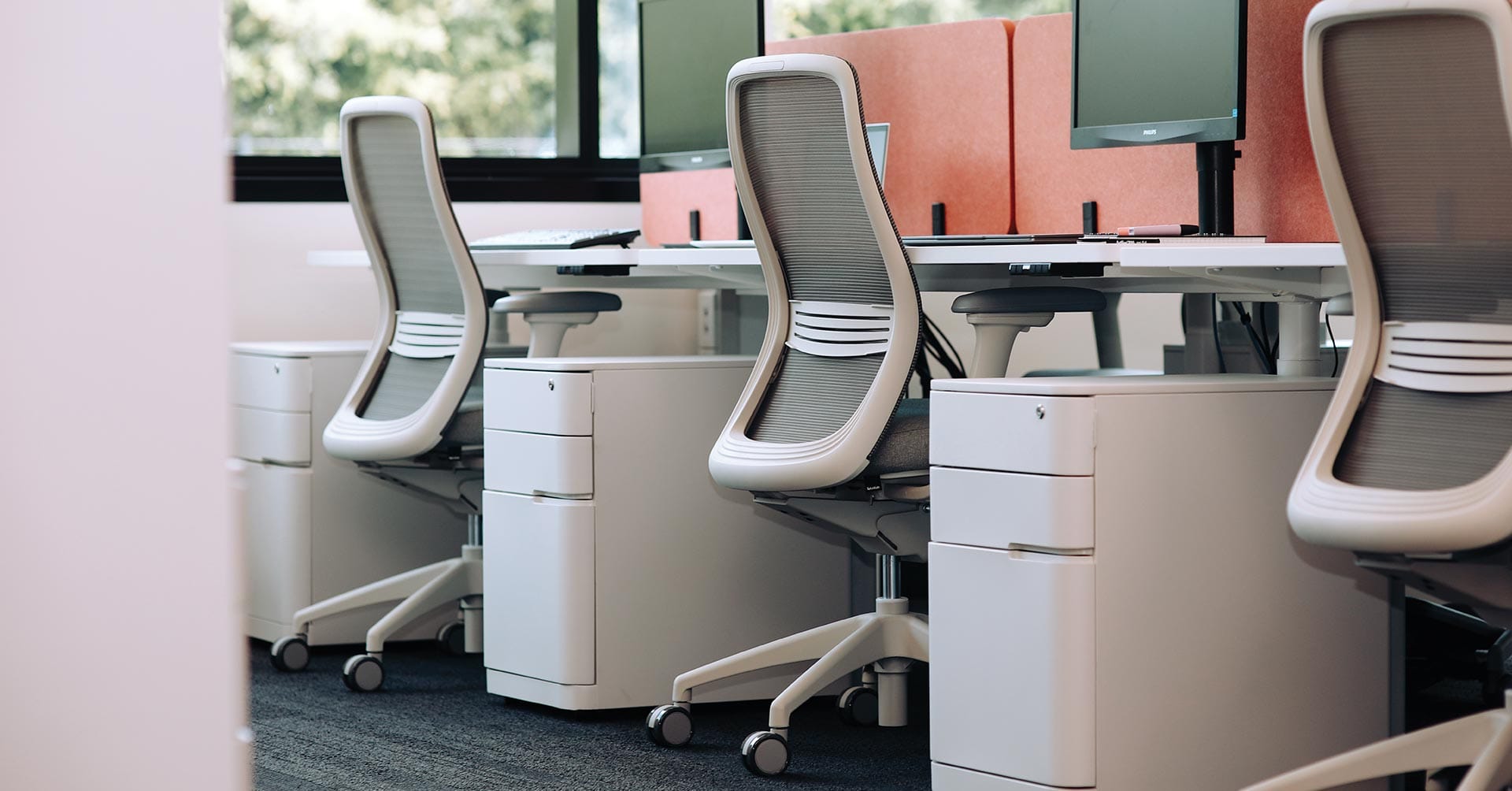
Storage is often underspecified. The Buro MyWorkSpace Mobile Pedestal sits alongside the workstation on locking castors, with lockable drawers and a powder-coated steel build. It keeps surfaces clear and essentials close.
These details often become clearer once people are in the space. Following up with teams after move-in can highlight where small adjustments, like desk positioning or storage access, make the biggest difference.
Design cohesion across every zone
Once function is resolved, how the space feels matters, especially in client-facing areas.
Cohesion doesn’t mean everything needs to match. It comes from making sure choices across zones relate to each other through finishes, materials, and overall style.
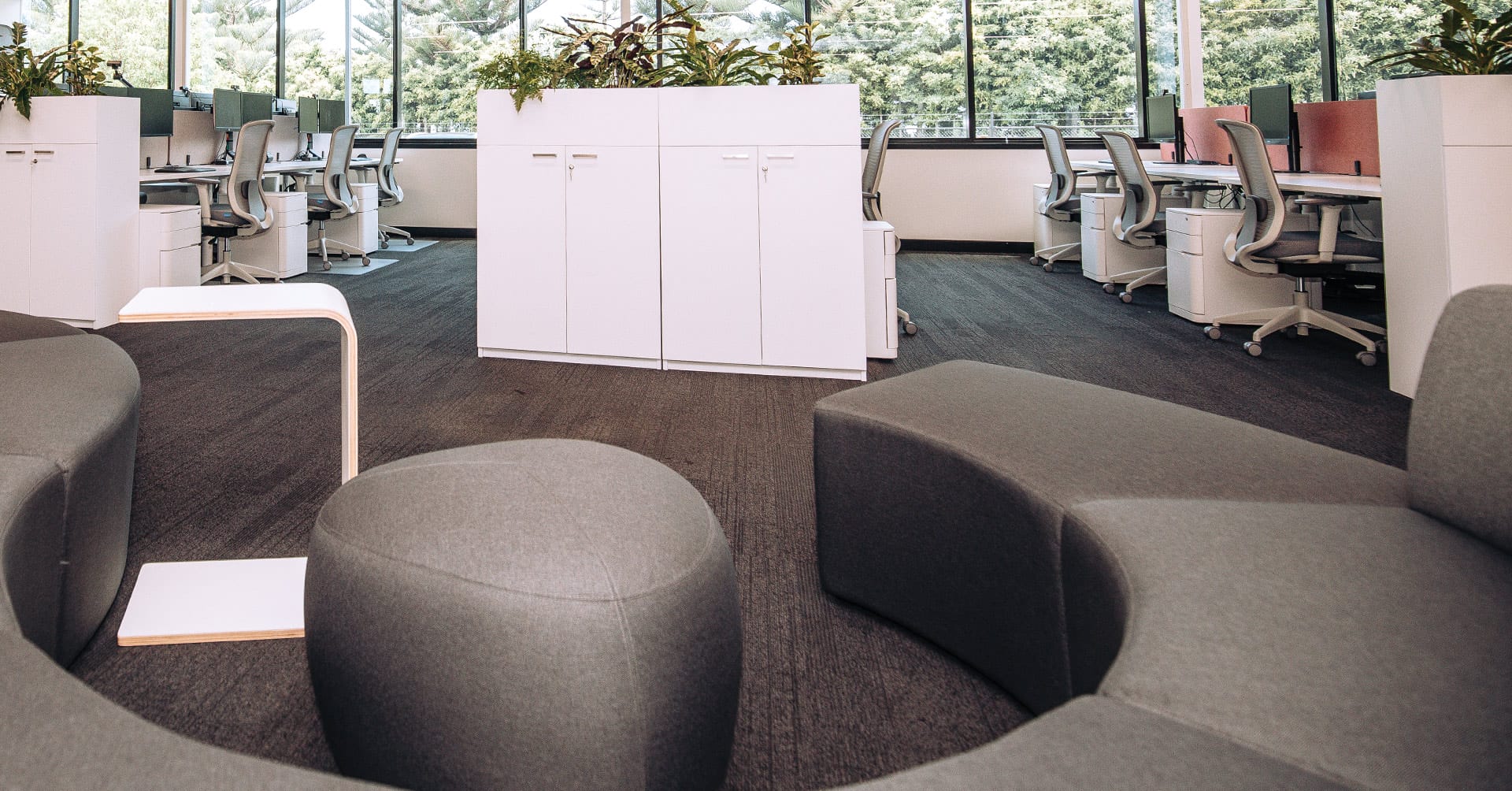
Reception and breakout areas are often where this is most visible. Soft seating like the Konfurb Arco Series should sit comfortably alongside the task seating in the rest of the space.
These shared spaces are also where people pause between tasks—meeting briefly, resetting, or connecting. How they feel is just as important as how they look.
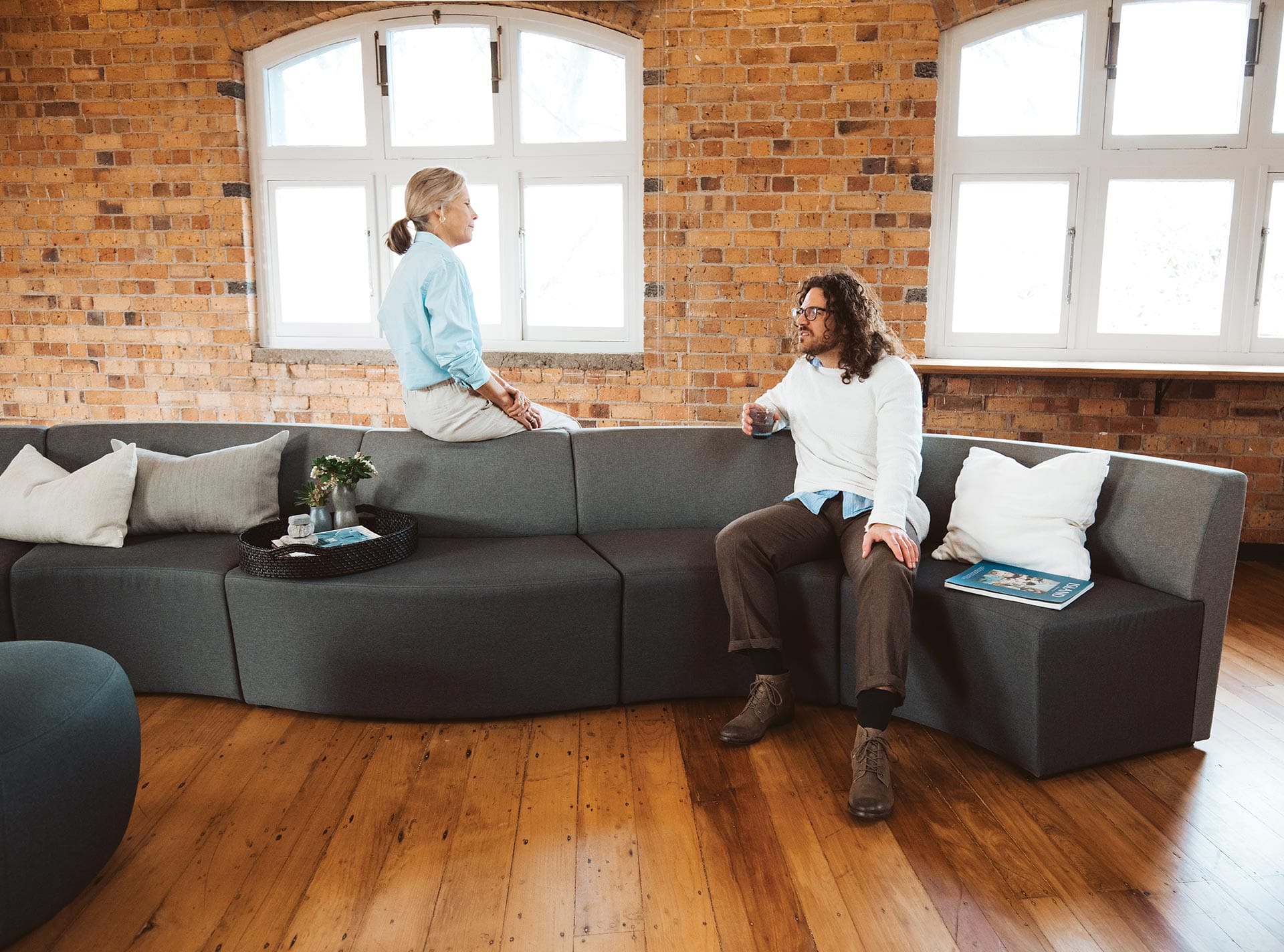
Konfurb Arco Series soft seating.
Plan for flexibility from day one
Most fit-outs are designed for how a business works at the time of the refit. The reality is that businesses change. Teams grow and reorganise. Hybrid working shifts how different spaces get used week to week.
In many cases, how a space is used six months in looks different from day one. Checking in with teams after they’ve settled in can highlight where flexibility is working—and where it needs to be built in further.
Furniture that can adapt without full replacement is worth thinking about early. Stackable conference chairs free up space that needs to serve multiple purposes. Height adjustable desks accommodate new team members without reconfiguring the layout.
Building this flexibility in from the start is usually more efficient than trying to retrofit it later.
Choosing commercial furniture for the long term
Fit-outs that holds up well over time rarely comes down to budget alone. They come down to decisions made early—and the input that shapes them.
The most effective spaces are guided not just by planning, but by feedback before, during, and after the move.
Buro supplies commercial furniture across Australia for workplaces, healthcare environments, and educational settings. Browse the full commercial furniture range or contact the Buro team to discuss project specification support.