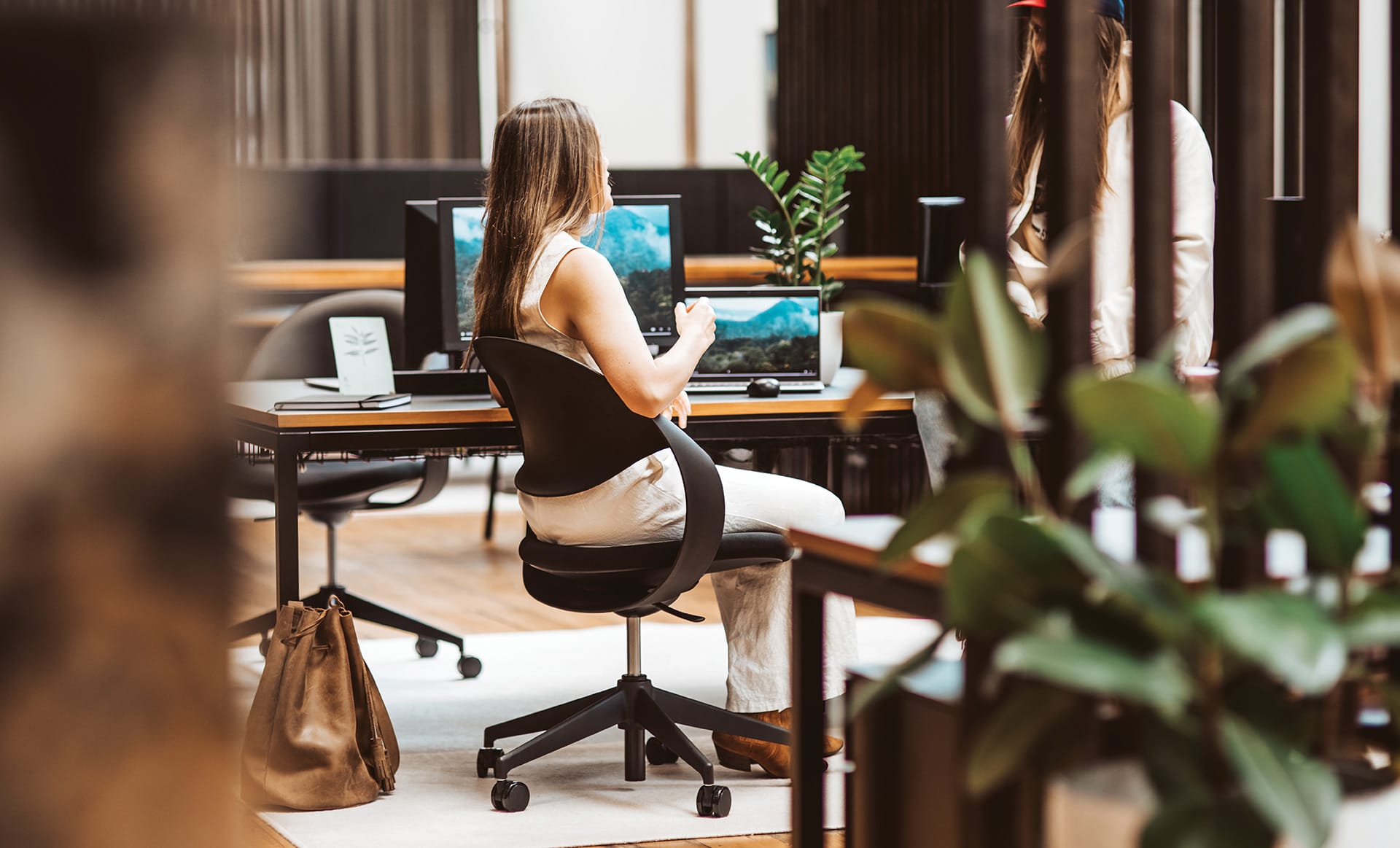
The office is having a renaissance. After years of hybrid experimentation and rapid workplace change, 2026 office design trends are ushering in a new era. The world’s leading designers and workplace strategists are shifting their focus toward flexibility, wellness, and meaning, crafting offices that feel more like vibrant micro-communities than corporate floor plans.
AI is everywhere, sustainability is the new status symbol, and commercial furniture has become a genuine engine of culture and productivity. Whether you're planning a full redesign or simply keeping your finger on the pulse, the next wave of office design is impossible to ignore.
Here are the seven office design trends set to shape the way we work, think, and collaborate in 2026.
1. Sustainable materials & circular furniture systems
Office design in 2026 prioritises circularity, transparency, and materials that reduce environmental impact at every stage of their life cycle. Designers are choosing furniture made from:
- recycled steel and aluminium
- FSC® certified wood
- plant-based acoustic panels
- low-VOC finishes
- recyclable or modular components
There’s also growing demand for take-back programs, longer warranties, and furniture built for repair rather than replacement.
Commercial furniture that adopts a circular design approach not only reduces waste but also supports long-term investment. Buro’s focus on sustainability positions its seating as a natural fit for future-ready, sustainable workplaces.
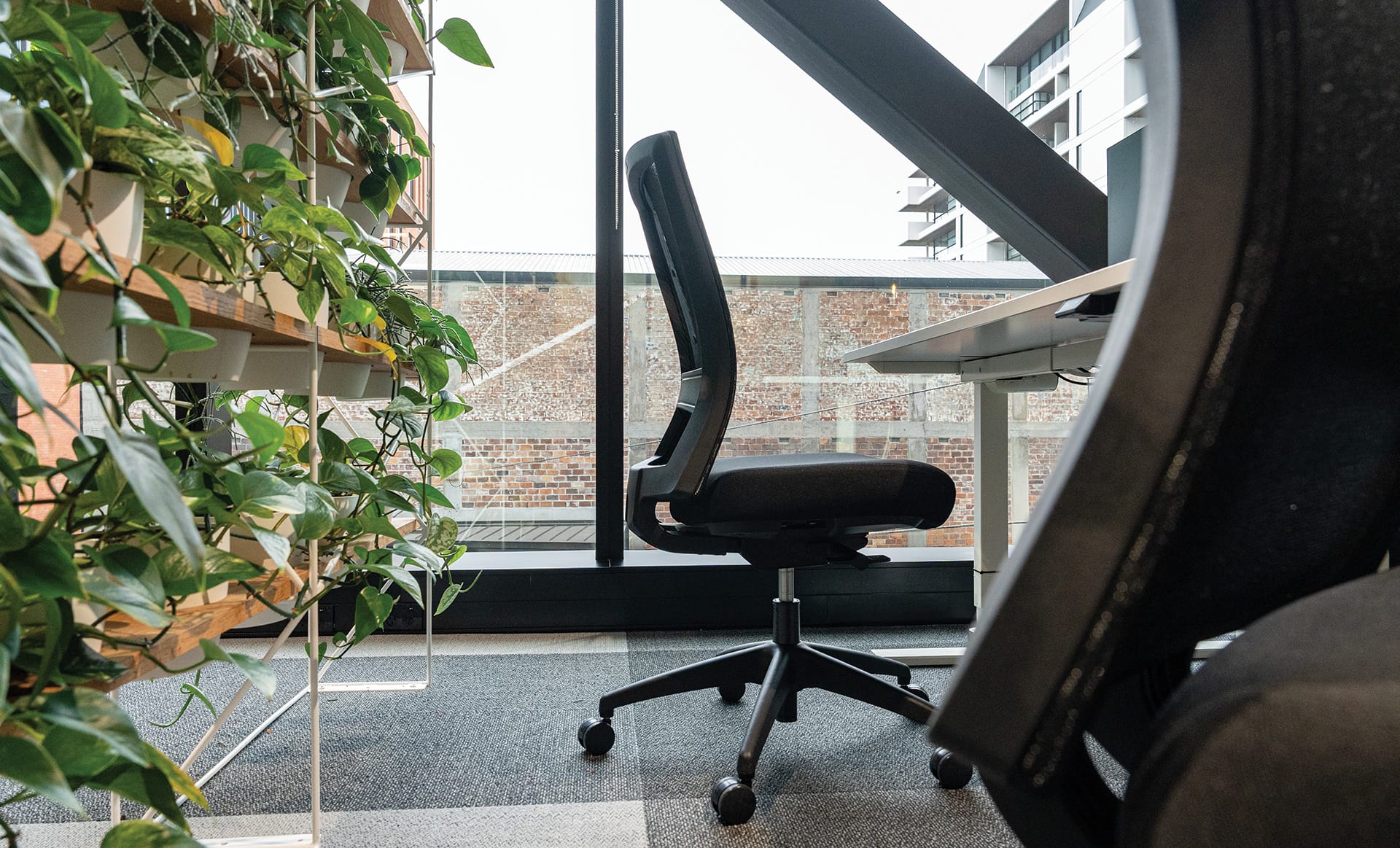
The Buro Mentor chair uses FSC ® certified wood.
2. Modular workspaces & reconfigurable furniture
Offices are no longer static places with fixed teams, fixed desks, and fixed expectations. In 2026, the most effective workplaces are modular, powered by furniture that can be reconfigured on demand. Think:
- movable walls and dividers
- lightweight seating that shifts between zones
- modular lounge systems
- acoustic pods
- multi-use 'third spaces' designed for quick chats or pop-up collaboration
Layouts that once took weeks to change can now shift in minutes. This level of adaptability creates offices that scale with teams, projects, and priorities. Buro’s flexible seating options support this shift, ensuring businesses can redesign their workspace as often as their ideas evolve.
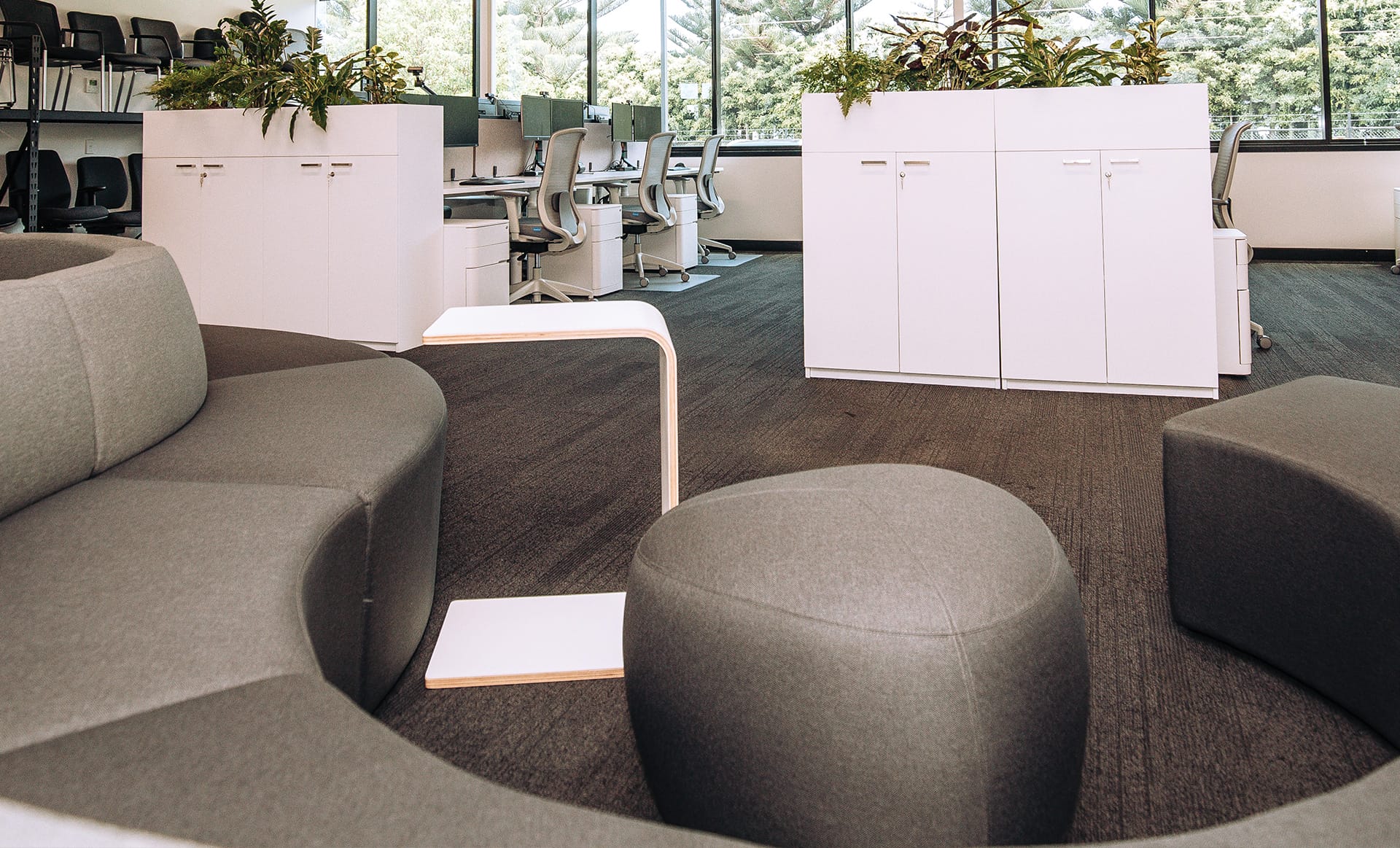
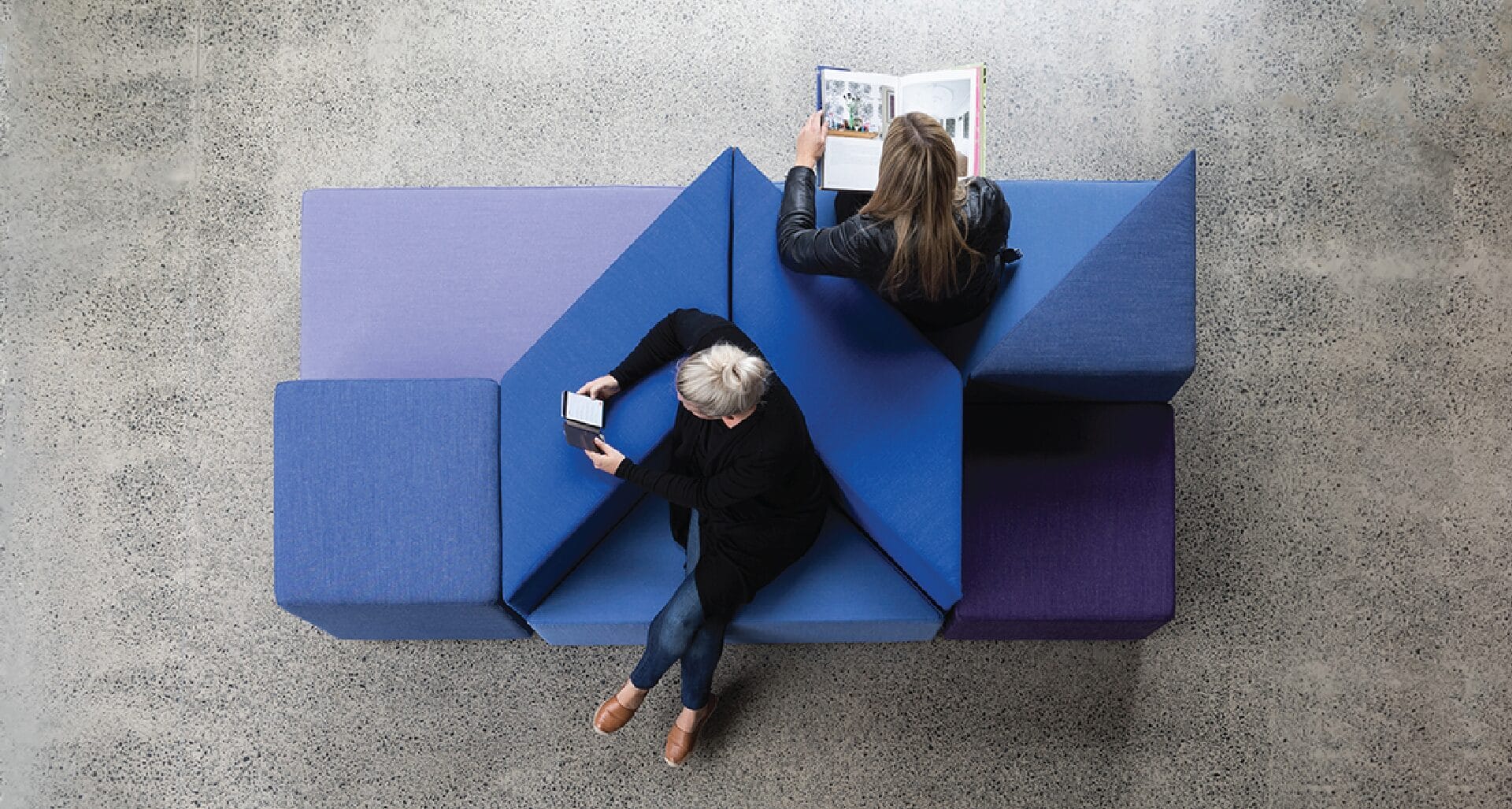
The Konfurb Arco seating and Konfurb Gem ottoman create a modular lounge system that can be easily reconfigured, complemented by the lightweight Konfurb Link table that’s easy to move between zones.
3. Ergonomics combined with aesthetics ('workspitality')
In 2026, ergonomics and aesthetics finally converge. Instead of choosing between comfort and style, designers are embracing workspitality. Workspitality is a design philosophy blending workplace functionality with the warmth, comfort, and ambience of hospitality spaces. This approach means:
- soft, sculptural forms
- calming colour palettes
- natural textures
- ergonomic chairs that double as design features
- furniture that elevates both well-being and visual identity
It’s about offices that people actually want to be in, spaces that feel curated, human, and inspiring. Buro’s seating exemplifies this fusion, offering contemporary designs like the Konfurb Luna or Buro Elan that slot seamlessly into modern interiors while still delivering health-first ergonomic support.
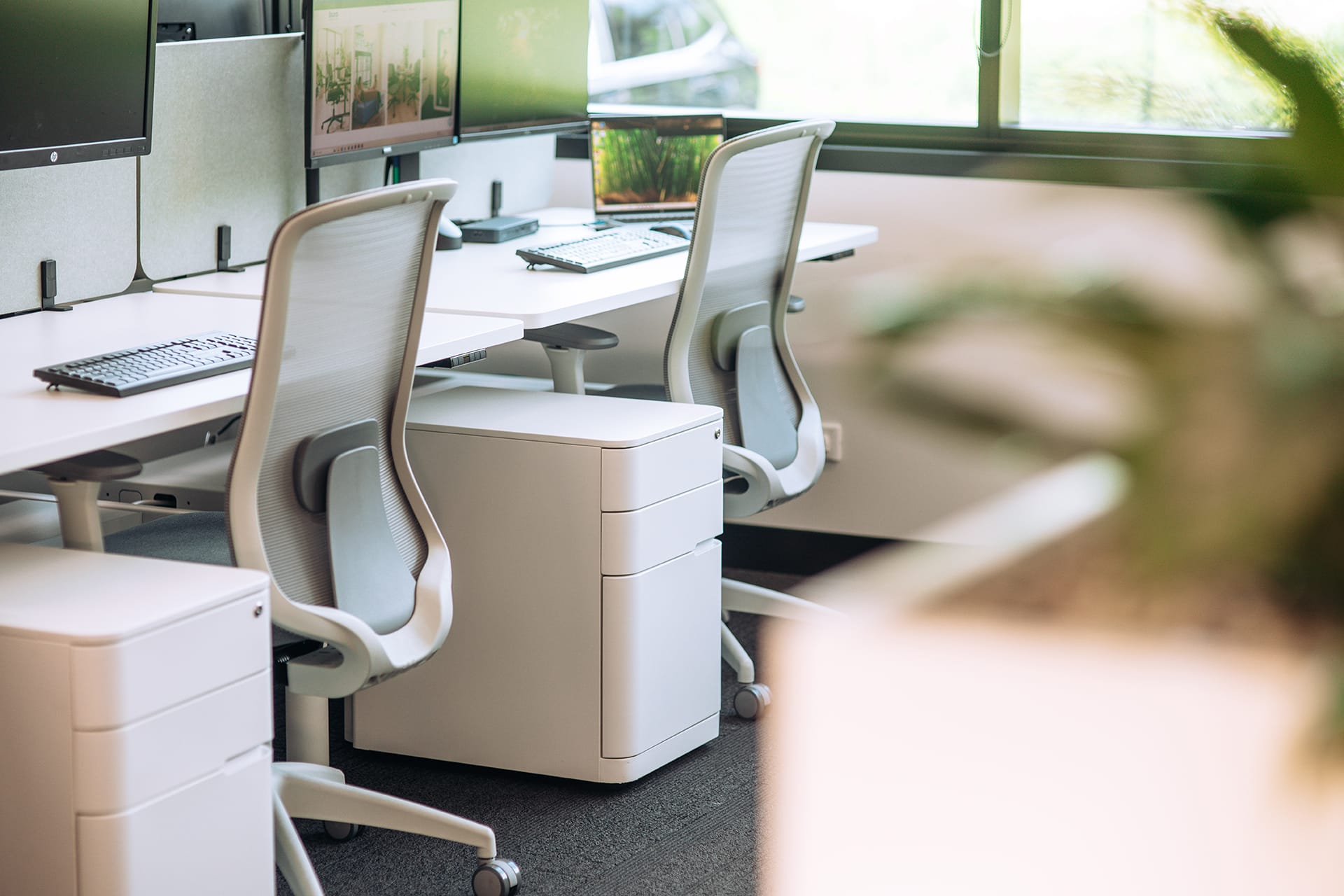
In the ACCO/Buro Auckland office, light grey Buro Elan chairs create a calming atmosphere while supporting the team ergonomically.
4. Smart, sensor-driven workplaces
Smart workplaces are no longer futuristic; they’re becoming the norm. Offices are now integrating AI, real-time sensors, and responsive systems that adjust environments automatically. Key examples emerging globally include:
- occupancy sensors that rebalance lighting and temperature
- circadian lighting systems
- personalised climate zones
- AR/VR collaboration tools
- AI-optimised workflows
- air-quality and noise-level monitoring
These tools help employees feel comfortable and focused while supporting sustainability targets. Smart tech works best when paired with ergonomic furniture that supports long hours of deep focus or collaboration, which is why adjustable, long-lasting task chairs remain a must-have in tech-enabled environments.
5. Third spaces: the new heart of the office
Hybrid work means employees no longer come to the office for desk time; they come for connection, creativity, and collaboration. That’s why third spaces are booming in 2026. Third spaces are the in-between zones that sit somewhere between a workstation and a meeting room, informal, social, flexible areas designed for quick conversations, team bonding, quiet thinking, or spontaneous collaboration. Examples include:
- cafés and coworking lounges
- terraces, rooftops, and courtyards
- soft seating corners
- branded client lounges
- casual breakout and huddle zones
The best ideas often happen outside meeting rooms, and now offices are designed that way. These spaces bring warmth, personality, and community into the workplace while supporting informal collaboration.
The right commercial furniture makes these areas functional and inviting, from ergonomic lounges to flexible seating that shifts effortlessly between work and rest.
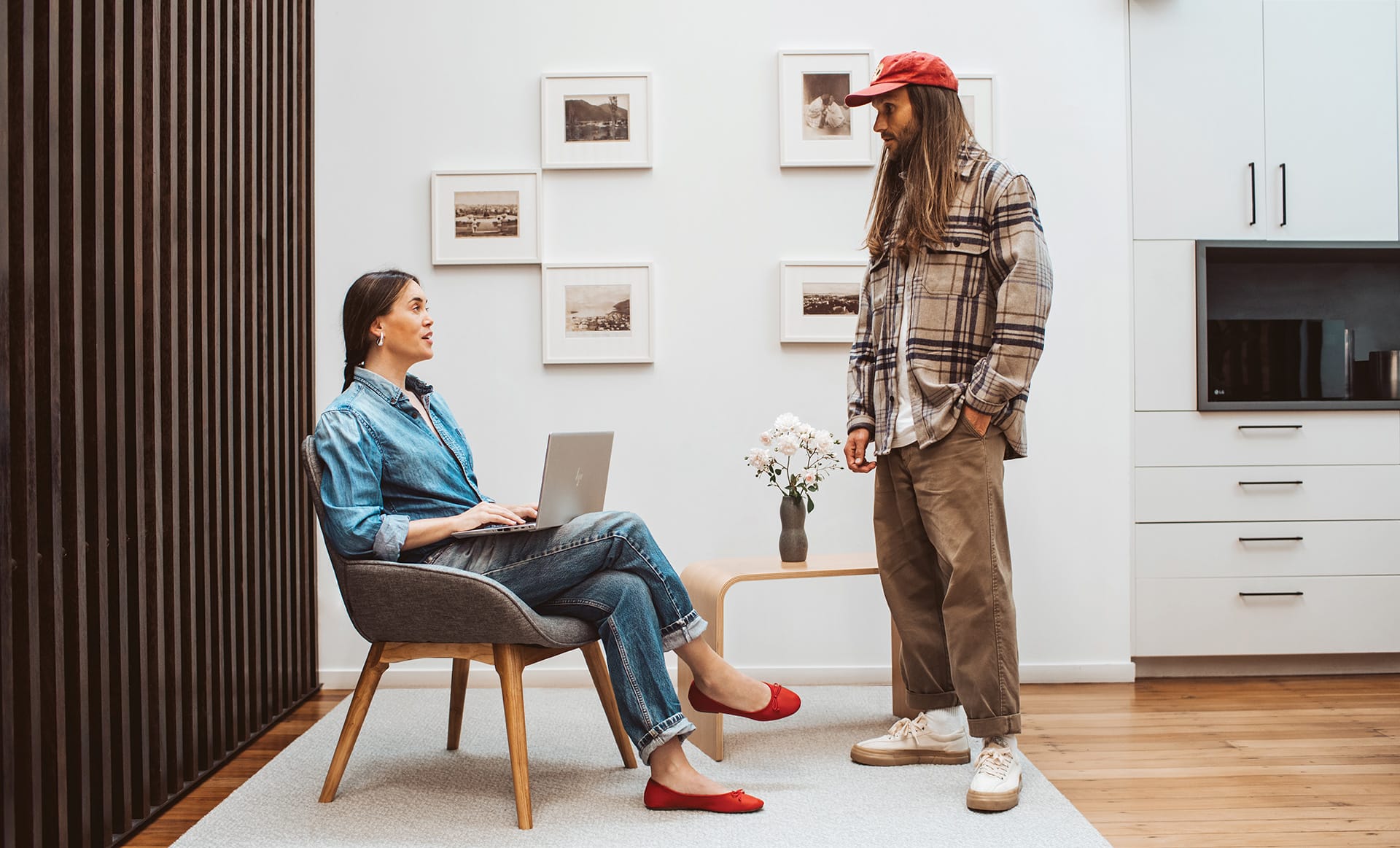
Casual breakout zone featuring Konfurb Neo and Konfurb Link.
6. Wellness-centric design & spaces of belonging
Employee well-being has officially shifted from 'nice-to-have' to core business strategy. Workplaces in 2026 prioritise well-being at every touchpoint: physical, mental, social, and emotional. Popular features include:
- quiet pods and privacy booths
- restorative spaces
- natural lighting and greenery
- acoustic zones for focus work
- micro-communities of 20–30 people
- psychological safety rooms
- spaces for mentoring and connection
Furniture plays a major role here. Ergonomic seating, adaptable layouts, and sensory-calming materials all contribute to workplaces where people feel safe and supported.
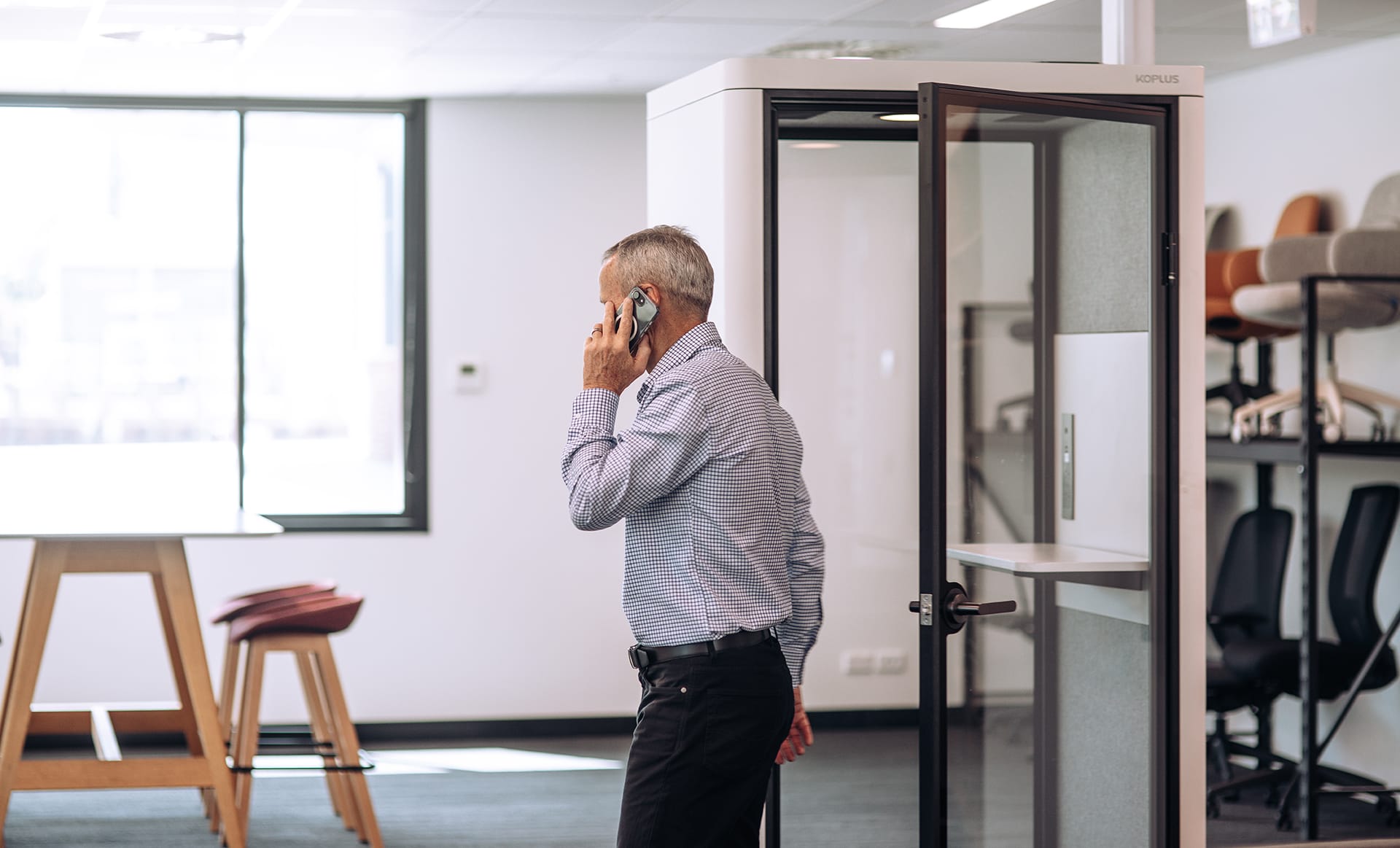
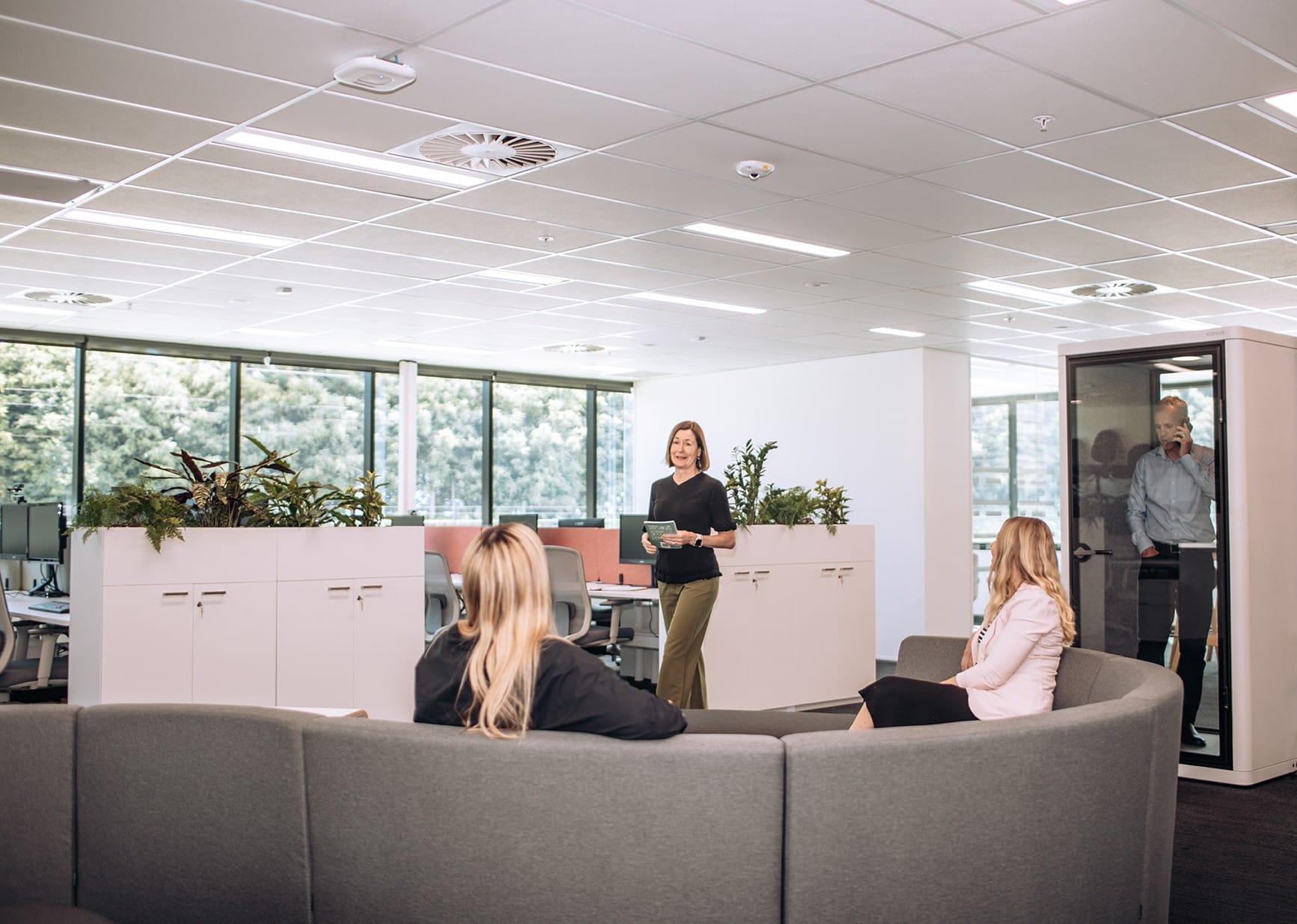
Koplus accoustic booths provide team members with soundproof pods and privacy, crucial in an open plan office.
7. Data-informed & future-proof fit-outs
Modern offices are now being designed with data, not guesswork. Workplace analytics and AI tools reveal how people actually use space, helping teams shape layouts that feel intuitive, efficient, and adaptable. This shift supports smarter decisions around zoning, capacity, and commercial furniture, creating fit-outs that evolve effortlessly as needs change. This approach could include:
- space-use analytics
- AI-powered design simulations
- flexible layouts that evolve with behavioural trends
- commercial furniture designed for long-term adaptability
Fit-outs are shifting from static investments to fluid environments that can adapt quickly and sustainably. Buro’s long-lasting, ergonomically adjustable seating supports this future-proofing, helping businesses reduce waste, increase lifespan, and support evolving work modes.
Planning an office fit-out?
As 2026 approaches, workplaces are becoming more adaptive, sustainable, and human. These office design trends are shaping the future of work across Australia.
Explore Buro’s commercial furniture solutions to build a workplace that’s ready for tomorrow. Thoughtful in design, adaptable in function, and built around the people who use it.