What should a modern workplace feel like? How should colour support focus and collaboration? And with so much of the working day spent on screens, where do texture and tactility come in?
Colour and materials are taking on a bigger role in workplace design, with choices increasingly shaped by what a space needs to support rather than simply how it looks.
We spoke to Mary-Jane (MJ) Copeland, Commercial Manager and Consultant at Warwick Fabrics NZ, about how colour and texture are being used in commercial interiors, the move towards more tactile workplaces, and what these shifts mean as more of our work happens digitally.
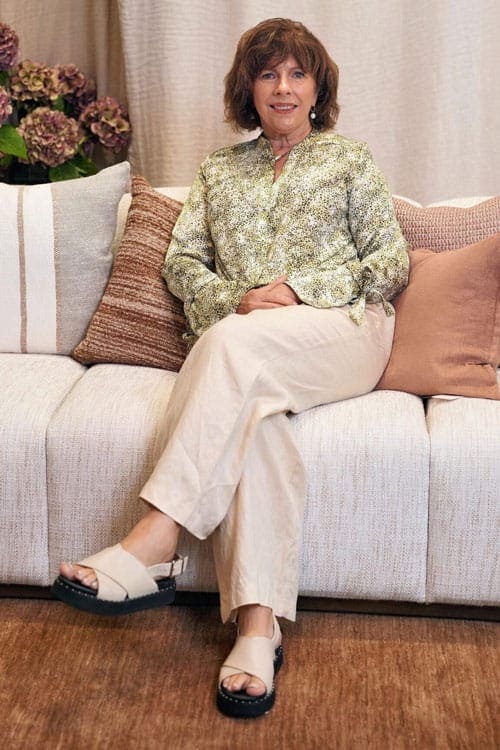
How is colour being used to support different ways of working?
Workplace colour is becoming more tailored to the role of each space.
“I think designers are more aware of addressing ‘How do we want people to feel in this space?’ and designing workplace areas accordingly while still considering brand identity,” says MJ Copeland.
That marks a shift from the more traditional approach, where workplace colour schemes often drew directly from company logos and carried those colours through carpet, upholstery, furniture and graphics.
Today, MJ says rather than following a set formula, the idea is to match the colour palette to the level of energy, calm or stimulation a space needs:
- Focus spaces:
soft greens, blue-greens, warm neutrals and desaturated blues - Collaboration areas:
slightly more energetic colours used in controlled amounts, such as deeper ochre, terracotta, muted yellow or blue - Social and breakout spaces:
stronger colour and more personality, reflecting their more stimulating, informal role.
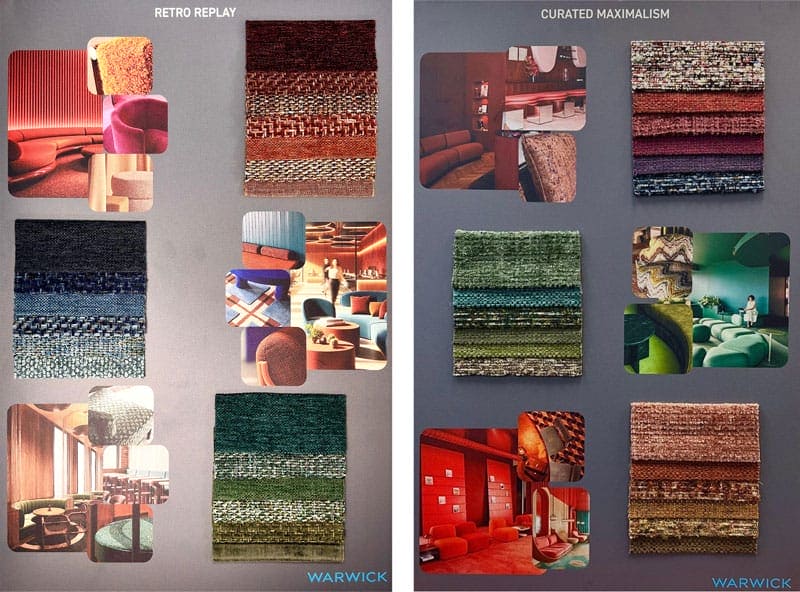
Two directions emerging through Warwick’s latest collections are Curated Maximalism and Retro Replay. Curated Maximalism brings together richer colour, texture and pattern in a more considered way, while Retro Replay revisits familiar tones, forms and tactile finishes through a contemporary lens.
The result is more scope for workplaces to feel individual and less visually uniform.
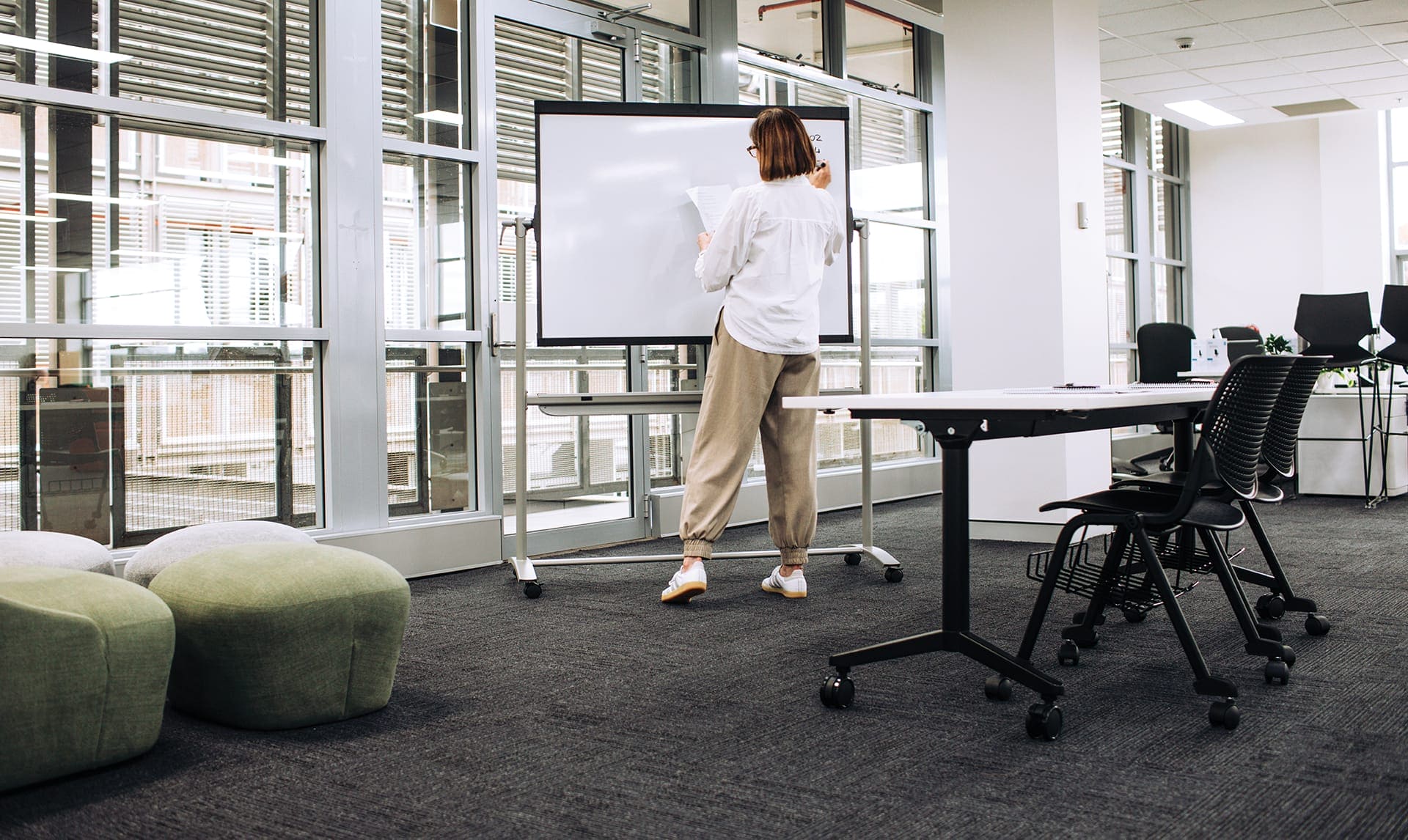
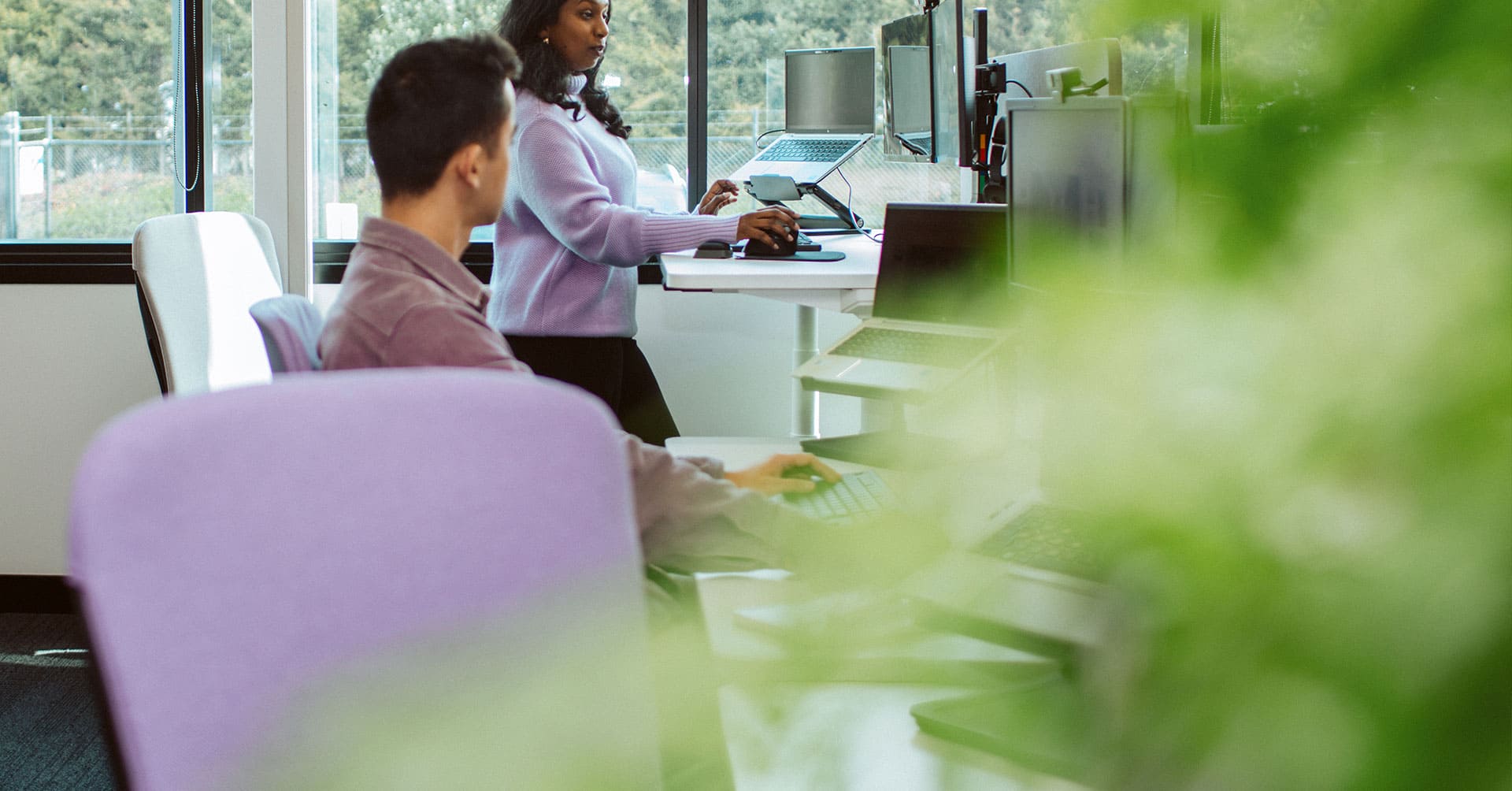
Furniture plays a part too, helping reinforce how each zone is meant to be used. Buro MyWorkSpace Flip Training Tables (featured) and Buro MyWorkSpace A Frame High Training Tables, for example, can support collaborative and shared settings, while Buro Syntra height adjustable desks provide a more defined base for focused work.
Why are more workplaces embracing sensory design?
As more of the working day moves onto screens, the physical workplace has an important role to play in supporting workplace wellbeing — offering texture, softness and sensory variety that digital environments can’t.
“The workplace is becoming visually dominated by flat digital information — screens, glass, desks etc,” says MJ. “Textures and finishes and other products provide tactility, a more sensory experience, and a welcome respite from digital overload.”
After hours spent looking at screens, soft upholstery, richly textured finishes and varied materials can offer a very different kind of experience.
“Sitting and touching a beautiful fabric or being around finishes that are more tactile can be restorative and calming,” says MJ.
What textures are designers using in modern workplaces?
Designers are drawing on a much broader mix of textural fabrics and finishes, combining residential appeal with the durability required in commercial settings.
“It is a definite trend that our commercial fabrics for workplaces have become far more textural and we are producing fabrics that have residential appeal but with all the commercial specifications,” says MJ.
That gives designers more freedom to create characterful spaces that still stand up to everyday use.
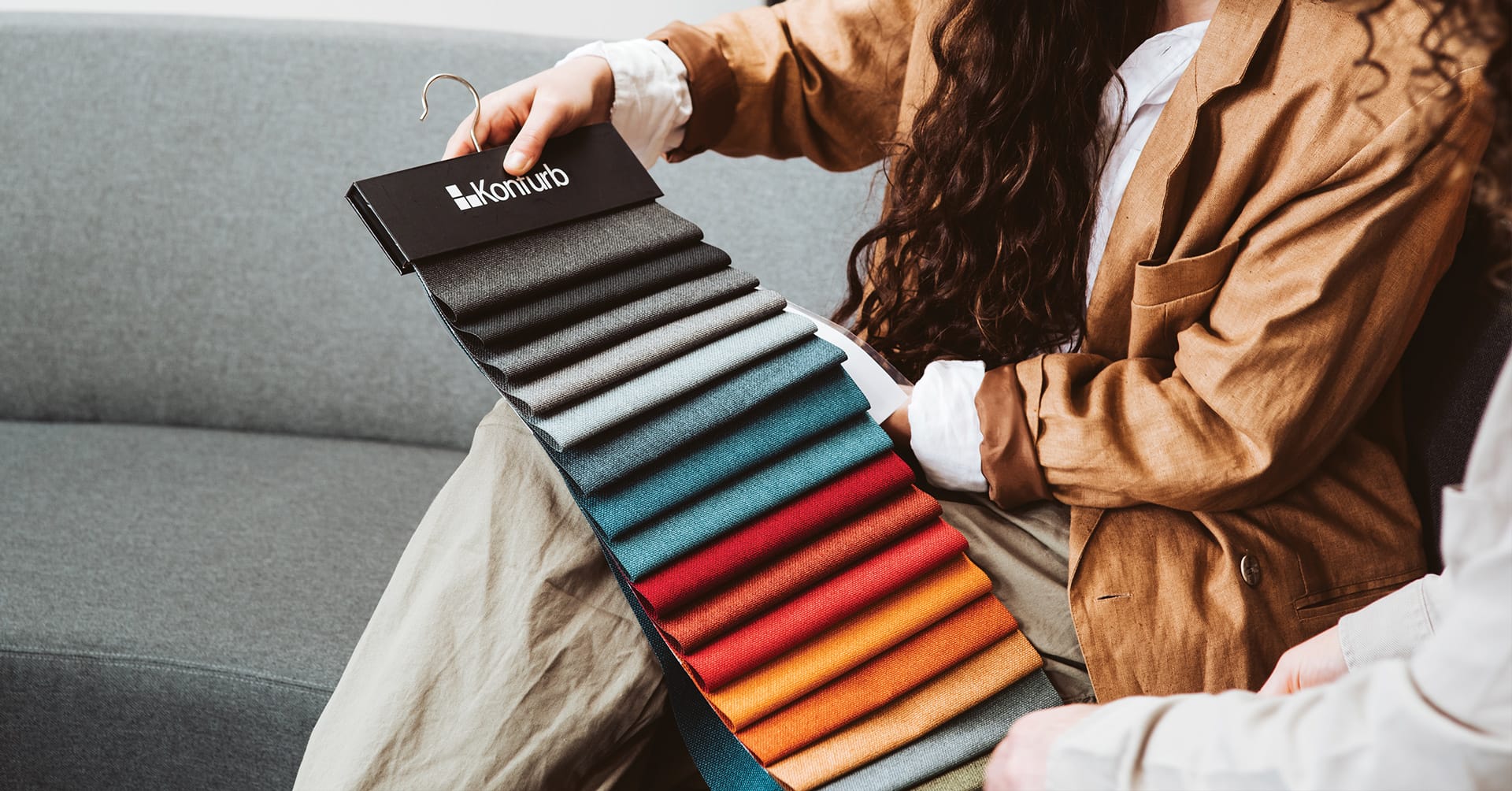
Some of the fabrics bringing that texture into workplaces include:
- Chenille
soft, slightly fuzzy yarn that gives fabric a plush, tactile surface. - Bouclé
looped yarns that create a textured, nubby finish. - Velvet
a dense, soft pile with a richer look and subtle changes in tone as the light moves across it. - Suede-like finishes
smooth, brushed surfaces that bring softness without the formality of leather. - Textured jacquards
woven fabrics with pattern and texture built into the construction rather than printed on top. - Slub linens
fabrics with intentionally uneven yarns that create a more natural, irregular texture.
These different constructions don’t just change how a fabric feels. They also affect how colour is experienced, introducing tonal variation, light and shadow.
There’s a performance side to this too. MJ points to Warwick’s Sundec range, which often uses recycled olefin yarns to create fabrics with the look and texture of indoor upholstery, but with specifications suited to spaces exposed to strong sunlight and UV.
“Textural fabrics are a welcome partner to other surfaces in workspaces, for example hard timber or stone, glass and metal, and they can definitely give the eye a softer visual effect,” says MJ.
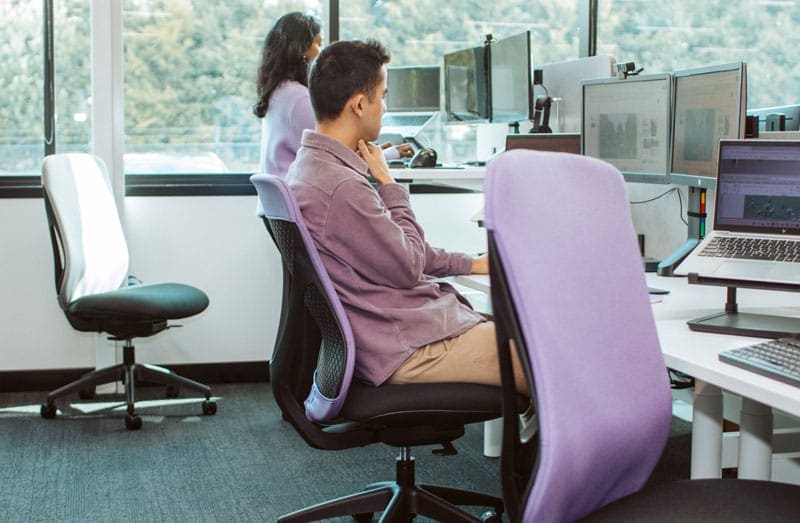
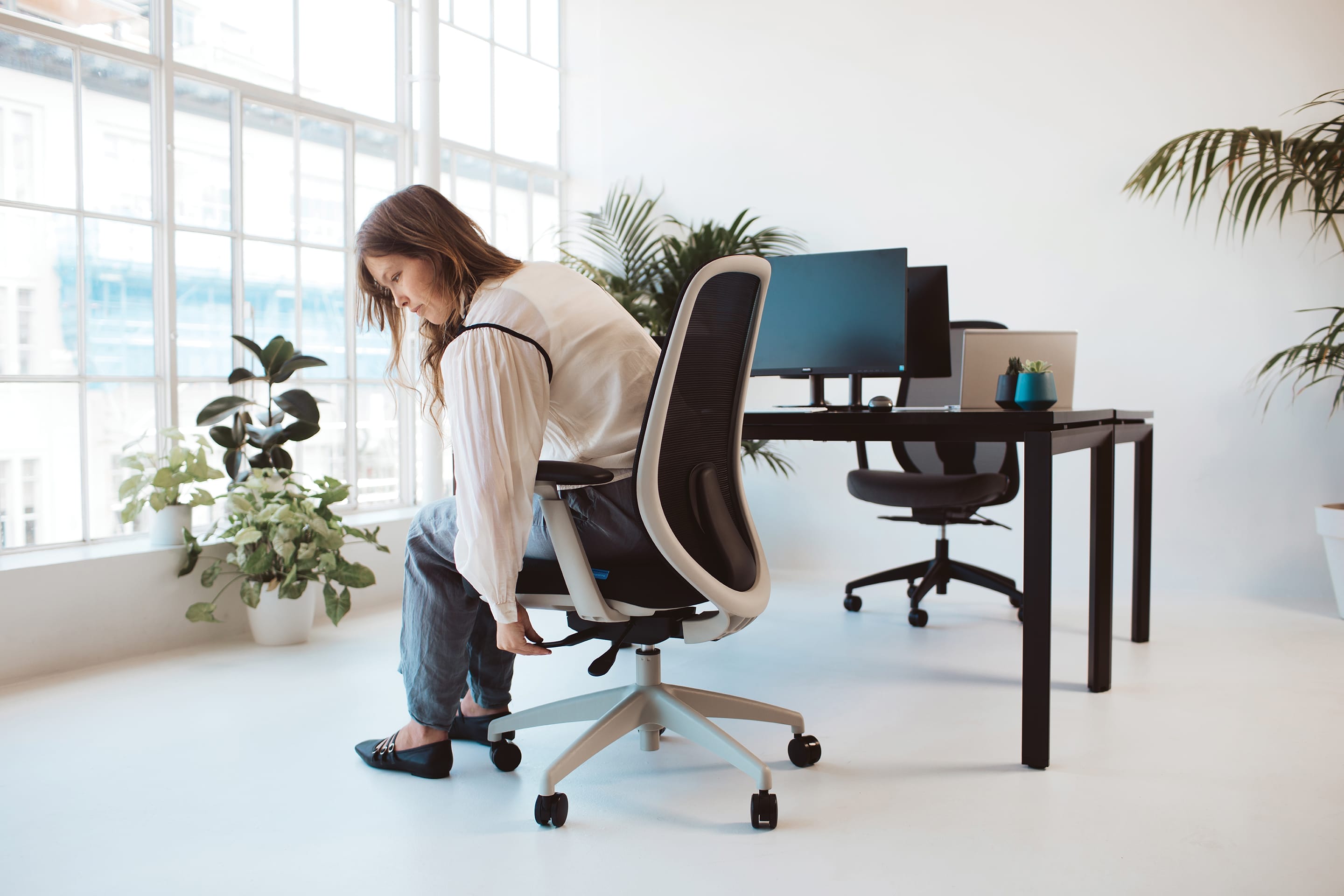
Buro Axon chairs with optional colour slips.
Can textiles support workplace acoustics too?
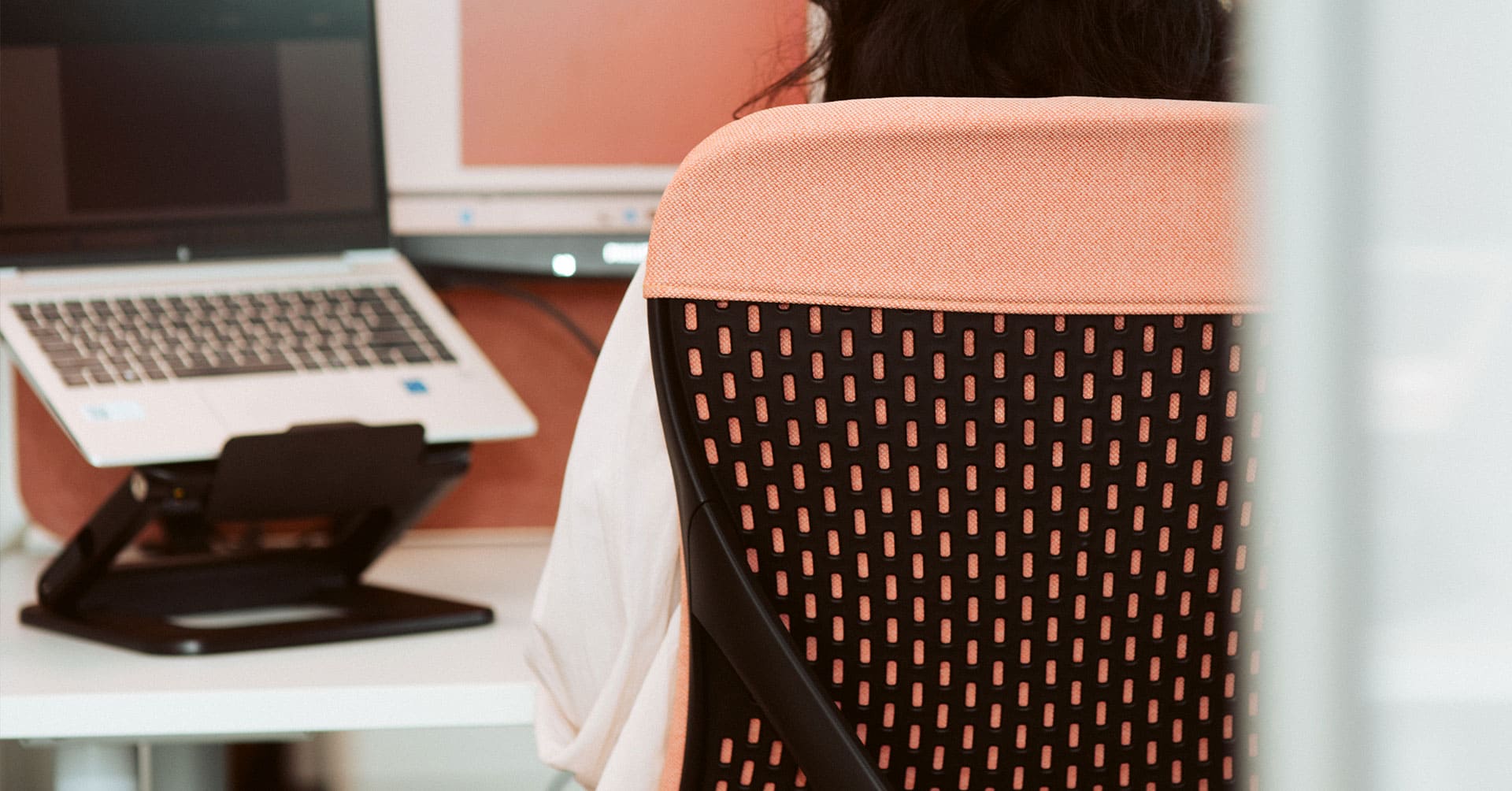
“Fabrics are not just about making a room appear softer. With the use of textiles for acoustic upholstery, wall panels, screens and also curtaining, they are contributing towards making the environment quieter and less mentally tiring,” says MJ.
That’s particularly useful in workplaces that need to support both collaboration and concentration.
“Think about workplace acoustics, colour and finishes together, and look for materials that can do more than one job — adding softness, helping define zones and contributing to a quieter environment,” she says.
What’s next for colour, texture and workplace design?
There will always be new colour and material trends, but the bigger shift is in how those choices are being made.
For designers and organisations, that means asking more specific questions:
- Does this space need to support concentration or conversation?
- Should it feel energising or restorative?
- How can colour, texture and materiality help shape that experience?
As work becomes more digital, the physical workplace has a different role to play. Colour can help signal purpose, while texture, tactility and acoustic materials can create a richer, more sensory environment.
The opportunity isn’t simply to make workplaces look better. It’s to think more carefully about how they feel to use.
Designing beyond the surface
The best workplaces bring colour, texture, acoustics, furniture and ergonomics together to support the people using them. Explore Buro’s Workplace Design Trends Report to better understand the full range of ideas behind the workplace.